
Apple Intelligence for HomeKit Secure Video: A Hands-On Comparison with Ring and Nest
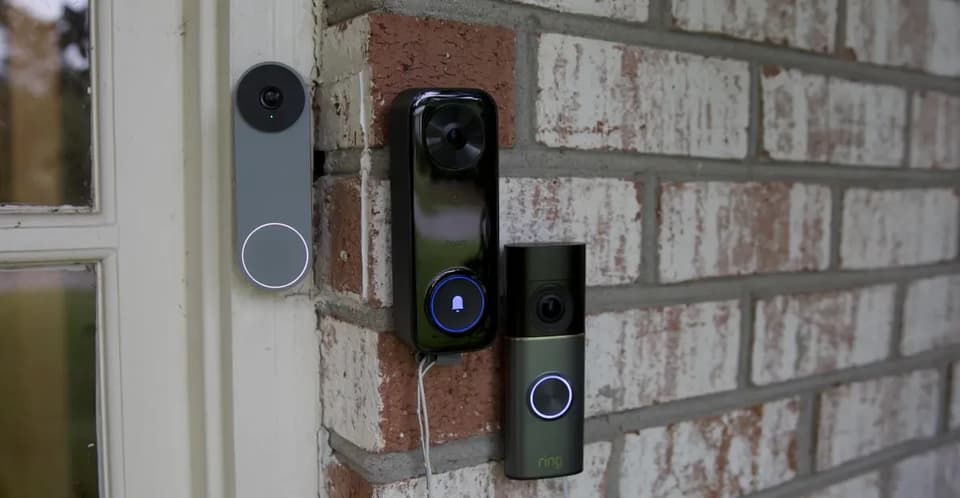
The Verge’s Jennifer Pattison Tuohy tested Apple’s new AI camera features against Amazon Ring and Google Nest, finding that AI-generated text descriptions now provide immediate scene context, unlike traditional 'motion detected' alerts that often require buffering video to understand the situation.
Key points
- Apple Intelligence has arrived on HomeKit Secure Video, offering AI-generated text descriptions that summarize camera activity instantly.
- The Verge tested three systems: Apple’s HomeKit (via Aqara G400), Google’s Nest Doorbell, and Amazon’s Ring Pro 4K.
- Traditional 'motion detected' notifications often fail to convey the nature of the event, whereas AI descriptions can identify specific actions, such as a dog chasing a chicken.
- Major security camera companies, including Ring, Google Nest, Blink, Wyze, and Arlo, now offer text descriptions powered by Vision Language Models.
- The article highlights how AI descriptions can arrive faster than video feeds, potentially allowing users to react to critical events before footage buffers.
Background
This development follows recent reports that Apple is charging up to $60 a month for Apple Intelligence features on HomeKit cameras and rumors of a new Apple Home Hub (codenamed J490) that will serve as an AI-centric control center. Meanwhile, Google has opened its smart home platform to third-party AI agents via the Model Context Protocol, intensifying the competition for AI-driven home automation.
Why it matters
The shift from generic motion alerts to AI-generated text descriptions represents a significant upgrade in smart home security, allowing users to understand the context of an event immediately without waiting for video to load. This could lead to faster responses to threats or incidents, such as pets escaping or intruders entering a property.
What to watch
As AI features become standard across major security camera platforms, users may see further integration of these tools with broader smart home ecosystems, potentially including Apple’s upcoming Home Hub and Google’s expanded third-party AI agent support.
Want the full story? Read the original reporting
Read on The Verge