
Apple's new iPad mini offers OLED and durability but costs $200 more
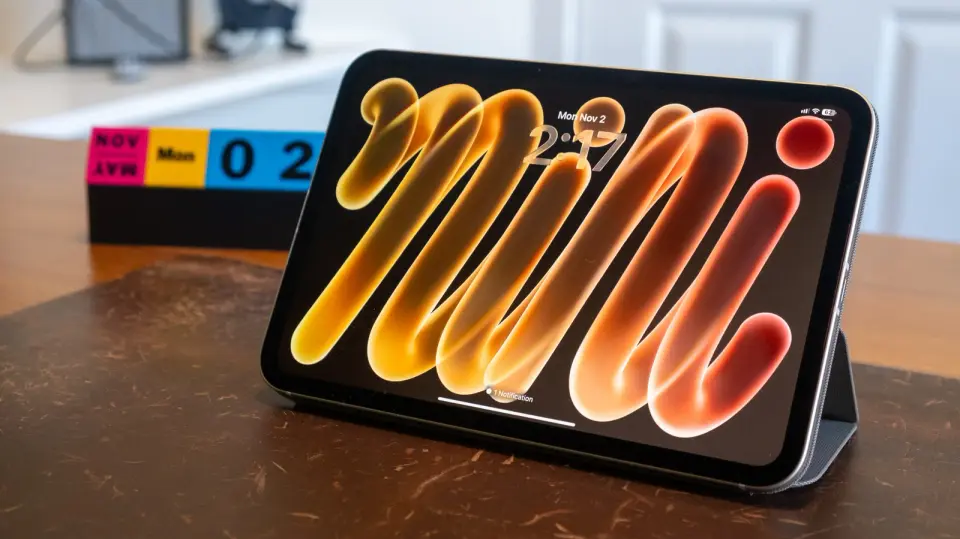
Apple has released the eighth-generation iPad mini, featuring a new 8.5-inch OLED display, IP67 water resistance, and the A20 Pro chip. While the device is thinner and lighter than its predecessor, the starting price has increased by $200 to $699, raising questions about its value for mainstream consumers.
Key points
- The new iPad mini features an 8.5-inch OLED screen with 1,200 nits peak brightness, replacing the previous LCD panel.
- It is the first iPad to include IP67 dust and water resistance, achieved through a new acoustic display speaker system.
- The device is powered by the A20 Pro chip, which was also introduced in the iPhone 18 Pro and iPhone Duo.
- The starting price is $699 for 128GB of storage, which is $200 higher than the launch price of the 2024 model.
- The tablet retains a 60Hz refresh rate and lacks Face ID, relying instead on Touch ID in the power button.
Background
The iPad mini has historically received infrequent updates, often lagging behind other Apple tablets in feature parity. Previous models were criticized for retaining older chips and LCD screens for extended periods. Recent market trends have seen significant price increases for Apple devices due to rising component costs, including RAM, which affected the pricing of the 2024 model before this new release.
How outlets are covering it
Engadget and The Guardian both praise the new iPad mini's performance and the significant upgrade to an OLED display, noting that the device is thinner and lighter than the previous version. However, both outlets criticize the high price point, with Engadget noting the $200 increase from the previous launch price and The Guardian highlighting that it is now only $50 cheaper than the larger 11-inch iPad Air. Both reviewers agree that the 60Hz refresh rate is a notable omission, especially given that Apple has included 120Hz ProMotion displays in its standard iPhones and higher-end iPads. The Guardian also points out that the device lacks Face ID, a feature present in most other current iPads, while Engadget notes that the nano-texture glass option, which reduces glare, is only available on more expensive storage tiers.
Why it matters
The new iPad mini represents a significant shift in Apple's strategy for its smallest tablet, moving away from a budget-friendly option toward a premium, feature-rich device. The price increase and the inclusion of high-end features like OLED and water resistance suggest that Apple is positioning the iPad mini as a niche product for users who prioritize portability and display quality over cost. This move may alienate some consumers who previously considered the iPad mini as an affordable entry point into the iPad ecosystem, potentially pushing them toward the larger and more expensive iPad Air or iPad Pro models.
What to watch
The iPad mini is expected to be available for purchase starting November 6, 2026. Apple will likely continue to support the device with software updates for several years, given its recent chip upgrade. The company may also introduce new accessories or cases designed to take advantage of the new landscape camera placement and the device's improved durability. Consumers may see further price adjustments or promotions in the coming months, particularly during holiday sales events, as Apple attempts to drive adoption of the new model.
- iPad Mini (A20 Pro) Review: Apple's Tiny Tablet Gets A Big Update Engadget
- Apple iPad mini A20 Pro review: the best small tablet but with a big price The Guardian
- 2026 iPad mini review: Maximizing the mini Ars Technica
- OLED iPad Mini Reviewed: Different Now That the Duo’s Here CNET
- iPad Mini OLED Vs. iPad Mini: What's New? Engadget
Want the full story? Read the original reporting
Read on Engadget