
Macronix Exits ROM Production, Shifting Capacity to AI Data Centers
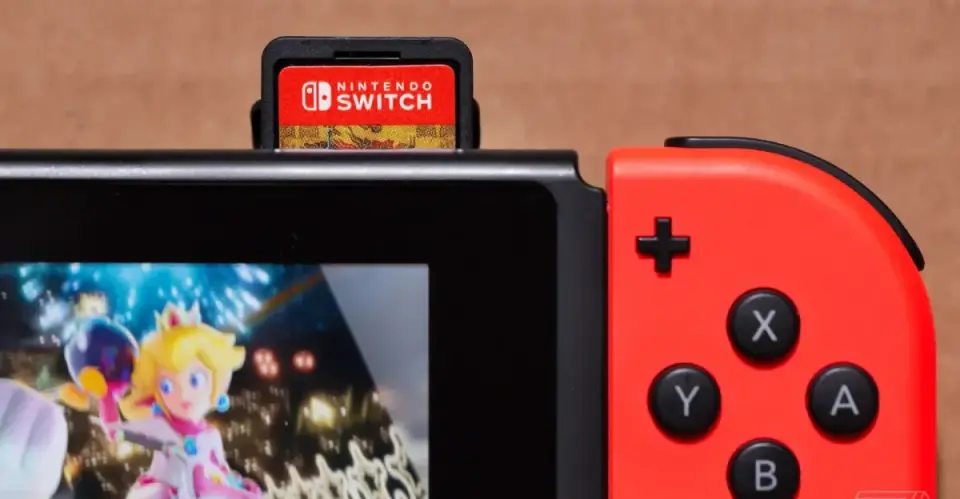
Macronix, a key supplier of ROM chips for Nintendo Switch cartridges, is phasing out its ROM business to focus on NOR and NAND flash memory for AI data centers. This move threatens the supply chain for physical game media, potentially driving up prices or accelerating the shift to digital-only distribution. While Nintendo retains other suppliers, the loss of its primary partner signals a broader industry trend where consumer electronics yield to high-margin data center demands.
Key points
- Macronix announced it is gradually phasing out ROM production, with Q3 2026 being the last quarter it reports ROM sales separately.
- The company’s ROM revenue fell 39% year-over-year in Q3 2026, while NOR flash revenue rose 158% and NAND memory revenue surged 768%.
- Macronix chairman Miin Wu stated that demand for NOR flash in data centers is robust, with customers demanding more capacity.
- Nintendo is not solely dependent on Macronix, as ROHM Semiconductor and LAPIS Semiconductor also supply ROM chips, but Macronix was the primary provider.
- Analysts suggest this may lead to higher prices for physical games or an increased reliance on Game-Key cards, which require digital downloads.
Background
This development follows a broader trend of memory manufacturers pivoting away from consumer electronics to serve AI data centers. In August 2026, Micron shut down its consumer RAM and SSD brand, Crucial, to meet AI demand. Nintendo has previously stated it has no plans to abandon physical games, with physical titles accounting for 38.5% of its game sales in August 2026. However, the company has already introduced a $10 premium for physical cards compared to digital versions, signaling potential cost pressures. The recent launch of the Zelda: Ocarina of Time remake on Switch 2 highlights the continued importance of physical media for major titles, even as supply chains tighten.
How outlets are covering it
The Verge and Taipei Times emphasize Macronix’s strategic shift toward high-demand data center memory, citing significant revenue growth in NOR and NAND sectors. Gizmodo and Tom’s Hardware focus on the implications for Nintendo, noting that while physical cards will likely continue, the loss of a primary supplier may force Nintendo to increase prices or prioritize digital sales. David Gibson of MST Financial, cited by multiple outlets, argues that the impact may not be immediate but will likely accelerate the industry’s move toward digital distribution. Tom’s Hardware also highlights the potential impact on MegaChips, a fabless design company that outsources manufacturing to Macronix, suggesting a ripple effect through the supply chain. Some commentators on Tom’s Hardware forums argue that this is a rational business decision driven by economics, while others criticize the prioritization of AI over consumer products.
Why it matters
The exit of a major ROM supplier underscores the vulnerability of physical game media in the face of AI-driven demand for memory chips. This could lead to higher costs for consumers, reduced availability of physical titles, and a faster transition to digital-only gaming. For Nintendo, which has maintained a commitment to physical games, this presents a significant challenge in balancing its traditional business model with market realities. The broader implications include potential price hikes for other consumer electronics and a shift in industry priorities away from consumer-focused products.
What to watch
Nintendo is expected to address the situation in its upcoming earnings call. Analysts will monitor whether Nintendo increases prices for physical games or shifts more aggressively toward Game-Key cards. The industry will also watch for any announcements from Macronix regarding the timeline for its full exit from ROM production and whether other suppliers can fill the gap. Additionally, the performance of MegaChips and other fabless companies in the supply chain will be closely observed for signs of disruption.
- Nintendo is losing a Switch cartridge supplier The Verge
- Nintendo’s biggest ROM chip supplier is bowing out of the business Ars Technica
- Nintendo’s Switch 2 Game Card Situation Just Became Dire Gizmodo
- Nintendo ROM chip supplier Macronix quits to focus on chips for AI data centers, reports indicate — Game-Key cards may increase as large game storage chips become more expensive Tom's Hardware
- Another Blow For Physical Media As Nintendo’s Switch Cartridge Chip Manufacturer Pivots To Data Centers Kotaku
Want the full story? Read the original reporting
Read on The Verge