
Nvidia hikes 2019-era Shield TV price by $100, blames AI-driven memory costs
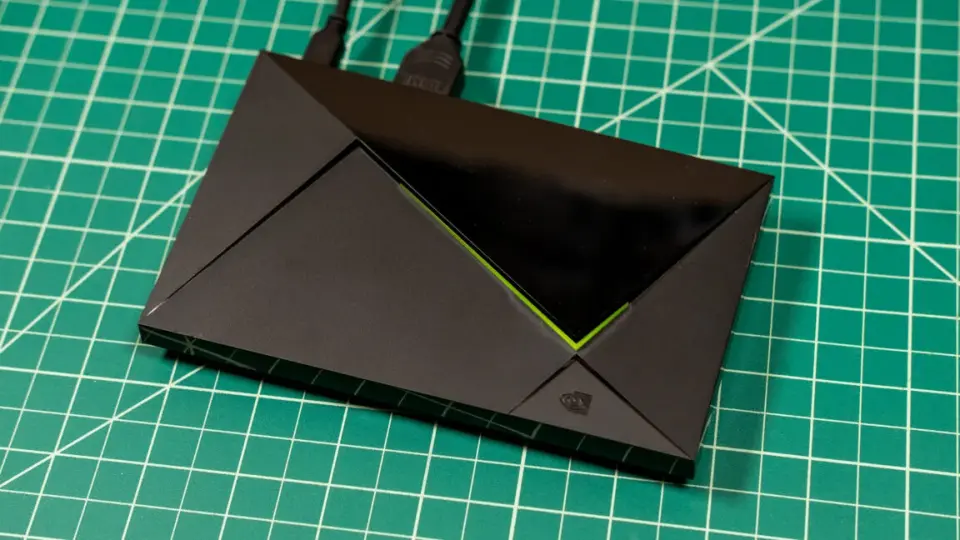
Nvidia has increased the price of its 2019-era Shield TV Pro streaming box by $100, raising it from $199.99 to $299.99, effective October 2, 2026. The company cites substantial increases in component costs, specifically memory and DRAM, driven by the AI boom. Nvidia has also discontinued the standard Shield TV model, focusing production solely on the Pro variant. While the device remains out of stock on Nvidia's website, it is available at Best Buy at the new price. This move highlights how AI-driven supply chain constraints are affecting even legacy hardware, with Nvidia acknowledging that its lack of pre-AI hardware stockpiles leaves it vulnerable to current market rates.
Key points
- Nvidia raised the Shield TV Pro price from $199.99 to $299.99 effective October 2, 2026.
- The company discontinued the standard Shield TV model, focusing production on the Pro variant.
- Nvidia attributes the price hike to substantial increases in component costs, including memory and DRAM, across the industry.
- The Shield TV Pro, launched in 2019, features a Tegra X1+ processor, 3GB of memory, and up to 16GB of storage.
- Nvidia's spokesperson confirmed that the lack of pre-AI hardware stockpiles makes the device subject to current supply chain constraints.
- The device is currently out of stock on Nvidia's website but available at Best Buy at the new price.
Background
Nvidia's Shield TV has been a niche but popular streaming box since its 2019 launch, known for its robust codec support and Plex server capabilities. The company had previously described the Shield as a 'passion project' in an interview with Ars Technica earlier in 2026. The current price hike is part of a broader trend in the tech industry where AI-driven demand for memory and components is driving up prices across various consumer electronics, including game consoles from Nintendo, Microsoft, and Sony. Nvidia's dominance in AI accelerators and GPUs has made it one of the most valuable firms in the world, but it also makes it more responsible for the sky-high cost of components, as noted by Ars Technica.
How outlets are covering it
Ars Technica emphasizes the irony of a 7-year-old device becoming more expensive due to AI, highlighting Nvidia's role in the AI boom and its lack of pre-AI hardware stockpiles. Wccftech focuses on the technical details, noting the discontinuation of the standard Shield TV and the specific component cost increases, particularly DRAM. FlatpanelsHD reports on the global stock shortage, noting that Nvidia has dismissed rumors of discontinuation, stating the device is 'out of stock due to demand.' FlatpanelsHD also points out that Nvidia Shield is the only streaming box that has not increased in price due to the component shortage, unlike Apple TV, Fire TV, Roku, and Google TV Streamer. However, the recent price hike contradicts this earlier observation, suggesting a shift in Nvidia's strategy or a change in market conditions.
Why it matters
The price hike of the Nvidia Shield TV Pro underscores the broader impact of AI-driven supply chain constraints on consumer electronics. It highlights how even legacy hardware is subject to current market rates, with companies like Nvidia facing challenges in maintaining price stability due to the lack of pre-AI hardware stockpiles. This move may affect consumer demand for the Shield TV, as it becomes less appealing to those seeking a budget-friendly streaming solution. Additionally, it reflects the ongoing tension between AI-driven demand for components and the cost of consumer electronics, which could have implications for other tech companies and consumers alike.
What to watch
Nvidia is expected to continue producing the Shield TV Pro at the new price, with the hope that the higher price will make it more economically viable to manufacture. The company may also consider new hardware with AV1, HDR10+, and expanded Dolby Vision support, as mentioned earlier in 2026. Consumers may need to look for alternative streaming solutions, as the Shield TV becomes less affordable. The broader tech industry may continue to face supply chain constraints, with AI-driven demand for components driving up prices across various consumer electronics.
- The 7-year-old Nvidia Shield TV is now $100 more expensive thanks to AI Ars Technica
- NVIDIA Axes The Standard Shield TV And Hikes Shield TV Pro By $100 To $299, Blaming Rising DRAM Costs Wccftech
- Nvidia Shield sold out worldwide but hope lives on FlatpanelsHD
- Nvidia Shield TV Pro is now $299 – a $100 price hike seven years after the Android TV box launched 9to5Google
- Not even the NVIDIA Shield TV Pro is safe from a huge price hike Android Authority
Want the full story? Read the original reporting
Read on Ars Technica