
Rabbit Launches OS3: A Cross-Platform AI Agent That Bypasses the R1 Hardware
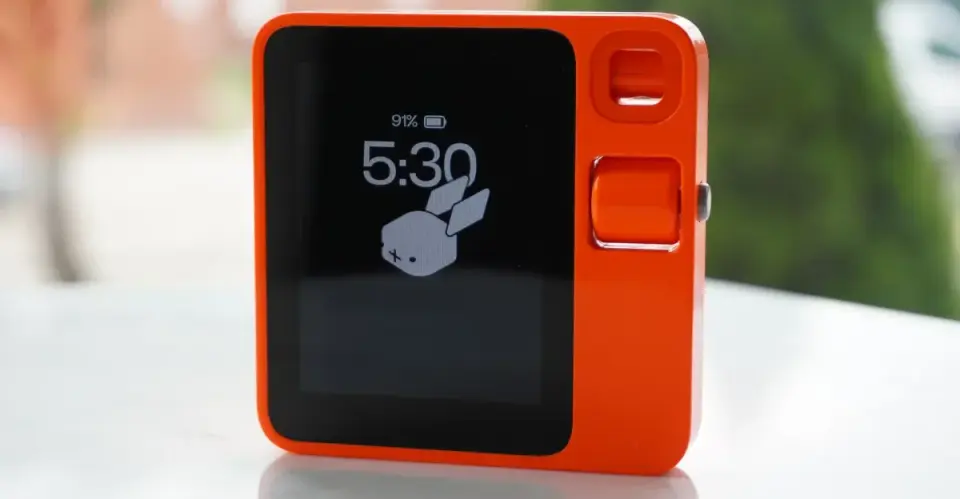
Rabbit has released OS3, a standalone agentic operating system that runs on Windows, Mac, and Linux without requiring its previous R1 hardware. The software-first pivot allows users to connect up to five devices via a single chat interface, using their own AI model keys. While the R1 is no longer manufactured, Rabbit is developing a new 'cyberdeck' hardware device to run OS3 in the coming months.
Key points
- OS3 is a cloud-based agent that operates locally on user devices, supporting Windows, Mac, and Linux.
- The system uses a 'Bring Your Own Key' model, allowing users to connect their own AI providers without a subscription fee.
- Rabbit has stopped manufacturing the R1 device but is developing a new 'cyberdeck' hardware unit to run OS3.
- The interface is a single continuous chat stream that automatically determines which device and model are needed for a task.
- Rabbit claims OS3 will not store or sell user data, though chat memories remain on its servers.
Background
Rabbit initially gained attention in 2024 with the R1 device, a dedicated AI hardware gadget that received poor reviews for its limited functionality. The company faced financial strain and a small team size of 15 employees. This launch of OS3 represents a strategic shift from hardware-centric AI to software-based agents, aligning with the broader industry trend of agentic AI systems that operate across existing digital ecosystems rather than requiring new physical devices.
How outlets are covering it
WIRED emphasizes the strategic pivot, noting that Rabbit is abandoning its hardware-first philosophy to compete in the crowded software agent market. The outlet highlights that the R1 was financially successful despite poor reviews, with over 100,000 units sold. The Verge focuses on the technical accessibility of OS3, highlighting its ability to run across multiple operating systems and messaging apps like Telegram. Geeky Gadgets provides background on the R1's previous struggles with bugs and security, suggesting that OS3 may address these issues through better integration with external AI models. tbreak.com notes the lack of subscription fees and the open nature of the platform, allowing users to swap models without losing context.
Why it matters
This move signals a significant shift in the AI hardware market, where companies are increasingly prioritizing software integration over dedicated devices. By allowing users to use their own AI models and existing devices, Rabbit is attempting to overcome the limitations of its previous hardware while competing with major tech giants offering similar agentic capabilities. The success of OS3 could determine whether dedicated AI hardware remains a viable business model or if software-based agents will dominate the market.
What to watch
Rabbit plans to launch a new 'cyberdeck' hardware device within months that will run OS3. The company will likely continue to refine the OS3 software based on user feedback from its existing community. The success of this software-first approach will depend on how well it handles complex tasks and permissions across different devices and AI models.
- Rabbit’s new AI agent doesn’t need an R1 to run The Verge
- Rabbit Is Back, This Time With an AI Agent App WIRED
- rabbit Unveils OS3: The Agentic Operating System for Every Device Morningstar
- Rabbit R1 Gains Open Claw and Hermes AI in Recent Updates Geeky Gadgets
- Rabbit launches OS3, a cross-platform AI agent app tbreak.com
Want the full story? Read the original reporting
Read on The Verge