
Samsung Begins Exynos 2700 Mass Production as Galaxy S27 Components Roll Out
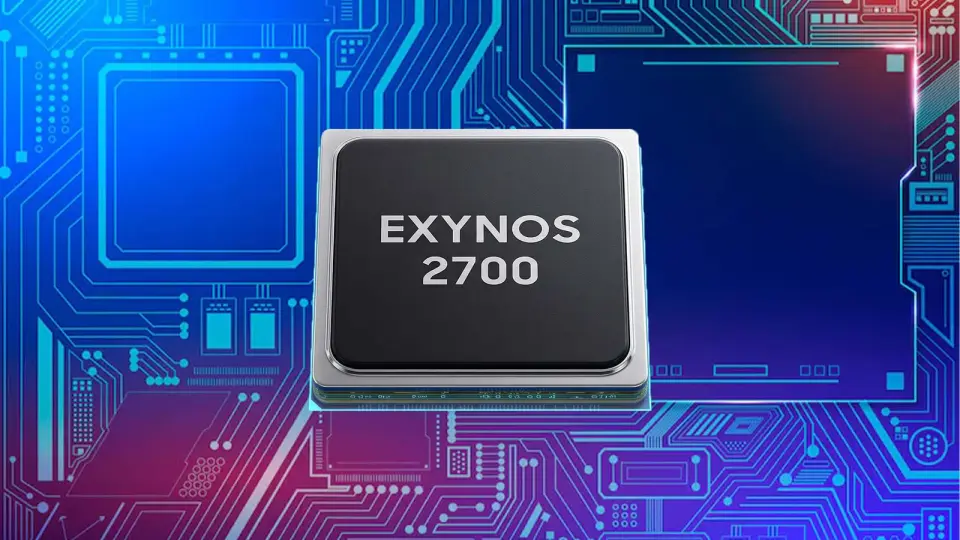
Samsung has entered mass production for its Exynos 2700 chipset, with initial volumes 10% higher than the previous generation. Internal tests suggest the chip outperforms the Snapdragon 8 Elite Extreme Gen 6 in multi-core benchmarks by approximately 9.5%. Concurrently, component production has begun for all four models of the upcoming Galaxy S27 series, which is expected to launch in early 2027. The Exynos 2700 utilizes Samsung’s SF2P 2nm process, while the competing Snapdragon chip uses TSMC’s N2P technology. Samsung is currently evaluating whether to use the Exynos chip in the Galaxy S27 Ultra, weighing performance against production costs and capacity.
Key points
- Exynos 2700 has entered front-end wafer mass production, with initial volumes 10% higher than the Exynos 2600.
- Internal tests indicate the Exynos 2700 is 9.5% faster than the Snapdragon 8 Elite Extreme Gen 6 in Geekbench 6 multi-core benchmarks, potentially due to a 4.00GHz target frequency.
- The Exynos 2700 uses Samsung’s SF2P 2nm process, while the Snapdragon 8 Elite Extreme Gen 6 uses TSMC’s N2P 2nm process.
- Component production has started for all four Galaxy S27 models (S27, S27+, S27 Pro, S27 Ultra), with broader production expected in mid-October 2026.
- Samsung is evaluating whether to use the Exynos 2700 in the Galaxy S27 Ultra, considering performance, thermals, cost, and production capacity.
- The Galaxy S27 series is expected to launch in early 2027, with the S27 Pro featuring a 6.47-inch display and specs similar to the Ultra.
Background
In September 2026, Qualcomm unveiled the Snapdragon 8 Elite Extreme Gen 6 and Snapdragon 8 Elite Gen 6 at the Snapdragon Summit, highlighting their 2nm process and advanced AI capabilities. Earlier reports indicated that Samsung might use these Qualcomm chips in the Galaxy S27 series, particularly for non-foldable models. The current mass production of the Exynos 2700 and the start of Galaxy S27 component production suggest Samsung is preparing for a potential dual-chip strategy or a shift toward its in-house silicon for top-tier models.
How outlets are covering it
Wccftech emphasizes the performance advantage of the Exynos 2700 over the Snapdragon 8 Elite Extreme Gen 6 in internal tests, noting a 9.5% lead in multi-core benchmarks. However, it cautions that power draw and other metrics are unknown. SammyGuru focuses on the broader production timeline for the Galaxy S27 series, confirming that component production has started for all four models and detailing display sizes and expected launch windows. While Wccftech highlights the competitive edge of Samsung’s in-house chip, SammyGuru provides context on the overall product lineup and market expectations, noting that Samsung is still evaluating the use of Exynos in the S27 Ultra due to cost and capacity considerations.
Why it matters
The mass production of the Exynos 2700 signals Samsung’s confidence in its 2nm SF2P process and its ability to compete with TSMC’s N2P technology. If the Exynos 2700 is adopted in the Galaxy S27 Ultra, it could reduce Samsung’s reliance on Qualcomm and lower costs, given the high price of TSMC’s 2nm wafers. The performance advantage in multi-core benchmarks could also enhance the device’s appeal for power users. However, the decision will depend on thermal performance, production capacity, and overall cost-effectiveness, which could impact the final product’s market positioning and consumer reception.
What to watch
Samsung is expected to announce the Exynos 2700 in December 2026 or earlier. The Galaxy S27 series is anticipated to launch in early 2027. Samsung will likely finalize its decision on using the Exynos 2700 in the Galaxy S27 Ultra based on ongoing evaluations of performance, thermals, and production viability. The broader production of Galaxy S27 components is expected to ramp up in mid-October 2026, with One UI 9.5 software development also underway.
- Exynos 2700 Enters Mass Production, Claims Tipster, 10% Higher Volume Than Exynos 2600 & 10% Higher Multi-Core Performance Than Snapdragon 8 Elite Extreme Gen 6 Wccftech
- Exynos 2700 enters mass production but Samsung is still unsure which chip the S27 Ultra should use SamMobile
- Samsung’s Galaxy S27 Series Enters Production Stage Ahead of Launch SammyGuru
- Samsung Electronics Starts Mass Production of Exynos 2700 With 10% Higher Volume thelec.net
- Samsung Just Started Mass Producing the Exynos 2700 for the Galaxy S27 Android Headlines
Want the full story? Read the original reporting
Read on Wccftech