
Surface Laptop Ultra Targets MacBook Pro with Nvidia Power and Magnetic Charging
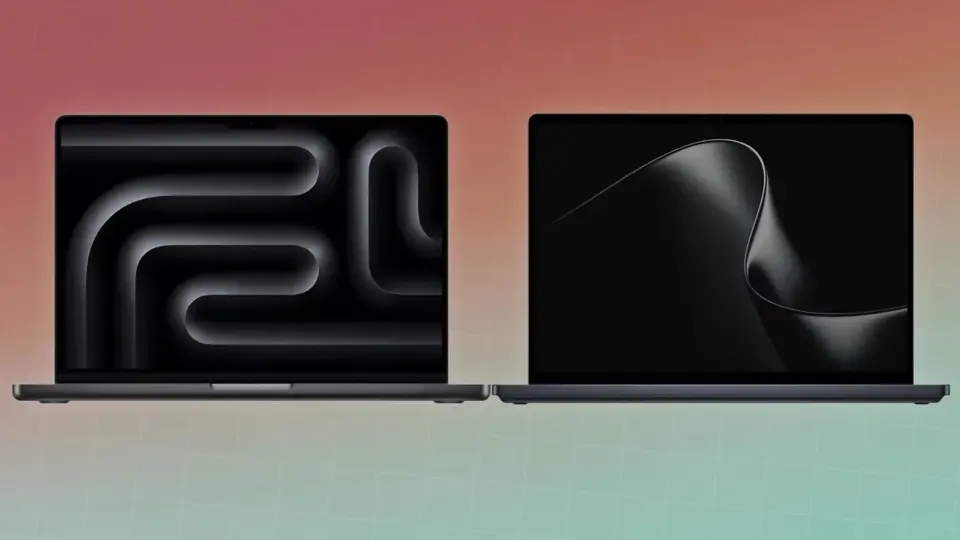
Microsoft launched the Surface Laptop Ultra on October 16, 2026, positioning it as a direct competitor to the Apple 14-inch MacBook Pro M5. Priced at $2,599, the device features the Nvidia RTX Spark Superchip, up to 128GB of unified memory, and a new 'Magnetic Connect' USB-C charging port. While Microsoft offers up to $1,000 in trade-in cash back for MacBook Pro owners, Apple retains advantages in battery life, software stability, and benchmark performance. The launch coincides with Windows 11 updates emphasizing local AI agents and 'Hybrid Intelligence.'
Key points
- The Surface Laptop Ultra starts at $2,599, slightly higher than the $2,499 base price of the 14-inch MacBook Pro M5.
- It utilizes the Nvidia RTX Spark Superchip, offering up to 6,144 GPU cores and 128GB of unified memory for local AI tasks.
- Microsoft introduced 'Magnetic Connect,' a proprietary magnetic USB-C charging solution that frees up port space, unlike Apple's proprietary MagSafe.
- Apple’s MacBook Pro leads in single-core and multi-core benchmarks, with the M5 Pro outperforming the equivalent Nvidia chip in Geekbench tests.
- Microsoft is offering up to $1,000 in cash back for customers trading in eligible MacBook Pro devices to switch to Surface.
Background
Microsoft has long positioned its Surface line against Apple’s MacBook and iPad ecosystems. Recent archive coverage from October 2026 highlights a strategic shift toward 'Hybrid Intelligence,' focusing on local AI processing rather than cloud dependency. Previous reports noted consumer preference for Apple’s ecosystem due to software stability, despite Microsoft’s aggressive hardware upgrades. The current launch follows a two-year gap in major live events for Microsoft, signaling a renewed focus on hardware innovation to counter Apple’s dominance in the premium laptop market.
How outlets are covering it
AppleInsider notes that while the Surface Laptop Ultra is a capable device, the M5 Pro MacBook Pro still leads in raw performance benchmarks and battery efficiency. They argue that Microsoft’s current advantage lies in AI-specific workflows and touch display support, but Apple’s ecosystem remains more reliable for general productivity. Windows Blog emphasizes the device’s potential for creators and developers, highlighting the 'Magnetic Connect' feature and the ability to run large AI models locally without cloud reliance. Ars Technica focuses on the broader Windows 11 changes, including the Copilot overhaul and 'Microsoft Execution Containers' for securing AI agents, suggesting that the hardware is part of a larger software strategy. Engadget highlights the technical distinction of Magnetic Connect as a non-proprietary USB-C solution, contrasting it with Apple’s MagSafe, and notes Microsoft’s openness to industry adoption of the standard.
Why it matters
This launch marks a significant escalation in the premium laptop market, with Microsoft leveraging Nvidia’s AI capabilities to challenge Apple’s dominance. The introduction of local AI processing and new charging standards could shift industry norms, potentially forcing competitors to adopt similar features. For consumers, the choice now hinges on whether they prioritize AI-specific performance and Windows integration or Apple’s established ecosystem and battery efficiency.
What to watch
Microsoft expects the Surface Laptop Ultra to drive adoption of its 'Hybrid Intelligence' strategy, with further Windows 11 updates planned for late 2026. Apple may respond by enhancing its AI features or adjusting pricing, given current discounts on the MacBook Pro. The long-term impact will depend on how well Microsoft’s local AI ecosystem matures and whether third-party manufacturers adopt the Magnetic Connect standard.
- M5 Pro MacBook Pro vs Microsoft Surface Laptop Ultra: Compared AppleInsider
- Pre-order our most powerful Surface devices ever | Microsoft Devices Blog Windows Blog
- Microsoft brings more AI to PCs as it challenges Apple Reuters
- Microsoft event debuts new AI-friendly hardware and Windows changes Ars Technica
- How Is Microsoft's Magnetic Connect Different From Apple's MagSafe For MacBooks? Engadget
Want the full story? Read the original reporting
Read on AppleInsider