
Lone Juror in Lindsay Clancy Trial Denies Doubts, Defying Fellow Jurors' Accounts
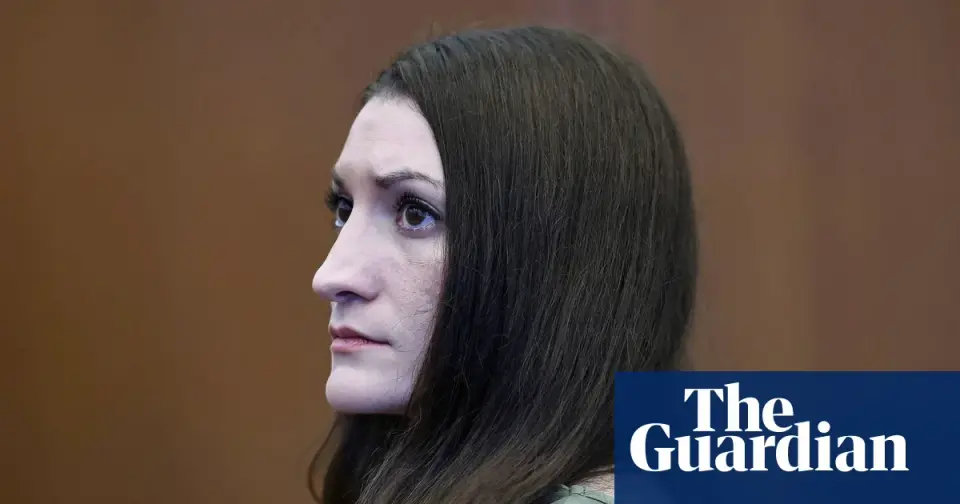
The lone holdout juror in the Lindsay Clancy murder trial, Michael P. Desronvil, has publicly stated he had no doubts about Clancy’s guilt, contradicting accounts from other jurors who claimed he expressed reasonable doubt but refused to acquit. Clancy, a former nurse who strangled her three children in 2023, faces a potential retrial after a mistrial ended her first trial. Desronvil’s statement, released via his attorney, asserts that physical evidence and witness testimony proved Clancy planned the murders, while fellow jurors described him as arrogant and unresponsive to their arguments. The case has sparked national debate over maternal mental health and the insanity defense, with legal analysts questioning the feasibility of securing a unanimous conviction in a retrial.
Key points
- Michael P. Desronvil, the 48-year-old lone holdout juror, stated in a NewsNation interview that he had no doubts during deliberations and believed the prosecution’s evidence proved Clancy acted with intent.
- Fellow jurors, including foreperson Roni Carlson, claimed Desronvil admitted reasonable doubt but refused to join the 11-1 majority in finding Clancy not guilty by reason of insanity, leading to a mistrial after 40 hours of deliberation.
- Desronvil’s attorney, Edward Andrew Paltzik, defended his client as an 'American hero' and warned against harassment, while Desronvil’s personal legal issues, including a 2021 domestic violence charge and active restraining order, have raised questions about jury selection.
- Plymouth County District Attorney Timothy Cruz has not yet decided whether to retry Clancy, while defense attorney Kevin Reddington has requested a jury sequestration in any new trial and filed a motion for a not-guilty finding based on lack of criminal responsibility.
- Legal analyst Jonathan Turley noted the difficulty of securing a unanimous conviction in Massachusetts, where jurors must prove beyond a reasonable doubt that the defendant did not suffer from a mental disease or defect at the time of the offense.
Background
The Lindsay Clancy trial, which began in August 2026, centered on whether Clancy, a former labor and delivery nurse, was suffering from postpartum psychosis when she strangled her three children—Cora, 5; Dawson, 3; and Callan, 8 months—in January 2023. Clancy, who is paralyzed from a suicide attempt following the murders, pleaded not guilty by reason of insanity. The trial, which lasted nearly six weeks, drew national attention to gaps in maternal mental health care. Earlier coverage highlighted the holdout juror’s fixation on blood evidence in Clancy’s bedroom and the emotional impact of a 911 call played during deliberations. The mistrial, declared on September 4, 2026, followed 40 hours of deliberation over seven days, with the jury deadlocked 11-1.
How outlets are covering it
The Guardian and Fox News reported Desronvil’s statement as a direct contradiction of fellow jurors’ accounts, emphasizing his claim that he was 'cut off' during deliberations. ABC News highlighted the legal standard in Massachusetts, noting that jurors must prove beyond a reasonable doubt that the defendant did not suffer from a mental disease or defect. Fox News contributor Jonathan Turley questioned the feasibility of a retrial, arguing that prosecutors may face an 'uphill battle' in securing a unanimous conviction. The Boston Globe and NBC10 reported on Desronvil’s personal legal issues, including a 2021 domestic violence charge and an active civil restraining order, which raised questions about the jury selection process. Desronvil’s attorney, Edward Andrew Paltzik, defended his client as an 'American hero' and warned against harassment, while fellow jurors, including foreperson Roni Carlson, described Desronvil as 'arrogant' and unresponsive to their arguments.
Why it matters
The case underscores the complexities of the insanity defense and the challenges of securing a unanimous verdict in high-profile trials. Desronvil’s public statement has intensified debate over the role of individual jurors in the justice system and the potential for retrials in cases involving mental health defenses. The case also highlights systemic gaps in maternal mental health care, as Clancy’s defense argued she was suffering from postpartum psychosis at the time of the murders. The outcome of the retrial, if it occurs, could set a precedent for how courts handle cases involving mental illness and criminal responsibility.
What to watch
Judge William F. Sullivan has set a hearing for September 29, 2026, to determine next steps in the case. Plymouth County District Attorney Timothy Cruz has not yet decided whether to retry Clancy, while defense attorney Kevin Reddington has requested a jury sequestration in any new trial and filed a motion for a not-guilty finding based on lack of criminal responsibility. Legal analysts, including Jonathan Turley, have questioned the feasibility of securing a unanimous conviction in a retrial, noting the difficulty of persuading a Massachusetts jury to reject the insanity defense. The case remains in limbo as the court weighs the options for proceeding.
- Lone holdout juror in Lindsay Clancy murder trial speaks out The Guardian
- Holdout Juror in Lindsay Clancy Case Says He Didn’t Doubt Her Guilt The New York Times
- Lindsay Clancy's Holdout Juror Did What Jurors Are Supposed To Do (opinion) Yahoo
- Juror who blocked Lindsay Clancy verdict disputes fellow jurors' claims: report Fox News
- Holdout juror in Lindsay Clancy trial says he 'didn't have any doubts' during deliberations ABC News - Breaking News, Latest News and Videos
Want the full story? Read the original reporting
Read on The Guardian