
Newsom signs AB 2624, expanding address privacy protections for immigrant aid workers
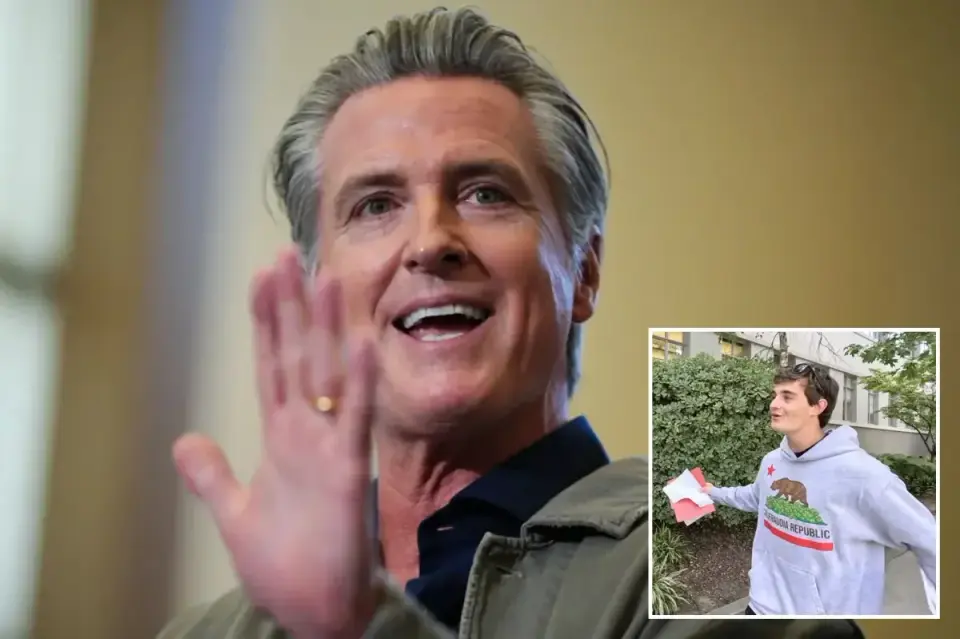
California Governor Gavin Newsom signed Assembly Bill 2624 into law on August 22, 2026, expanding the state’s Safe at Home program to include employees and volunteers of organizations that provide services to immigrants. The legislation, which takes effect on October 1, 2027, allows these individuals to register for substitute mailing addresses to protect them from harassment and violence. While supporters frame the measure as a necessary response to a surge in threats against humanitarian workers, critics, including Republican lawmakers, argue it is a tool to shield fraud and restrict independent journalism, a debate intensified by the viral videos of YouTuber Nick Shirley.
Key points
- Gov. Gavin Newsom signed AB 2624 into law on August 22, 2026, without issuing a public statement on the measure.
- The bill expands the existing Safe at Home program, which currently protects domestic violence survivors and healthcare workers, to include staff and volunteers at nonprofit organizations, legal clinics, and healthcare facilities serving immigrants.
- To qualify, applicants must document a threat within the past year and register with the Secretary of State to receive a substitute address for public records.
- The legislation prohibits the public posting of a participant’s personal information or image online with the specific intent to incite imminent great bodily harm or create a reasonable fear for safety.
- The bill passed the California Senate 30-10 and the Assembly 59-19 before reaching Newsom’s desk.
- The law is scheduled to take effect on October 1, 2027.
Background
The debate over AB 2624 emerged in the context of a broader political clash in California regarding immigration and transparency. In February 2026, Gov. Newsom described Somali daycare providers in Minnesota as being 'under siege' following the viral success of videos produced by independent journalist Nick Shirley. Shirley’s content, which alleged fraud in immigrant communities and hospice care, triggered federal actions, including a freeze on federal childcare funding in Minnesota and a large-scale ICE operation in St. Paul and Minneapolis. The controversy extended to California, where Shirley posted videos alleging over $172 billion in fraud at San Diego hospice centers, sparking a federal investigation. This heightened scrutiny of immigrant-serving organizations led to increased reports of harassment and doxxing against their staff, prompting Assemblywoman Mia Bonta to introduce the bill in February 2026.
How outlets are covering it
Supporters, including Assemblywoman Mia Bonta and Sen. Lena Gonzalez, argue that AB 2624 is a necessary response to a wave of coordinated online doxxing and death threats targeting humanitarian workers. Bonta stated that the bill is 'fundamentally about freedom' and does not conflate legitimate journalism with the targeted harassment the law aims to prevent. She emphasized that the measure is narrowly focused on preventing the misuse of personal information to incite violence. In contrast, critics, including Assemblyman Carl DeMaio and Sen. Tony Strickland, labeled the measure the 'Stop Nick Shirley Act,' arguing it would restrict citizen journalists from investigating and exposing fraud. DeMaio claimed the bill would stop journalists from recording evidence of fraud, while Strickland predicted it would be challenged in court for violating the First Amendment. A third perspective, from the Foundation for Individual Rights and Expression, warned that similar laws have been used to bar journalists from publishing newsworthy information, such as a police official’s home address, raising concerns about the chilling effect on press freedom. The controversy was further complicated by an incident on August 19, 2026, when Terry Schanz, chief of staff to Assemblywoman Tina McKinnor, allegedly interrupted a sidewalk interview with Nick Shirley outside the California State Capitol, holding a flyer with a crude personal insult, an act that drew complaints and scrutiny from the legislature’s HR department.
Why it matters
The signing of AB 2624 represents a significant expansion of state-level privacy protections, setting a precedent for how California balances the safety of vulnerable workers against the public’s right to information and the press’s right to investigate. The law’s effectiveness and legal durability will be tested by its implementation in 2027 and potential First Amendment challenges. The intense political opposition and the personal attacks surrounding the debate highlight the deep polarization in California over immigration, transparency, and the role of independent media. The outcome of this legislative fight will influence future debates on privacy laws and the boundaries of public scrutiny in other states and on the federal level.
What to watch
The primary next step is the implementation of the program on October 1, 2027, when the Secretary of State will begin accepting applications for the substitute address program. In the interim, the bill is likely to face legal challenges from opponents who argue it violates the First Amendment, as predicted by Sen. Tony Strickland. The California Legislature’s HR department is expected to review the complaints filed against Terry Schanz regarding his conduct during the August 19 incident. The political fallout from the bill’s passage may also influence future legislative debates on transparency and privacy in California, particularly as the state navigates ongoing disputes with the federal government over immigration enforcement and fraud investigations.
- Gavin Newsom signs controversial ‘Stop Nick Shirley Act’ into law New York Post
- Newsom signs bill shielding immigrant aid workers’ home addresses Los Angeles Times
- Newsom signs immigrant protection bill derided by GOP as the ‘Stop Nick Shirley Act’ San Francisco Chronicle
- Carl Demaio on the California Assembly passing a bill dubbed the ‘The Stop Nick Shirley Act’ Yahoo
- Immigrant services privacy bill — so-called ‘Stop Nick Shirley Act’ — sent to Newsom Sacramento Bee
Want the full story? Read the original reporting
Read on New York Post