
Christa Pike returns to Tennessee prison after surviving botched execution
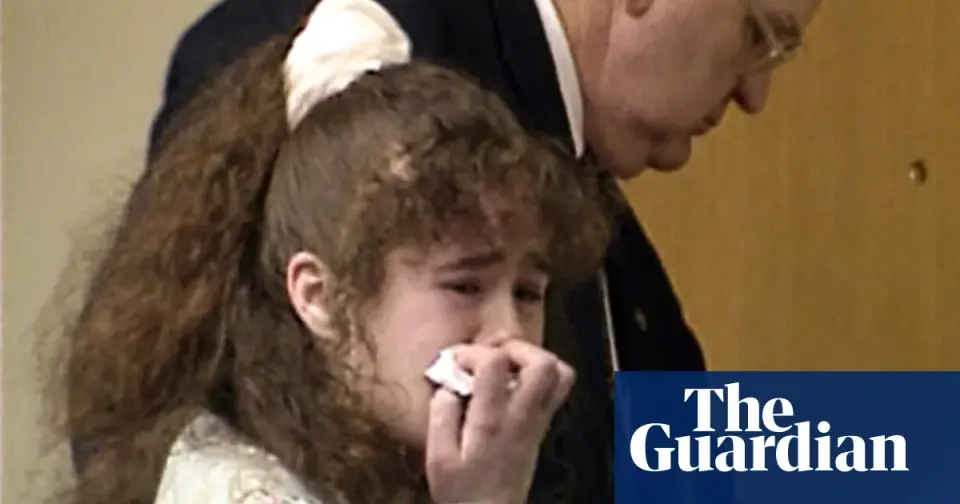
Christa Pike, 50, has been discharged from a hospital and returned to the Debra K. Johnson Rehabilitation Center in Tennessee after surviving a failed lethal injection attempt on September 30. Her attorneys confirmed she is receiving ongoing medical care at the prison, where she has been housed for three decades. The incident, which involved two doses of pentobarbital, led to Pike being declared brain dead before she unexpectedly regained consciousness. Governor Bill Lee has paused executions in the state for the remainder of 2026 and ordered an independent review of the failed procedure.
Key points
- Pike was discharged from the hospital and returned to the Debra K. Johnson Rehabilitation Center, where she has been imprisoned for over 30 years.
- Her legal team, including Stephen Ferrell and Luke Ihnen, stated she is grateful for the medical care received during her recovery.
- Pike survived two doses of pentobarbital on September 30, an event that shocked medical professionals and witnesses.
- She was initially declared brain dead on October 5 but regained consciousness and began walking by October 8, though she remains cognitively foggy and has limited arm function.
- Governor Bill Lee has paused all executions in Tennessee for the rest of 2026 and ordered a third-party review of the failed attempt.
- The Tennessee Department of Correction maintains that it followed all approved protocols, despite witnesses describing the process as abnormal.
Background
Pike’s case has become a focal point in the national debate over the death penalty, particularly regarding the reliability of lethal injection protocols. Previous archive coverage noted that Pike was the first person in the modern US era to survive a lethal injection attempt. Her survival has prompted significant legal and political responses, including the resignation of Tennessee’s top prison official, Frank Strada, and the pausing of executions in other states like Florida. The incident has also raised concerns about the psychological and physical trauma inflicted on inmates during failed executions, with Pike’s lawyers advocating for a commutation to life in prison.
How outlets are covering it
The Guardian and The Tennessean emphasize Pike’s return to prison and her gratitude for medical care, highlighting the unprecedented nature of her survival. The Baltimore Sun and Axios focus on the broader implications of the failed execution, including the pause in executions and the independent review ordered by Governor Lee. While all sources agree on the basic facts of Pike’s survival and return to prison, they differ in their emphasis: The Guardian and The Tennessean focus on Pike’s personal recovery and legal team’s statements, while The Baltimore Sun and Axios highlight the political and procedural responses, such as the pause in executions and the review of the failed attempt. The Tennessee Department of Correction’s claim that it followed all protocols contrasts with witnesses’ accounts of abnormalities during the execution, a point noted by The Guardian and The Tennessean.
Why it matters
Pike’s survival has sparked a national conversation about the ethics and reliability of lethal injection as a method of execution. The incident has led to a pause in executions in Tennessee and other states, as well as calls for an independent review of the procedure. It has also raised questions about the physical and psychological trauma inflicted on inmates during failed executions, with Pike’s lawyers advocating for a commutation to life in prison. The case has become a symbol of the broader debate over the death penalty and its implementation in the US.
What to watch
The independent review ordered by Governor Bill Lee is expected to determine the cause of the failed execution and recommend changes to the procedure. Pike’s legal team is pushing for a commutation to life in prison, while the state has not yet decided whether to attempt a second execution. The outcome of the review and the legal proceedings will likely influence future decisions about the death penalty in Tennessee and potentially other states.
- Christa Pike out of hospital and back in prison after botched execution attempt The Guardian
- Christa Pike has been released from the hospital The Tennessean
- Christa Pike is discharged from a hospital after surviving execution attempt, her attorneys say Baltimore Sun
- Christa Pike left the hospital and returned to Tennessee prison after failed lethal injection Axios
- Drugs in jars, bags of cash: Tennessee ignored warnings from Arizona's botched executions NPR
Want the full story? Read the original reporting
Read on The Guardian