
US Networks Halt Trump Coverage as Legal Battle Over White House Access Intensifies
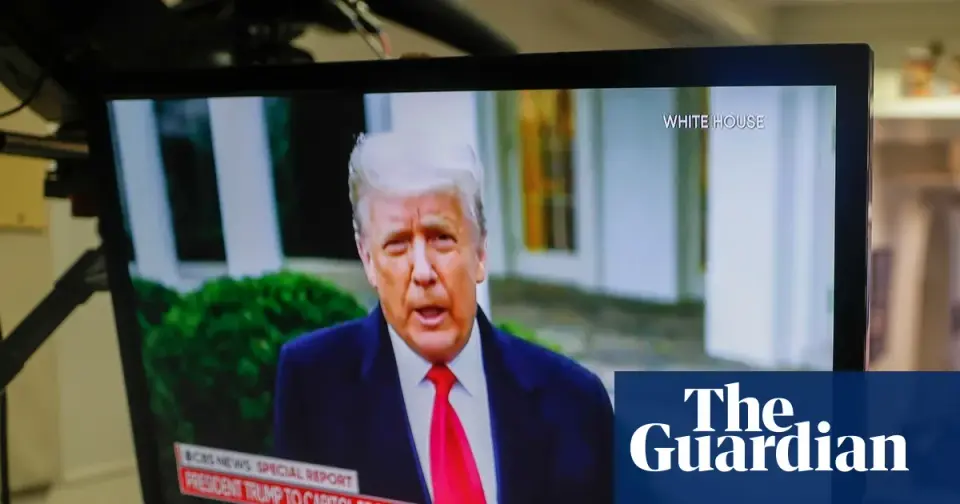
Major US television networks have suspended video coverage of President Donald Trump after the administration banned CNN, MS NOW, and Politico from White House grounds. The outlets have filed a lawsuit seeking a temporary restraining order to lift the ban, arguing it violates First Amendment rights. The dispute follows Trump’s claim that the outlets publish 'fiction and lies,' marking a significant escalation in tensions between the executive branch and the press.
Key points
- CNN, MS NOW, and Politico were banned from White House grounds by President Trump, who cited 'purposely negative stories' as justification.
- Major US television news outlets agreed to suspend their video coverage of the president in response to the ban.
- The three affected outlets filed a lawsuit seeking a temporary restraining order to immediately lift the access restrictions.
- The White House provided its own livestream for a midday ribbon-cutting event, but the president’s remarks were inaudible due to helicopter noise.
- The ban follows a previous attempt by Trump to bar Associated Press journalists, which a federal judge ruled in April 2025 was contrary to the First Amendment.
Background
This development escalates a series of conflicts between the Trump administration and media organizations. In late September 2026, CNN, MS NOW, and Politico sued the administration after being barred from the White House, with major networks like ABC, CBS, Fox News, and NBC suspending pooled coverage. A federal hearing was previously set for Judge Timothy J. Kelly to address the emergency order. The current suspension of coverage by major outlets represents a further step in this ongoing legal and political dispute over press access.
How outlets are covering it
The Guardian reports that the ban led to a complete suspension of video coverage by major US television news outlets, highlighting the practical impact on public access to presidential events. CNBC emphasizes the constitutional implications, noting that the attempt to block access to disfavored outlets could draw legal challenges over First Amendment violations. Both outlets agree on the core facts of the ban and the lawsuit but differ in emphasis: The Guardian focuses on the immediate media response and the inaudible nature of the White House livestream, while CNBC frames the event as a new extreme in Trump’s open hostility toward critical reporting, referencing his previous conflict with the Associated Press.
Why it matters
The suspension of coverage by major networks and the subsequent lawsuit highlight a critical test of press freedom in the United States. If the ban is upheld, it could set a precedent for the government to restrict media access based on editorial content, undermining the First Amendment protections that safeguard a free press. This could have long-term implications for public access to information and the ability of journalists to report on the executive branch without fear of retaliation.
What to watch
The next key development will be the outcome of the lawsuit seeking a temporary restraining order to lift the ban. A federal hearing is expected to address the emergency order, with Judge Timothy J. Kelly likely to play a central role. The response from the White House and the broader media landscape will also be closely watched, as other outlets may face similar restrictions if the ban is not overturned. Additionally, the potential for further legal challenges from other media organizations could shape the future of press access in the US.
- First Thing: News outlets suspend coverage of Trump in escalating media access row The Guardian
- Trump says he's banning MS NOW, CNN and Politico from White House CNBC
- ‘It’s difficult to imagine a more blatant violation of the First Amendment’: criticism mounts over Trump’s media ban - as it happened The Guardian
- US networks halt Trump coverage in revolt over White House ban afp.com
- Trump's attacks on free press echo rhetoric used by autocrats, Jodie Ginsberg says PBS
Want the full story? Read the original reporting
Read on The Guardian