
Cornell suspends all fraternity parties for 2026-2027 academic year following 2024 sexual assault lawsuit
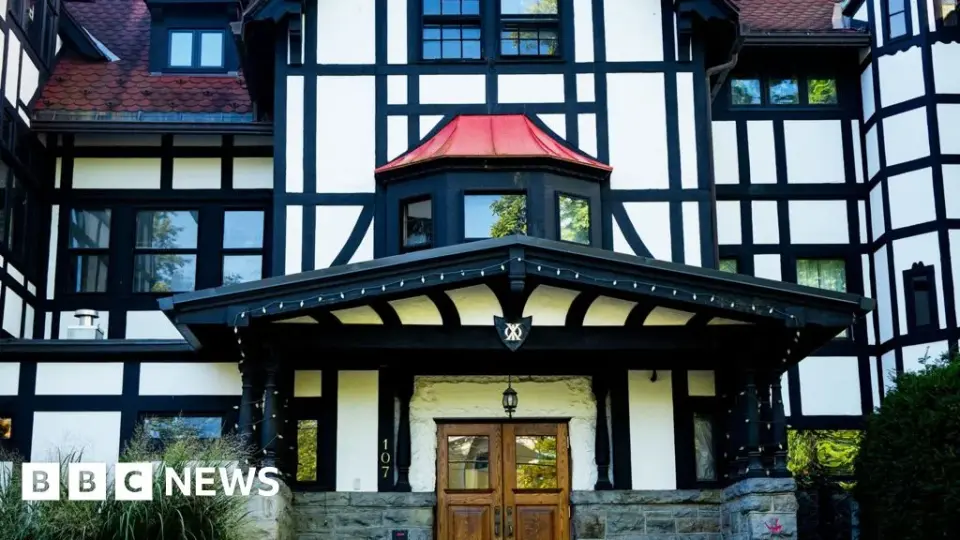
Cornell University has suspended all parties and social events at fraternity houses for the remainder of the 2026-2027 academic year. President Michael Kotlikoff announced the measure on October 13, 2026, in response to a civil lawsuit alleging a 2024 gang sexual assault. The university is also integrating New York State Police into campus investigations and adding support staff for survivors.
Key points
- Cornell University President Michael Kotlikoff announced the immediate suspension of all parties and social events at Interfraternity Council houses for the rest of the 2026-2027 academic year.
- The decision follows a civil lawsuit filed in September 2026 by a student known as Jane Doe, alleging she was drugged and sexually assaulted by multiple men at a Chi Phi fraternity house in October 2024.
- Violations of the new policy will result in immediate emergency suspension of the offending fraternity chapter, with the goal of allowing time for a thorough review of fraternity life on campus.
- Cornell is partnering with New York State Police to allow their trauma-informed criminal investigators to handle sexual assault allegations on campus, replacing the previous reliance on campus police.
- The university is adding a dedicated case manager to the Office of Civil Rights to help survivors navigate academic and housing processes, alongside increased funding for victim advocacy and mental health resources.
Background
This development follows months of escalating scrutiny over Cornell's handling of the 2024 alleged assault. Previous coverage noted that Jane Doe had filed a lawsuit targeting the university and the Chi Phi fraternity for failing to protect her, while local prosecutors declined to bring criminal charges. In October 2026, New York Governor Kathy Hochul appointed Attorney General Letitia James as a special prosecutor to investigate the case, citing failures by local authorities. Cornell also hired former Acting Attorney General Sally Yates to lead an independent review of the university's policies.
How outlets are covering it
BBC and The Guardian report that state officials and Doe's legal team have criticized Cornell and local prosecutors for their initial handling of the case, noting that the district attorney received limited documentation. AP News highlights the university's commitment to 'systemic change' and the integration of state police. The Guardian notes that two men named in the lawsuit have challenged the appointment of special prosecutor Letitia James, arguing her prior public support for the victim demonstrates bias. Cornell's official statement emphasizes that the measures are 'first steps' toward a culture of safety, while acknowledging that research shows sexual assault is not limited to the fraternity system.
Why it matters
The suspension of fraternity parties represents a significant shift in how US universities address campus sexual violence and Greek life. It highlights the growing pressure on institutions to adopt proactive, zero-tolerance policies and to involve external law enforcement in investigations to ensure accountability and support for survivors.
What to watch
Cornell will conduct a thorough review of fraternity life to determine if and how it can safely continue. The independent review led by Sally Yates will examine all related policies and practices. New York State Police will begin interviewing survivors who wish to pursue criminal charges, and the university will expand its Presidential Task Force on Sexual Assault to address broader social behaviors and alcohol abuse.
- Cornell bans all fraternity parties over gang sex assault allegations BBC
- Cornell Bans Fraternity Parties and Adds Sexual Assault Investigators The New York Times
- Immediate measures to strengthen campus safety and better support survivors Cornell University
- Cornell suspends fraternity parties for rest of academic year amid sexual assault controversy AP News
- Cornell suspends fraternity parties amid backlash over alleged sexual assault The Guardian
Want the full story? Read the original reporting
Read on BBC