
Greek PM Rejects British Museum's Bayeux Tapestry Analogy, Demands Permanent Return of Parthenon Marbles
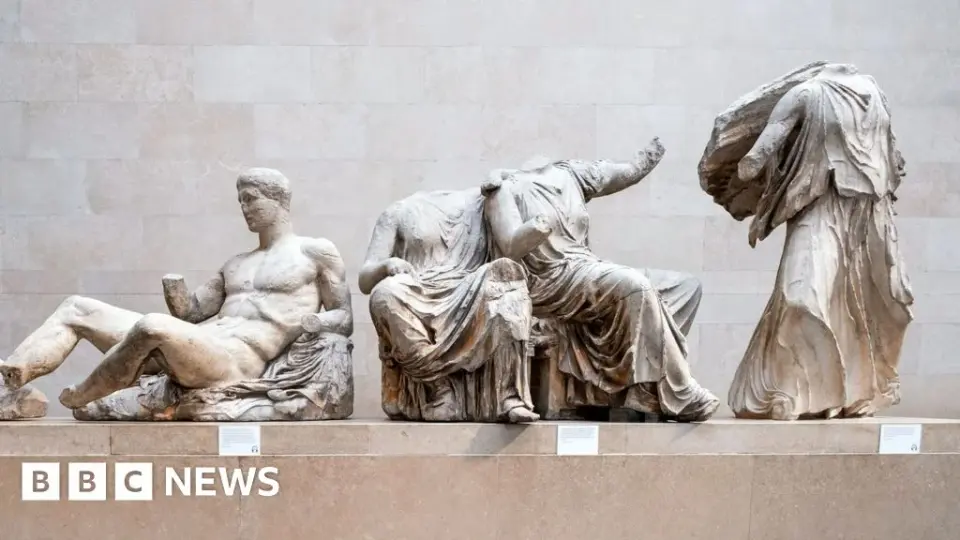
Greek Prime Minister Kyriakos Mitsotakis has publicly rejected the British Museum's proposal to use the recent Bayeux Tapestry loan as a model for resolving the dispute over the Parthenon Marbles. In an opinion piece, Mitsotakis argued that the two cases are fundamentally different, as the tapestry is a single intact object, whereas the Marbles are fragmented parts of a monument forcibly removed in the 19th century. He urged UK Prime Minister Andy Burnham to honor his 2023 pledge to return the sculptures 'no strings attached,' emphasizing that Greece cannot accept any arrangement that validates British ownership. The British Museum maintains its position that the law prevents permanent return, though it remains open to dialogue.
Key points
- Mitsotakis criticized the British Museum's suggestion that the Bayeux Tapestry loan offers a template for the Marbles, stating the situations are not comparable.
- The Greek leader emphasized that the Parthenon sculptures were forcibly removed and dispersed, requiring permanent reunification rather than a temporary loan.
- Mitsotakis called on UK PM Andy Burnham to find the 'political will' to return the artifacts, referencing Burnham's previous support for unconditional repatriation.
- The British Museum director, Nicholas Cullinan, had previously suggested the tapestry arrangement offered hope for a deal, but Athens rejects any scheme requiring them to acknowledge British ownership.
- A 1963 law currently bans the British Museum from permanently returning items in its collection, though it does not prohibit loans.
Background
The dispute over the Parthenon Marbles, also known as the Elgin Marbles, has persisted for over two centuries. The sculptures were removed from the Acropolis in Athens in the early 19th century by Lord Elgin, who was granted permission by the Ottoman Empire, the then-governing authority. They have been on display at the British Museum since 1816. Greece has long disputed the legality of their removal, arguing they are integral to the Parthenon. The Acropolis Museum in Athens was specifically designed with spaces left for these sculptures. Previous diplomatic tensions include a 2021 cancellation of talks between Mitsotakis and former UK PM Rishi Sunak after Mitsotakis compared the removal to cutting the Mona Lisa in half.
How outlets are covering it
BBC and The Guardian highlight Mitsotakis's argument that the Bayeux Tapestry loan is an inadequate comparison because the tapestry is a single, undivided object, whereas the Marbles are fragmented parts of a monument. The Guardian notes that a poll found 72% of the British public agrees the Marbles are best understood as part of a single ensemble with the Parthenon. POLITICO emphasizes the stalemate in talks, noting that Athens rejects any arrangement that requires recognizing British ownership or 'borrowing' parts of their own monument. The Telegraph source was inaccessible due to a security block, so its perspective could not be analyzed. All available sources agree that the British Museum's position remains that the law prevents permanent return, though they are open to dialogue.
Why it matters
This dispute represents a significant cultural and diplomatic issue between the UK and Greece. The resolution could set a precedent for the repatriation of other cultural artifacts held in Western museums. It also touches on broader debates about colonial legacies and the ethics of museum collections. The outcome could influence future international agreements on cultural property and the relationship between the UK and Greece.
What to watch
The next steps will likely involve further diplomatic discussions between the UK and Greece. The British Museum may continue to propose loan arrangements, while Greece will likely maintain its demand for permanent return. The UK government may need to consider amending the 1963 law to allow for permanent repatriation, though this has not been signaled as a priority. Public opinion in the UK may also play a role in influencing the government's stance.
- Greek PM urges Burnham to return Elgin Marbles permanently bbc.com
- Britain would not cut up the Bayeux tapestry. So seize this moment and reunite the Parthenon sculptures in Greece The Guardian
- Exclusive: Elgin Marbles talks collapse The Telegraph
- Parthenon Marbles talks stall as Athens rejects loan proposal politico.eu
- Greek prime minister rejects British Museum suggestion that Bayeux Tapestry exhibition could serve as template for Parthenon Marbles deal The Art Newspaper
Want the full story? Read the original reporting
Read on bbc.com