
UK parents struggle with 'empty nest' anxiety as social media fuels surveillance of university students
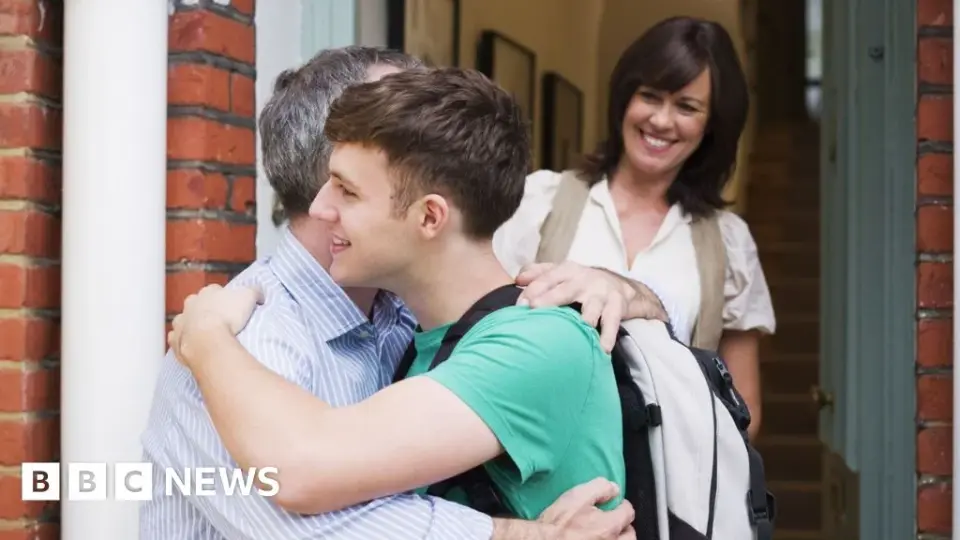
As UK university terms begin, many parents face significant emotional adjustment, often turning to social media groups for reassurance. These platforms, while initially helpful for logistics, frequently exacerbate anxiety by normalizing excessive monitoring. Experts advise parents to limit tracking and intervene only in genuine safety crises, instead fostering independence through low-pressure communication and trusting their children's ability to navigate new social environments.
Key points
- Parents report feeling overwhelmed by grief and loss of routine after dropping off children at university, describing the transition as a 'brutal adjustment'.
- Facebook and WhatsApp groups for parents of first-year students often amplify anxiety by sharing minor concerns, such as lack of replies or social struggles, creating echo chambers of worry.
- Some parents use tracking apps or monitor university social media feeds to verify their children's activities, a behavior psychologists warn undermines student autonomy.
- University students, such as Rayyah Uddin and Archie Forde, argue that parents should communicate directly with them rather than seeking validation from other parents, as constant monitoring can feel suffocating.
- Psychologist Charlotte Armitage advises parents to ask if a situation is a genuine safety issue before intervening, suggesting that constant checking communicates a lack of belief in the child's capability.
- Experts recommend sending low-pressure messages like 'love you' without expecting a response, and negotiating specific times for check-ins to balance connection with independence.
Background
This story highlights the evolving dynamics of the parent-child relationship during the transition to higher education in the UK. While previous archive items focused on institutional leadership changes, child safety incidents, and childcare policy, this piece addresses the psychological and social challenges faced by families as children gain independence. It reflects a broader cultural shift where digital tools, intended to maintain connection, can inadvertently hinder the development of autonomy in young adults.
Why it matters
The rise of digital surveillance in parent-child relationships can impede the development of independence in young adults, potentially leading to long-term dependency issues. Understanding the balance between parental concern and student autonomy is crucial for healthy family dynamics and successful university transitions.
What to watch
As the academic term progresses, parents are encouraged to adopt the suggested strategies of low-pressure communication and direct dialogue. Universities may also continue to provide resources for both students and parents to navigate this transition, while social media platforms may see increased scrutiny regarding the impact of parent-focused groups on student wellbeing.
Want the full story? Read the original reporting
Read on bbc.com