
Nobel Laureate Pillay Condemns US Sanctions on ICC as 'Unacceptable' Amid Global Backlash
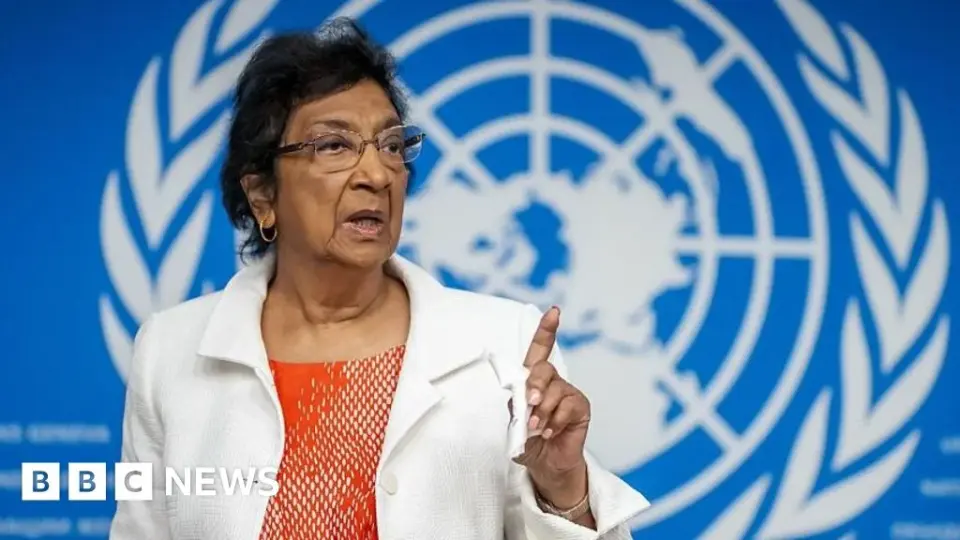
South African jurist Navi Pillay, the 2026 Nobel Peace Prize laureate, called US sanctions against the International Criminal Court (ICC) 'unheard of' and 'unacceptable.' The Trump administration imposed sweeping financial penalties on the ICC hours after the prize announcement, aiming to cut off its resources. While the US argues the court threatens its sovereignty, allies including the UK, France, and Germany condemned the move, and the UN warned it undermines international justice.
Key points
- Navi Pillay, 85, won the Nobel Peace Prize for her efforts to promote peace and international law, specifically citing her work on the ICC and UN human rights.
- The US imposed sanctions on the ICC itself, banning transactions with the court, following earlier penalties on 17 individual judges and officials.
- US Secretary of State Marco Rubio stated the measures aim to 'dismantle' the ICC, which the US views as a 'rogue' institution threatening American sovereignty.
- A six-month grace period was included in the sanctions to allow member states to negotiate solutions, though the ICC called the move an 'assault on the rule of law.'
- Eight nations, including the UK, Canada, and Germany, issued a joint statement expressing regret and strong disagreement with the US decision.
- UN Secretary-General Antonio Guterres described the sanctions as a 'serious blow' to international criminal justice, while Israel praised the US action.
Background
The 2026 Nobel Peace Prize was awarded to Navi Pillay, a former ICC judge and UN human rights chief, on October 9, 2026. This followed the 2026 Nobel Prize in Physiology or Medicine, awarded to optogenetics pioneers Karl Deisseroth, Peter Hegemann, and Georg Nagel in early October. Pillay’s award comes amid a broader trend of scrutiny regarding the gender gap in science Nobels and the increasing politicization of international legal institutions. The US has previously sanctioned individual ICC officials, but this marks the first time the institution itself has been targeted with sweeping financial penalties.
How outlets are covering it
BBC and CNN emphasize the symbolic clash between the Nobel committee’s recognition of international law and the US administration’s aggressive dismantling of the ICC. The Washington Post highlights the financial impact, noting the sanctions aim to cut the court off from the global financial system. Al Jazeera focuses on the diplomatic fallout, detailing the unified response from European allies and the UN. While the US frames the ICC as a threat to sovereignty, the ICC and its supporters view the sanctions as an existential attack on judicial independence. Israel, notably, commended the US move, contrasting with the condemnation from most other nations.
Why it matters
The US sanctions against the ICC represent a significant escalation in the conflict between national sovereignty and international legal accountability. By targeting the court’s financial operations, the US risks crippling its ability to prosecute war crimes and crimes against humanity. The strong backlash from key allies and the UN suggests a deepening rift in the international order, potentially setting a precedent for other nations to challenge US-led legal frameworks. The timing, immediately following the Nobel Peace Prize award to a former ICC judge, underscores the global debate over the future of international justice.
What to watch
The six-month grace period for the sanctions will determine whether member states can negotiate a resolution or if the ICC’s financial operations will be severely impacted. The ICC has called on its 125 member states to defend the institution, and Belgium is pushing for the activation of the EU Blocking Statute to mitigate the sanctions’ effects. The US has stated the sanctions can be adjusted based on the court’s 'progress' in addressing US concerns, but no specific conditions for lifting the penalties have been outlined. The ICC has vowed to continue its work despite the financial pressure.
- Nobel peace laureate says US sanctions on ICC 'unacceptable' BBC
- Trump hits International Criminal Court with sanctions after Nobel goes to former judge The Washington Post
- As Navi Pillay wins Nobel Peace Prize, US takes unprecedented action to cripple the court she served on CNN
- European states, Canada, Japan and UN back ICC against US sanctions Al Jazeera
- Imposing Sanctions on the International Criminal Court U.S. Department of State (.gov)
Want the full story? Read the original reporting
Read on BBC