
Russia Detains Japanese Reporter on Espionage Charges Amid Kuril Dispute
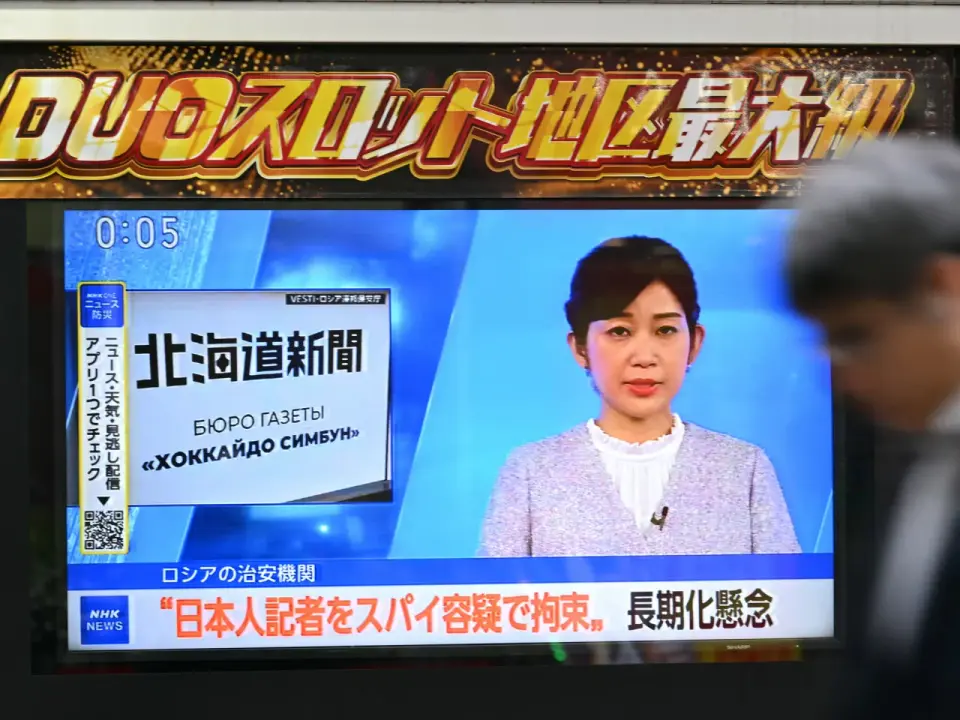
Russian security services arrested Yuki Imai, a journalist for the Hokkaido Shimbun, on Sakhalin Island, accusing him of spying for Tokyo. Moscow claims he gathered intelligence on defense capabilities, while Japan demands consular access and humane treatment. The detention escalates tensions over the disputed Kuril Islands and Japan's support for Ukraine sanctions.
Key points
- The Federal Security Service (FSB) arrested Imai on Tuesday as he prepared to leave Russia, charging him with espionage.
- Imai was transferred to Moscow and remanded in custody until December 12, pending trial.
- Japan summoned the Russian ambassador to protest the arrest and demand information on the reporter's welfare.
- Russian officials accused Tokyo of using foreign journalists to undermine Russian security interests in the Far East.
- The incident occurs amid heightened tensions over the Kuril Islands dispute and Japan's recent expansion of sanctions against Moscow.
Background
This arrest is the first detention of a foreign journalist in Russia since 2024, following the 2023 case of Evan Gershkovich. It follows a 2019 incident where a Kyodo News reporter was detained in Vladivostok. The current diplomatic rift is exacerbated by Vladimir Putin's August visit to Iturup Island, which Japan condemned as unacceptable, and Japan's recent imposition of additional sanctions related to the Ukraine war.
How outlets are covering it
Al Jazeera and The New York Times emphasize the diplomatic fallout, noting Japan's formal protest and lack of consular access. The BBC highlights the severity of the charges, noting that espionage convictions in Russia can carry up to 20 years in prison, and references the FSB's released footage of the arrest. All sources agree that the case is linked to broader tensions over the Kuril Islands and Japan's 'unfriendly' status regarding sanctions. Russian officials, via Al Jazeera, framed the arrest as a response to Japan's 'anti-Russian policies' and remilitarization, while Japanese officials, per WRAL, stressed the need for communication despite the dispute.
Why it matters
The detention signals a further deterioration in Russia-Japan relations, potentially hindering any future peace treaty negotiations over the Kuril Islands. It also raises concerns about the safety of foreign journalists operating in Russia, mirroring previous high-profile espionage cases against Western reporters.
What to watch
Japan is expected to continue diplomatic pressure for consular access and the release of Imai. The trial is scheduled to begin after December 12. Observers will watch for further retaliatory measures from Moscow or Tokyo, given the recent history of sanctions and territorial disputes.
- Russia’s arrest of Japanese journalist: Why are tensions rising? Al Jazeera
- Tokyo protests Russia’s arrest of Japanese journalist on suspicion of spying WRAL
- Japan Protests Russia’s Detention of Journalist Accused of Spying The New York Times
- Russia arrests Japanese journalist for alleged espionage BBC
- Russia detains Japanese journalist, alleging espionage The Washington Post
Want the full story? Read the original reporting
Read on Al Jazeera