
High Court invalidates Andrew’s search warrants, but police retain seized evidence
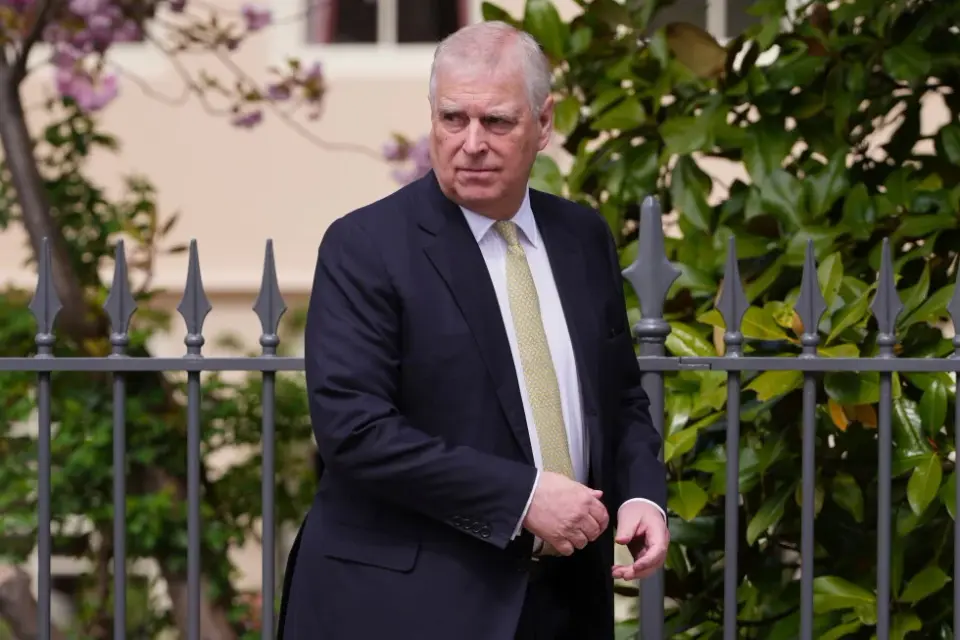
A London High Court judge ruled that the search warrants used to raid former Prince Andrew’s homes in February 2026 were unlawful. Thames Valley Police conceded the error, but the criminal investigation into misconduct in public office continues. A 2027 hearing will determine if seized evidence can be retained under alternative legal powers.
Key points
- Mr Justice Hilliard ruled the warrants issued on February 18, 2026, were unlawful because they were granted under the wrong statutory provision of the Police and Criminal Evidence Act 1984.
- Thames Valley Police accepted the error but stated the investigation into alleged misconduct in public office remains ongoing and is not invalidated by the ruling.
- Police seized documents and electronic devices from Mountbatten-Windsor’s Sandringham estate and Royal Lodge residence during his arrest on February 19, 2026.
- A further hearing is scheduled for 2027 to decide if the seized material can be retained under alternative legal powers, as Mountbatten-Windsor opposes the police’s bid to keep the evidence.
- King Charles III barred the use of private royal funds to support Mountbatten-Windsor’s legal challenge, though the former prince continues to receive an undisclosed annual stipend.
Background
The legal dispute follows Mountbatten-Windsor’s arrest in February 2026 on suspicion of misconduct in public office, stemming from allegations that he shared sensitive information with Jeffrey Epstein while serving as a U.K. trade envoy. The allegations surfaced after the U.S. Justice Department released documents related to Epstein’s sex trafficking network. King Charles stripped his brother of his princely title and dukedom in late 2025 to shield the royal family from further fallout. Mountbatten-Windsor, 66, has consistently denied any wrongdoing.
How outlets are covering it
AP News and NBC News reported that the warrants were invalidated after Thames Valley Police conceded the error, framing it as a significant legal setback for the force. The Guardian emphasized that while the warrants were quashed, police believe the investigation’s success is unaffected, noting that the error was in the judicial decision to grant the warrant rather than the police’s actions. BBC highlighted that the ruling does not end the investigation or make it unlawful, and that police are pursuing alternative legal grounds to retain seized evidence. All sources agreed that the criminal investigation continues and that a 2027 hearing will determine the fate of the seized materials.
Why it matters
The ruling underscores the complex legal battles surrounding the Epstein-linked misconduct investigation and the limits of police powers in high-profile cases. It highlights the ongoing tension between the royal family and law enforcement, as well as the potential for prolonged legal proceedings even after a significant procedural defeat. The outcome may influence how similar cases involving public figures are handled in the future.
What to watch
A behind-closed-doors hearing is scheduled for 2027 to determine whether the police can retain the seized material under alternative legal powers. Mountbatten-Windsor opposes the police’s bid to keep the evidence, and the outcome will likely impact the strength of the case against him. The criminal investigation into alleged misconduct in public office remains ongoing, with police continuing to pursue all reasonable lines of enquiry.
- Judge says search warrants used to seize property from former Prince Andrew were unlawful AP News
- Former Prince Andrew wins legal dispute over search warrants after Epstein-linked misconduct arrest NBC News
- Warrants used to search Andrew's homes were unlawful, court says BBC
- Search warrants used in Andrew Mountbatten-Windsor raids were unlawful, court rules The Guardian
- Ex-Prince Andrew search warrants quashed after police accept legal error KSL News
Want the full story? Read the original reporting
Read on AP News