
Al Jazeera Condemns Netanyahu’s UN Attack on Press as Threat to Journalist Safety
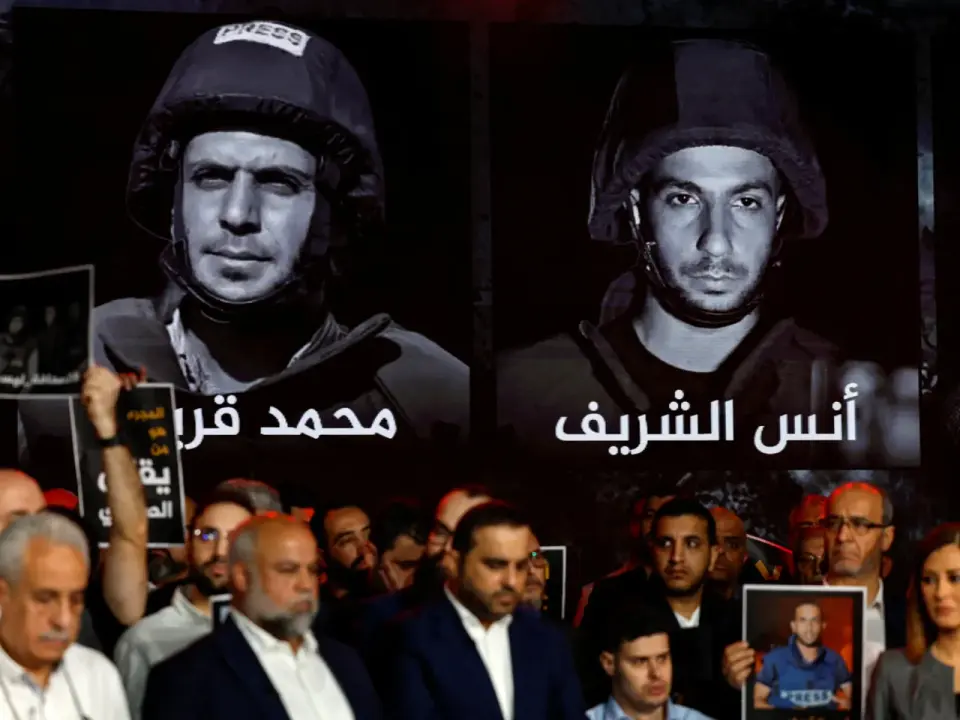
Al Jazeera Media Network has issued a formal rejection of Israeli Prime Minister Benjamin Netanyahu’s recent remarks at the United Nations General Assembly, where he labeled the network a 'toxic media outlet' attempting to 'brainwash young minds to hate Israel.' In a statement released on September 25, 2026, the network characterized the comments as part of a sustained campaign against its journalists and warned that such rhetoric poses a direct threat to the safety of its field staff. Al Jazeera emphasized that its role is to report facts and provide context, rejecting the notion that its coverage constitutes incitement. The network highlighted the severe toll of the ongoing conflict in Gaza, noting that over 270 journalists have been killed there, with at least 12 of those victims having worked for Al Jazeera. The statement also referenced previous Israeli actions, including a cabinet vote to ban the network’s broadcasts and the closure of its offices in Israel, framing these measures as violations of the public’s right to independent information.
Key points
- Al Jazeera categorically rejected Netanyahu’s UN speech, describing it as the latest example of a sustained campaign against the network and its staff.
- The network stated that Netanyahu’s rhetoric threatens the physical safety of journalists working in the field, particularly in Gaza.
- Al Jazeera reported that at least 12 of its journalists have been killed in Gaza, part of a broader total of over 270 journalists killed in the conflict.
- The statement referenced Israel’s previous ban on Al Jazeera broadcasts and the closure of its offices in Israel as part of a pattern of pressure.
- Al Jazeera asserted that journalism’s role is to provide facts and context, allowing individuals to form their own opinions, rather than to 'brainwash' audiences.
Background
This incident occurs amid heightened tensions surrounding Netanyahu’s September 24, 2026, address to the UN General Assembly, which was marked by mass protests in New York City and over 100 arrests. Analysts have noted that the speech was strategically timed ahead of Israel’s October 27 elections, with Netanyahu facing domestic political pressure and waning support for his Likud party. Previous coverage indicated that Netanyahu used the platform to attack critics of Israel’s actions in Gaza and the West Bank, including New York Mayor Zohran Mamdani, whom he accused of antisemitism. The current dispute with Al Jazeera adds a media dimension to the broader geopolitical and domestic challenges Netanyahu faces during this period.
Why it matters
The confrontation highlights the escalating risks faced by international journalists in conflict zones and the politicization of media outlets by state actors. By linking verbal attacks at the UN to physical threats against reporters, Al Jazeera underscores the potential for diplomatic rhetoric to endanger press freedom. This incident also reflects the broader struggle for independent information in the Gaza conflict, where the suppression of media access has been a point of contention for years. The response from a major news network to a head of state’s public criticism signals a refusal to accept such characterizations as legitimate political discourse, potentially influencing how other international bodies and media organizations respond to similar accusations in the future.
What to watch
Al Jazeera may face further diplomatic or legal pressure from Israel, potentially including new restrictions on its operations or broadcasts. The network is likely to continue documenting the impact of the conflict on its staff and the broader journalistic community in Gaza. International human rights organizations and press freedom groups may scrutinize the UN speech for its implications on press freedom and the safety of journalists. The situation could also influence the narrative surrounding the upcoming Israeli elections, with Netanyahu’s critics potentially using the incident to highlight his stance on media and international criticism.
Want the full story? Read the original reporting
Read on Al Jazeera