
Oman-led Hormuz talks collapse as Iran factions clash over escalation vs. economic survival
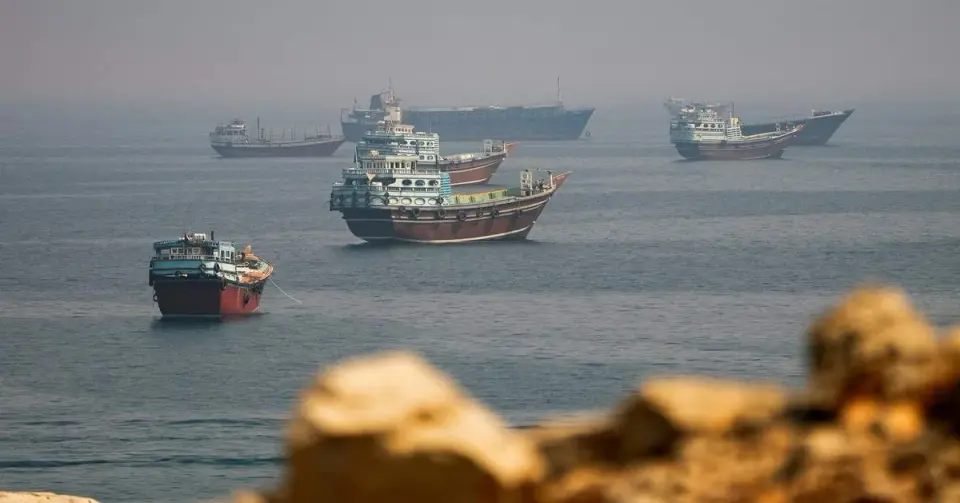
A planned multilateral meeting in Muscat, Oman, to negotiate a framework for reopening the Strait of Hormuz collapsed after Saudi Arabia and other Gulf monarchies refused to endorse Iran’s transit proposal. The failure has intensified internal divisions in Tehran between hardliners demanding military escalation and moderates prioritizing economic survival, while the US insists any shipping deal must be tied to nuclear concessions.
Key points
- The Muscat talks, intended to present a 'managed transit corridor' for the Strait of Hormuz, broke down after Saudi Arabia and Bahrain declined to attend and Arab Gulf monarchies rejected Iran’s proposal.
- Iranian media across the political spectrum, including hardline Kayhan and reformist Shargh, confirmed the collapse, marking a rare consensus on the diplomatic failure.
- The US rejected treating shipping issues in isolation, demanding that any transit arrangement be linked to broader nuclear concessions, while Iran demanded an immediate halt to US tanker interdictions and the release of $24 billion in frozen assets.
- Inside Iran, hardline factions are pushing for proportional retaliation against Western-aligned shipping, while moderates argue for maintaining diplomatic channels through Qatar and Oman to prevent total isolation.
- The diplomatic deadlock exacerbates Iran’s economic crisis, with point-to-point inflation nearing 90 percent, the rial trading at 2.3 million to the dollar, and acute pharmaceutical shortages due to container backlogs at Bandar Abbas port.
Background
The collapse follows the de facto failure of the June 2026 US-Iran Memorandum of Understanding, which had aimed to pause fighting and reopen the strait but unraveled due to disputes over shipping routes and vague language. Prior to this, Trump had declared Iran a 'failed nation' amid intensifying economic strain and naval blockades, while indirect diplomacy via Oman and Pakistan had continued in the background. The current crisis is part of a broader escalation since the US-led war began in February 2026, which has already cost the US $33.4 billion and resulted in 7 US service member deaths.
How outlets are covering it
Iran International highlights the internal rift in Tehran, noting that hardline outlets like Kayhan are pushing for full escalation and withdrawal from the Non-Proliferation Treaty, while reformist figures prioritize economic survival. The Washington Post emphasizes the diplomatic breakdown, reporting that Saudi Arabia postponed the high-level meeting due to pressure from Houthi rebels and Iraqi militias, framing it as a failure of the highest-level multilateral talks since the war began. CNN focuses on the US stance, noting that Trump administration officials privately insist the strait issue must be tied to nuclear negotiations, while regional diplomats acknowledge the necessity of the Omani framework despite US absence. CNN also notes that while US military escorts have increased tanker traffic, the long-term viability of this approach is questioned, and the US has dismissed the strait’s future importance, a view contradicted by European and Gulf diplomats who see the Omani plan as a necessary step toward peace.
Why it matters
The collapse of the Muscat talks removes Tehran’s nearest diplomatic exit at a critical moment, forcing a choice between military escalation and economic collapse. The failure risks widening the conflict across the Persian Gulf and Red Sea, as hardline factions push for retaliation against Western shipping, while the economic crisis deepens with soaring inflation and drug shortages. The US insistence on linking shipping to nuclear concessions, combined with Gulf states’ refusal to endorse Iran’s transit proposal, leaves the region on the brink of a broader war, with the Houthis’ expanding attacks on Saudi infrastructure further complicating the situation.
What to watch
Tehran is likely to face a sharp internal debate over whether to escalate militarily or continue diplomatic efforts through Qatar and Oman. The US may maintain its stance of linking shipping to nuclear talks, while Gulf states could seek alternative security arrangements, including potential mediation by China, which has called for a BRICS-led peace effort. The economic crisis in Iran, including pharmaceutical shortages and currency volatility, may intensify, potentially leading to further social unrest, especially ahead of the anniversary of the 2022 Woman, Life, Freedom protests. The situation around Bab el-Mandeb and the Red Sea will also remain critical, with France calling for a UN Security Council meeting to address the deteriorating situation.
- After Muscat collapse, Tehran argues over what comes next Iran International
- With Saudi Arabia under pressure, talks on how to end Iran war face delay The Washington Post
- Iran-Gulf talks without US participation on reopening the Strait of Hormuz postponed, Omani official says CNN
- Meeting Between Iran and Arab States Postponed as Mideast Diplomacy Stalls The New York Times
- Temporary Hormuz solution deferred as Iran-Arab summit falls through aljazeera.com
Want the full story? Read the original reporting
Read on Iran International