
Judge Halts US Sanctions on Rights Groups Supporting ICC Gaza Probe
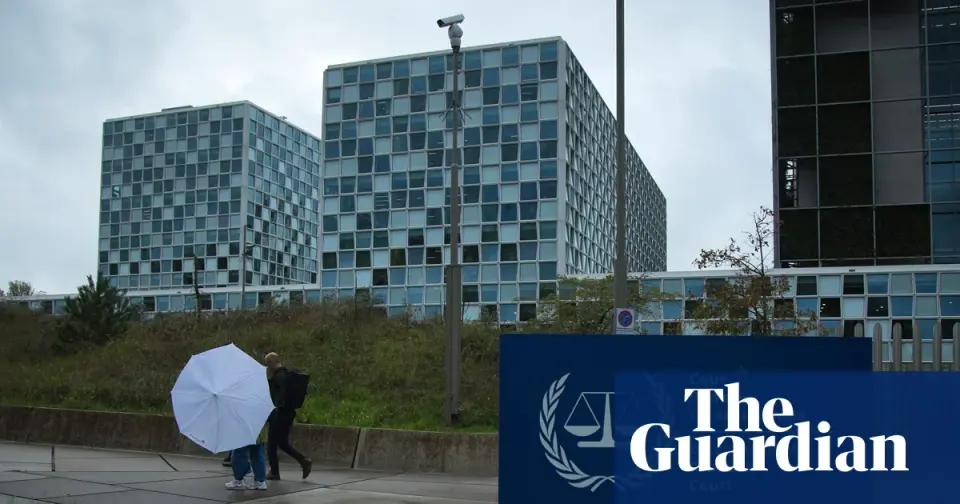
Judge Jesse M. Furman issued a preliminary injunction blocking the Trump administration from sanctioning two US human rights groups for assisting the International Criminal Court’s Gaza war crimes investigation. The ruling, based on First Amendment violations, halts enforcement against Democracy for the Arab World Now and Taxpayer Alliance Against Genocide but does not void the broader executive order. This decision follows recent US sanctions targeting the ICC itself and comes amid ongoing disputes over the court’s authority to investigate non-member states.
Key points
- Judge Jesse M. Furman granted a preliminary injunction to Democracy for the Arab World Now (Dawn) and Taxpayer Alliance Against Genocide (Taag), blocking sanctions for their ICC-related advocacy.
- The ruling cites a 2025 executive order that threatened 'tangible consequences' for individuals supporting ICC investigations deemed threats to US or Israeli security.
- Furman determined the order likely violates First Amendment rights as a content-based regulation of speech, echoing arguments from a prior lawsuit by law professors.
- The judge rejected requests for a universal injunction, meaning the executive order remains in effect for other entities not involved in this specific case.
- The decision arrives days after the US imposed financial sanctions on the ICC itself, which the State Department described as an 'intolerable threat to US sovereignty.'
Background
This ruling follows a series of escalating US actions against the International Criminal Court (ICC) in 2026. In September, the administration prepared broad sanctions to freeze ICC operations, and in October, Secretary of State Marco Rubio announced measures banning US entities from transacting with the court. These moves followed the ICC’s issuance of arrest warrants for Israeli Prime Minister Benjamin Netanyahu and former Defense Minister Yoav Gallant for alleged war crimes in Gaza. The current case builds on a prior legal challenge where a court found similar sanctions violated First Amendment rights, establishing a precedent that Furman applied to these advocacy groups.
How outlets are covering it
The Guardian reports that the White House did not immediately respond to the ruling, while the State Department declined to comment on pending litigation but reiterated its stance that the ICC poses a threat to US sovereignty. Dawn, one of the plaintiff groups, characterized the ruling as a 'victory for the first amendment' and stated it would immediately resume advocacy with the ICC. The secondary source, Dawn’s own press release, frames the decision as a block on enforcement against groups advocating for Palestinian rights, emphasizing the legal victory over the sanctions regime. The Guardian notes that the judge stopped short of declaring the executive order facially unconstitutional, a nuance not highlighted in Dawn’s announcement.
Why it matters
The injunction prevents the immediate financial and legal repercussions for two prominent US advocacy groups, allowing them to continue supporting international war crimes investigations. It sets a legal precedent regarding the First Amendment limits on executive orders targeting speech-based activities related to international tribunals. However, the lack of a universal injunction means the broader sanctions framework remains intact, potentially affecting other organizations and individuals involved in ICC-related work. This legal battle highlights the ongoing tension between US sovereignty claims and international justice mechanisms, particularly regarding the Gaza conflict.
What to watch
The Trump administration may appeal the preliminary injunction or seek to narrow its scope, given the judge’s refusal to issue a universal ban. Dawn and Taag plan to resume their advocacy work with the ICC immediately. The broader sanctions on the ICC itself, announced in October, remain in effect, with a six-month grace period for allies to negotiate solutions. Further legal challenges may emerge from other groups affected by the 2025 executive order, testing the boundaries of the First Amendment protections established in this ruling.
- Judge blocks US sanctions on rights groups helping ICC Gaza war crimes inquiry The Guardian
- Judge Blocks Trump Administration’s Sanctions on 2 Groups Aiding the I.C.C. The New York Times
- EXCLUSIVE: US imposes sanctions on ICC hours after former judge wins Nobel Peace Prize Reuters
- U.S. Court Blocks Enforcement of ICC Sanctions against Groups Advocating for Palestinian Rights Democracy for the Arab World Now
- Nobel laureate Navi Pillay slams Trump, predicts Netanyahu's arrest and rejects Goebbels comparison Ynetnews
Want the full story? Read the original reporting
Read on The Guardian