
Germany rejects Irish EU budget compromise as insufficient
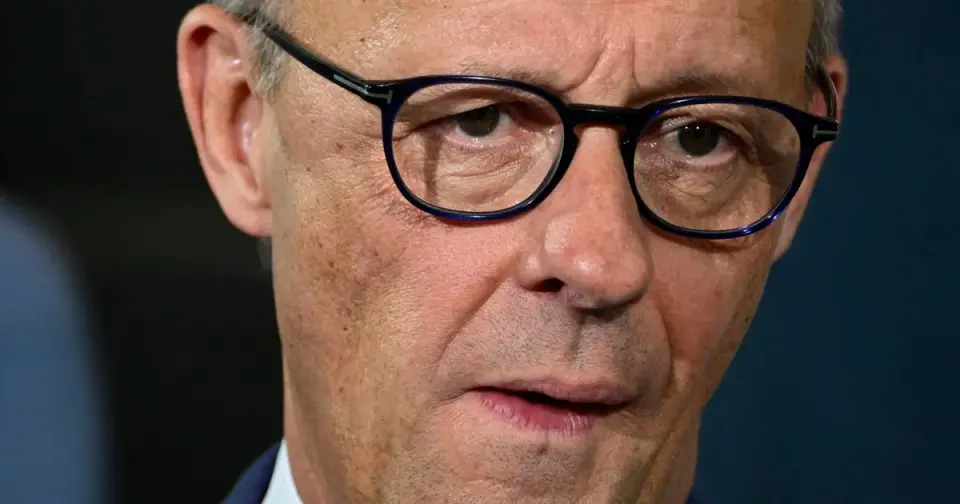
Germany and other net contributor states rejected Ireland's latest proposal to cut the EU's 2028-2034 budget by €159 billion, arguing the reductions are inadequate. The proposal, which still represents a 30% increase over current spending, leaves agriculture and regional funds largely untouched while slashing defense and competitiveness. EU leaders will debate the plan at a summit next week, with an end-of-year deadline looming before 2027 elections.
Key points
- Ireland's presidency proposed an 8% cut to the Commission's draft, totaling €159 billion in current prices.
- Germany, leading six 'frugal' states, called the offer insufficient and not a basis for agreement.
- Agriculture and cohesion funds were protected, while defense, competitiveness, and development aid faced heavy cuts.
- EU leaders will discuss the proposal at a summit on October 15-16, aiming for a deal before 2027 elections.
Background
Negotiations for the EU's 2028-2034 Multiannual Financial Framework have been stalled by deep divisions between net contributors and beneficiary states. Previous attempts, including a Cypriot proposal in June, failed to bridge the gap. The current talks are under pressure due to upcoming elections in France, Italy, and Poland in 2027, which could derail the process.
How outlets are covering it
Politico and Euronews highlight the sharp rejection from the 'frugal' camp, led by Germany, which views the €159 billion cut as inadequate. The Financial Times notes that while the proposal is a 30% increase over current spending, it is an 8% reduction from the Commission's initial draft. All sources agree that agriculture and cohesion funds were largely protected to appease the 'Friends of Cohesion' bloc, but the frugal states argue that cuts to defense and competitiveness are counterproductive. Irish negotiators, including Thomas Byrne, defended the proposal as a necessary compromise to bridge differences, while Dutch officials warned that no deal may be reached by year's end.
Why it matters
The outcome of these negotiations will determine the EU's spending priorities for the next seven years, affecting defense, agriculture, and regional development. A failure to reach a deal by year's end could lead to a fragmented budget or a reliance on temporary measures, potentially undermining EU cohesion and strategic autonomy.
What to watch
EU ambassadors will discuss the proposal on October 11, followed by a General Affairs Council meeting on October 13. EU leaders will debate the negotiating box at a summit on October 15-16, with the goal of reaching a political agreement before the end of the year.
- Germany warns EU that €159B budget cuts are not enough POLITICO.eu
- EU joint budget proposal slashed in race to find end-year agreement Financial Times
- EU's Irish presidency wants 8% cut to proposed 2028-2034 budget plan Reuters
- EU budget: Ireland pitches €141bn cuts to appease the ‘frugals’ Euronews.com
- EU Eyes €160 Billion Cut From Initial Budget Heading Into Talks Bloomberg.com
Want the full story? Read the original reporting
Read on POLITICO.eu