
Green Leader Polanski Faces Leadership Crisis After By-Election Loss and Zionism Row
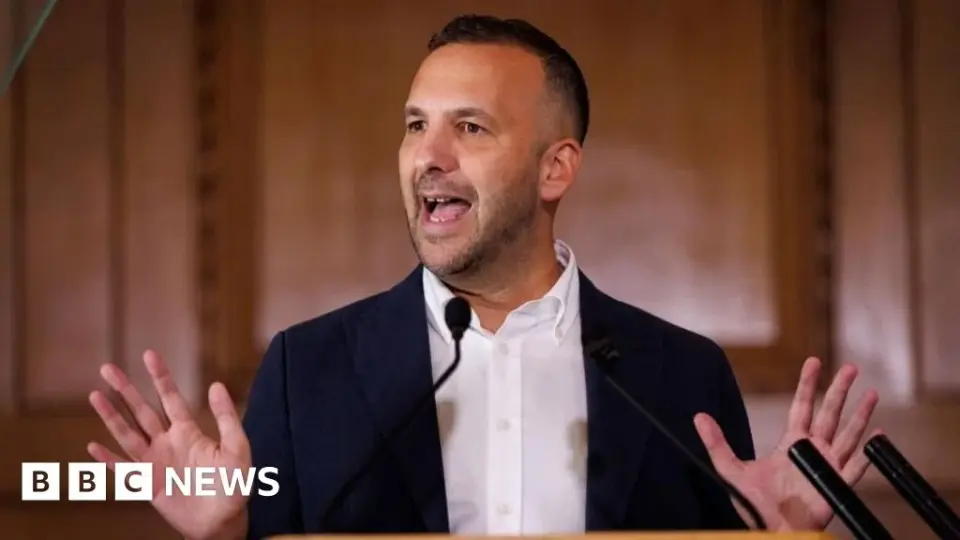
Green Party leader Zack Polanski faces a severe leadership crisis following his defeat in the Holborn and St Pancras by-election and the party’s adoption of a motion declaring Zionism a form of racism. While Labour’s Sagal Abdi-Wali won the seat, the Greens achieved their second-best by-election result ever. However, internal and external backlash over the Zionism policy, which Polanski abstained from voting on, has triggered condemnation from European allies, Jewish organizations, and senior party figures, including former leader Caroline Lucas. Polanski insists he can continue as leader, but faces growing pressure to step down or moderate the party’s stance.
Key points
- Labour’s Sagal Abdi-Wali won the Holborn and St Pancras by-election with 45% of the vote, defeating Green leader Zack Polanski, who received 33%.
- The Green Party adopted a motion at its Brighton conference declaring Zionism a form of racism and supporting a single democratic Palestinian state, which Polanski abstained from voting on.
- Polanski stated he would have voted for amendments to the motion but not the unamended version, calling it 'imperfect' while acknowledging the 'ongoing genocide' in Gaza.
- The motion has triggered condemnation from the Israeli government, which banned Polanski from entering the country, as well as from European Green parties and Jewish organizations in the UK.
- Former Green leader Caroline Lucas criticized Polanski for failing to show leadership on the issue, while some party members and factions, including Greens Organise, support his continued leadership.
- The Green Party’s membership has tripled to over 230,000 since Polanski took over, but its poll ratings have dropped from 21% to around 10-11%.
Background
The Green Party of England and Wales has been in the spotlight since adopting a binding motion declaring Zionism a form of racism in early October 2026. This decision triggered an Israeli ban on leader Zack Polanski, condemnation from European allies, and legal challenges from Labour MPs. Prior to the by-election, the party had experienced a surge in membership and poll ratings, but the Zionism motion and Polanski’s handling of it have created significant internal and external divisions. The by-election in Holborn and St Pancras, a traditionally safe Labour seat, was seen as a pivotal test for the Greens’ momentum and Polanski’s leadership.
How outlets are covering it
BBC emphasizes the internal crisis within the Green Party, highlighting Polanski’s defense of his leadership and the party’s best-ever by-election result despite the loss. The Guardian focuses on the broader political implications, noting the Greens’ drop in poll ratings and the debate over whether Polanski should step down. The Conversation highlights the international backlash, particularly from European Green parties, and the potential for the UK Greens to face suspension or expulsion from the European Green Party. All sources agree that the Zionism motion has created a significant rift within the party and with its allies, but they differ in their assessment of Polanski’s ability to resolve the crisis and lead the party forward.
Why it matters
The crisis facing Zack Polanski and the Green Party has significant implications for UK politics, as it highlights the tensions between the party’s environmental and social justice agendas and its stance on Israel-Palestine. The loss in the Holborn by-election, combined with the Zionism row, has damaged the party’s reputation and could affect its ability to attract voters in future elections. The international backlash from European Green parties and Jewish organizations also raises questions about the party’s standing within the broader European Green movement. Ultimately, the crisis could shape the future of the Green Party as a major political force in the UK and its ability to compete with Labour and the Conservatives.
What to watch
Polanski will likely face continued pressure from internal and external critics to resolve the Zionism crisis, potentially through moderating the party’s stance or stepping down as leader. The Green Party may also face challenges in attracting voters and maintaining its momentum in future elections, as the Zionism row has damaged its reputation. The party’s relationship with European Green parties and Jewish organizations will also be a key factor in its future, as the backlash from these groups could affect its standing within the broader European Green movement. Ultimately, the crisis could shape the future of the Green Party as a major political force in the UK and its ability to compete with Labour and the Conservatives.
- Zack Polanski faces greatest crisis of his leadership so far BBC
- Does Polanski have to go? Greens at the crossroads after Holborn and St Pancras The Guardian
- Zack Polanski loses his byelection bid – and the Green party’s Zionism motion has outraged its closest allies in Europe The Conversation
- UK PM Burnham's Labour fends off left-wing Greens in London Reuters
- Battle for the soul of the Green Party Financial Times
Want the full story? Read the original reporting
Read on BBC