
Guilfoyle's Unusual Diplomatic Companion Raises Questions in Europe
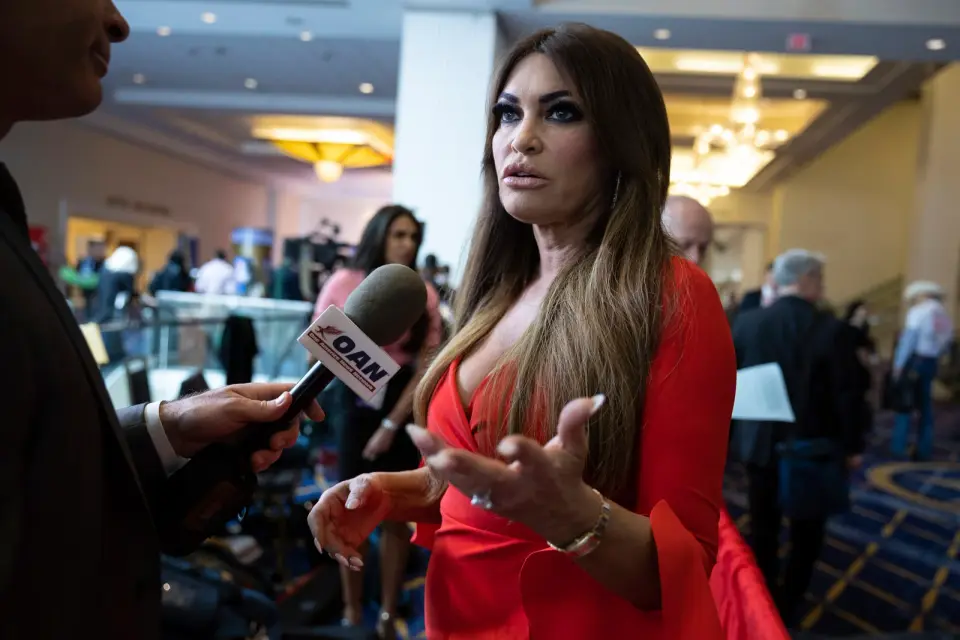
U.S. Ambassador to Greece Kimberly Guilfoyle is facing scrutiny from European officials over her frequent public appearances with Christos Marafatsos, a private lobbyist for the Greek energy firm Aktor Group. While Guilfoyle aims to reduce European reliance on Russian energy, her close association with Marafatsos, who lacks diplomatic experience, has confused regional leaders and raised questions about the intersection of state diplomacy and private commercial interests.
Key points
- Christos Marafatsos, a 39-year-old American lobbyist for Aktor Group, is frequently seen accompanying Ambassador Guilfoyle at high-level meetings across Europe, acting as an unofficial gatekeeper.
- European officials are puzzled by Marafatsos's presence, noting that it is highly unusual for a private citizen to join an ambassador in diplomatic settings, particularly given his lack of experience in diplomacy or energy.
- Aktor Group has signed memorandums of understanding and commercial agreements with gas companies in Bulgaria, Ukraine, Bosnia and Herzegovina, and Romania, with Guilfoyle reportedly helping secure a $6 billion deal in Albania for gas purchases through 2050.
- Marafatsos was paid $160,000 by Aktor between November 2025 and June 2026 to establish connections within the Trump administration, State Department, and Energy Department, marking his first lobbying role.
- Three other Greek companies have paid Marafatsos a combined $440,000 this year, following his initial success in securing connections for Aktor.
Background
This development follows earlier reports in late September 2026 that Guilfoyle was facing scrutiny over an unidentified companion during her energy diplomacy efforts in Greece. The current report identifies the companion as Christos Marafatsos and details his specific role and financial ties to Aktor Group, clarifying the nature of the relationship as a professional lobbying arrangement rather than a personal one.
Why it matters
The situation highlights potential conflicts of interest in U.S. foreign policy, where private commercial interests may be advanced through official diplomatic channels. It raises questions about the transparency and propriety of involving private lobbyists in high-level government meetings, potentially undermining the credibility of U.S. energy diplomacy in Europe.
What to watch
European officials may continue to question the role of private lobbyists in U.S. diplomatic engagements. There may be further scrutiny from U.S. oversight bodies regarding the propriety of Marafatsos's involvement in official meetings and the financial arrangements between Aktor and the ambassador's office.
Want the full story? Read the original reporting
Read on Mediaite