
Kiir Dissolves South Sudan Government, Consolidating Power Before December Vote
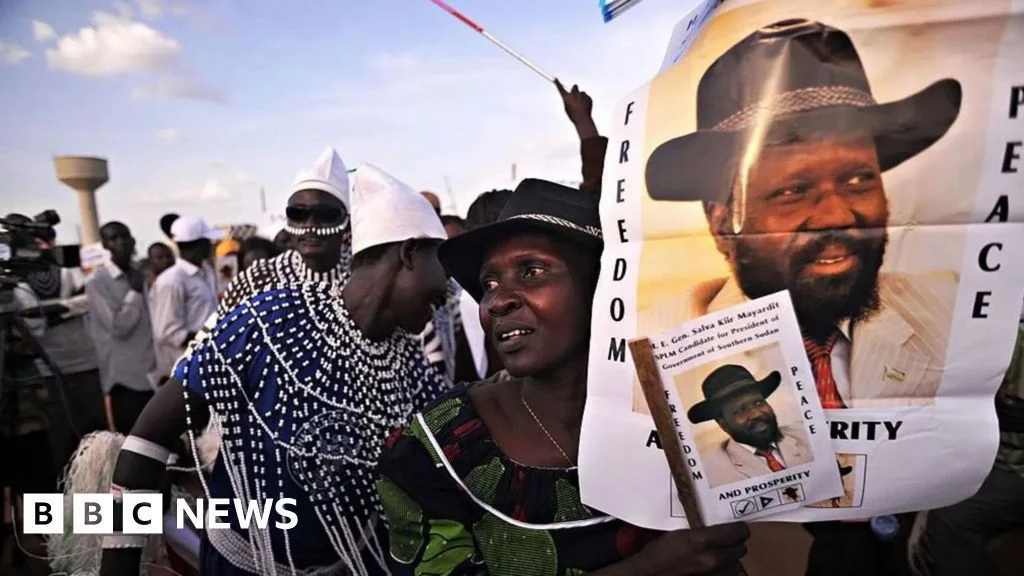
South Sudan President Salva Kiir dissolved the transitional government and parliament on September 22, 2026, three months before the country's first national elections. The move removed all vice-presidents, including suspended rival Riek Machar, consolidating executive power in Kiir's hands. While the government frames this as a necessary step to hold elections, critics and legal analysts argue the action violates the 2018 peace agreement and constitutes a 'constitutional coup' by bypassing required amendment procedures. Heavy security was deployed in the capital, Juba, as the country prepares for polls on December 22.
Key points
- President Salva Kiir signed an amended law on Monday, September 21, and announced the dissolution of the transitional government on Tuesday, September 22, 2026.
- The decree removed all five vice-presidents, dissolved parliament, and ended state governments, leaving Kiir with full constitutional powers until an elected president is sworn in.
- The elections are scheduled for December 22, 2026, marking the first national poll since South Sudan's independence in 2011.
- Opposition leader Riek Machar, who was sacked as vice-president last year and is under house arrest on treason charges, was removed from power along with the other vice-presidents.
- The government claims the move follows a December 2025 agreement to avoid further extensions of the transitional period and prepares the legal framework for voting.
- Critics argue the amendment process violated the 2018 Revitalised Agreement on the Resolution of the Conflict in South Sudan (R-ARCSS) and the Transitional Constitution, rendering the changes ultra vires (beyond legal power).
Background
South Sudan has postponed elections twice since gaining independence in 2011, extending the transitional period multiple times. The current transition was set to end in February 2027. In June 2026, the opposition SPLM-IO warned against participating in poll preparations, threatening to treat election workers as prisoners of war. The 2018 peace deal, which ended a five-year civil war, established a power-sharing arrangement that included multiple vice-presidents to ensure stability.
How outlets are covering it
The government, via Sudans Post, frames the dissolution as a necessary legal step to conduct elections, citing a December 2025 agreement to avoid extensions and noting that the R-ARCSS remains in force. BBC and Al Jazeera report the factual dissolution and note that no prominent figures have announced plans to challenge Kiir in the December poll, highlighting the absence of opposition candidates. In contrast, Radio Tamazuj, through an op-ed by legal scholar Remember Miamingi, argues the move is an unconstitutional 'coup d'état' because it bypassed mandatory amendment procedures in the R-ARCSS and the Transitional Constitution. Al Jazeera and BBC cite analysts who warn that Kiir now wields 'unchecked power' and could potentially delay elections further, while Amnesty International calls the move a 'decisive step' but urges a conducive environment for voting. The opposition SPLM-IO has rejected the changes, with its acting chair warning against participation in the process.
Why it matters
The dissolution of the transitional government and the consolidation of power in Kiir's hands raise significant concerns about the credibility of the upcoming elections and the stability of the 2018 peace agreement. If the legal changes are deemed unconstitutional, it could trigger a constitutional crisis or international intervention by the African Union. The move also risks destabilizing the fragile peace in South Sudan, which has been marked by violence and political tensions since the civil war ended. The outcome of the December elections will determine whether South Sudan can transition to a permanent democratic government or face further political turmoil.
What to watch
The next critical step is the voter registration process, which is expected to begin soon. The government must ensure a conducive environment for voting and campaigning, as warned by Amnesty International. The African Union Peace and Security Council may assess whether the dissolution constitutes an unconstitutional change of government under Article 23(5) of the African Charter on Democracy, Elections and Governance. If so, it could lead to diplomatic measures or sanctions. The opposition SPLM-IO will likely continue to reject the process, potentially leading to further political tensions. The December 22 elections will be the ultimate test of the new legal framework and the stability of the transition.
- Salva Kiir: South Sudan president dissolves government ahead of country's first elections BBC
- South Sudan's Kiir dissolves government, clears hurdles to delayed election Reuters
- Op-Ed| Coup d’État has taken place in South Sudan Radio Tamazuj
- Kiir declares end of long-awaited transitional period ahead of December Polls Sudans Post
- South Sudan’s Kiir dissolves government ahead of first national elections Al Jazeera
Want the full story? Read the original reporting
Read on BBC