
Kiir Dissolves Government, Installs Caretaker Rule Ahead of 2026 Vote
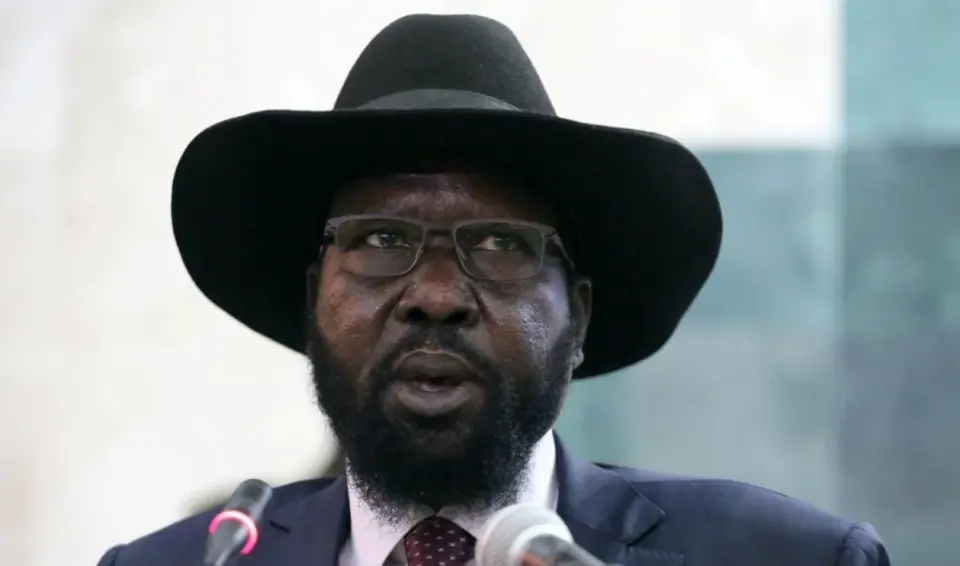
South Sudan President Salva Kiir dissolved the transitional government, legislature, and state administrations on September 22, 2026, to install a caretaker regime ahead of December 22 elections. The move removed First Vice President Riek Machar and all vice-presidents, consolidating power in Kiir’s hands. Analysts warn the abrupt legal changes and security crackdown risk destabilizing the country’s fragile peace.
Key points
- Kiir issued a Republican Order dissolving the transitional unity government, national legislature, and 10 state governments, replacing them with caretaker administrations.
- First Vice President Riek Machar and all four vice-presidents were removed from office immediately, while Kiir retains presidential authority until the new administration is sworn in.
- The dissolution followed amendments to the National Elections Act that removed requirements for a permanent constitution and national census before holding elections.
- Caretaker ministers and governors were appointed across key ministries and states, with strict limits on new debts, international agreements, and political campaigning.
- Heavy military presence and security alerts were reported in Juba, with opposition leader Riek Machar currently jailed on treason charges.
Background
South Sudan gained independence in 2011 but faced a five-year civil war, leading to a 2018 peace agreement that established a transitional government. Elections were originally scheduled for 2018 but were postponed in 2022 and 2024 due to unmet preconditions, including voter registration and army unification. The current caretaker arrangement is set to last until the December 2026 vote.
How outlets are covering it
Radio Tamazuj details the specific caretaker appointments and legal basis of the dissolution, emphasizing the continuity of state institutions. Africanews highlights the controversial nature of the move, noting that analysts view the legal amendments as granting Kiir 'unfettered control' and warning of potential conflict. The New Humanitarian frames the dissolution as part of a broader pattern of stalling tactics, noting the removal of the election commission head and the lack of credible election conditions. While Radio Tamazuj focuses on the administrative structure, Africanews and The New Humanitarian emphasize the political risks and international concerns over the election's legitimacy.
Why it matters
The dissolution of the transitional government and the removal of key opposition figures like Riek Machar raise serious concerns about the fairness and safety of the upcoming elections. The concentration of power in Kiir’s hands, combined with unresolved preconditions and heightened security, could undermine the peace process and potentially trigger renewed conflict in a country already struggling with poverty and instability.
What to watch
The caretaker government will oversee the December 22, 2026, elections, with strict restrictions on political activity and new commitments. The international community, including the UN and IGAD, is monitoring the situation for signs of credible and inclusive elections. The outcome will determine whether South Sudan can transition to a permanent government or face further instability.
- Kiir dissolves government, appoints caretaker administration Radio Tamazuj
- South Sudan's Kiir dissolves government, clears hurdles to delayed election Reuters
- MPs pass election bill keeping Kiir in office as VPs exit Radio Tamazuj
- South Sudan: President dissolves govt as controversy engulfs December poll africanews.com
- Election trouble in South Sudan, the UN’s leadership hunt, and a new global risk map: The Cheat Sheet The New Humanitarian
Want the full story? Read the original reporting
Read on Radio Tamazuj