
Spain's housing crisis deepens as parliament rejects tenant protections, triggering mass protests
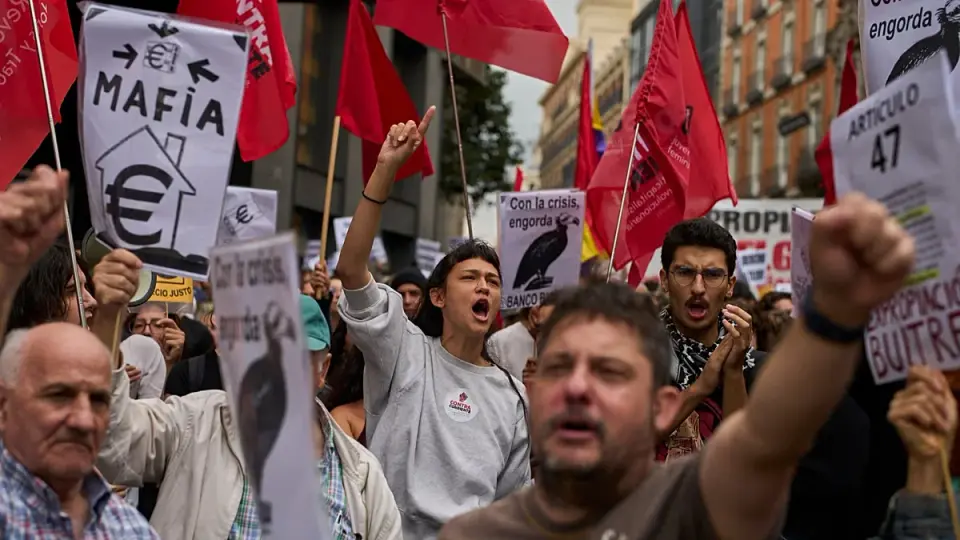
Spanish Prime Minister Pedro Sánchez’s minority government suffered a significant defeat on Friday when parliament rejected two emergency decrees aimed at addressing the housing crisis. The measures, which included automatic lease renewals and restrictions on 'vulture funds,' failed to secure the necessary support from the Catalan party Junts. This legislative failure has intensified nationwide protests, with demonstrators marching in over 50 cities and occupying central squares in Madrid. The crisis was triggered by the eviction of 87-year-old Maricarmen Abascal, who has since been allowed to return to her home on reduced terms. The political impasse has raised speculation that Sánchez may call a snap election earlier than the scheduled 2027 date, as opposition leaders urge him to dissolve parliament.
Key points
- Parliament rejected two housing decrees on Friday, with the first failing by 178 votes to 172 and the second by 184 to 166.
- The decrees included measures such as a ban on evictions of vulnerable tenants until 2030, automatic renewal of rental contracts, and restrictions on investment firms buying properties.
- The Catalan party Junts voted against the measures, citing a lack of rigour, which doomed the legislation given Sánchez's minority status.
- Protests are ongoing in more than 50 cities, with a large encampment in Madrid's Puerta del Sol that has grown to over 1,200 tents.
- The crisis was sparked by the eviction of 87-year-old Maricarmen Abascal, who faced a 275% rent increase from investment firm Urbagestión.
- Opposition leader Alberto Núñez Feijóo urged Sánchez to call early elections, arguing the government lacks support from both the streets and parliament.
Background
Spain's housing crisis has been a long-standing issue, with average rents nearly doubling over the past decade and home prices rising by approximately 90%. The recent escalation began in late September with the eviction of Maricarmen Abascal, an 87-year-old woman who had lived in her Madrid apartment for 70 years. This incident triggered widespread public anger and led to the government's attempt to pass emergency legislation. Previous coverage noted that while Abascal has been allowed to return to her home on reduced terms, the broader political and social tensions remain unresolved, with the government facing pressure from both tenants and landlords.
How outlets are covering it
Outlets differ in their emphasis on the political implications and the specific details of the protest movement. Euronews highlights the disconnect between public demand and parliamentary voting, noting that the Tenants' Union called for marches in over 50 cities. The Guardian focuses on the ideological divide, quoting the People's Party's argument that building more homes is the solution rather than regulation, and notes that the protest camp in Puerta del Sol has grown to over 1,200 tents. BBC provides detailed vote counts and highlights the dramatic appeal by Sánchez and the Sumar alliance's Social Affairs minister, who framed the vote as a defense against an 'international oligarchy.' AP News, while largely obscured by technical code in the provided text, is referenced in the context of the broader political fallout. All sources agree on the core facts: the rejection of the decrees, the role of Junts in the defeat, and the ongoing protests. The Guardian and BBC provide more granular details on the protest infrastructure and parliamentary rhetoric, while Euronews emphasizes the scale of the nationwide mobilization.
Why it matters
The rejection of these housing measures represents a critical failure for Pedro Sánchez's minority government, potentially leading to a snap election and further political instability. The housing crisis is a major concern for Spaniards, with rents and home prices soaring, and the inability of the government to pass protective measures has fueled public anger and social unrest. The outcome of this crisis could influence future housing policies in Spain and the broader European Union, where similar issues are prevalent. Additionally, the political fallout may shift the balance of power in Spanish politics, with the opposition gaining momentum and the ruling coalition facing increased pressure from both the streets and parliament.
What to watch
The government is expected to decide over the weekend whether to dissolve parliament and call a snap election, potentially as early as November. Protesters are calling for a general strike and have vowed to continue their mobilization, with the Tenants' Union announcing plans to move from the central camp to neighborhood-level actions. The political right is likely to press for early elections, while the left may attempt to negotiate further support for housing measures. The situation remains volatile, with the potential for further escalation in both political and social spheres.
- Spain faces housing protests in more than 50 cities after parliament rejects tenant protections Euronews.com
- Spanish right wing votes down housing crisis plans as protest movement grows The Guardian
- Spain's government dealt blow after parliament rejects housing measures. Early election speculated AP News
- Spanish PM Sánchez loses key housing crisis vote after eviction of woman, 87 BBC
- Breakingviews - COMMENTARY: Spain’s rentier euthanasia targets wrong disease Reuters
Want the full story? Read the original reporting
Read on Euronews.com