
Spain’s Snap Election Risks EU’s Center-Left Balance
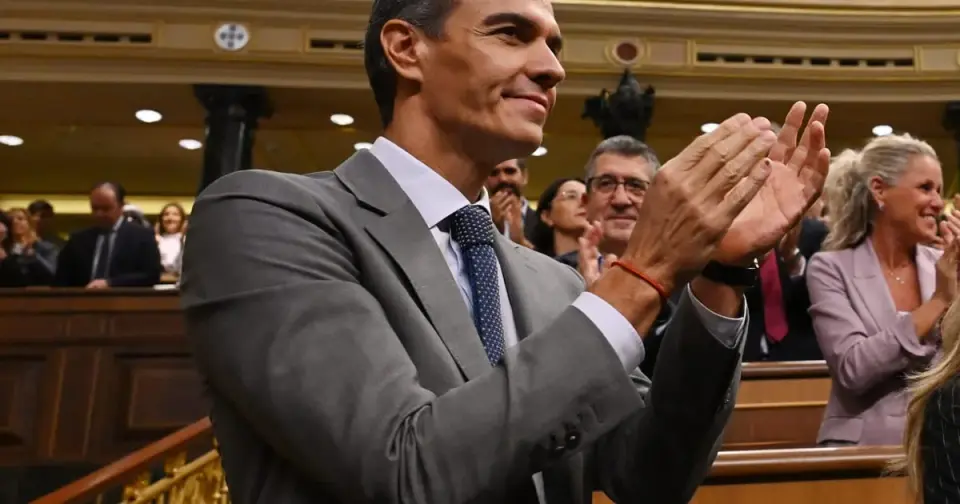
Pedro Sánchez called a snap election for November 29 after his government failed to pass housing measures, triggering mass protests. Polls favor the center-right, but a Sánchez defeat threatens to destabilize the European Parliament by removing the last major center-left leader, potentially weakening the coalition supporting Commission President Ursula von der Leyen.
Key points
- Sánchez called the election after parliament rejected emergency housing laws, including eviction suspensions, following protests sparked by an 87-year-old woman’s eviction.
- Polls suggest the center-right People’s Party (PP) and far-right Vox will likely win, but analysts note Sánchez has a history of electoral comebacks.
- A Sánchez loss would leave the Socialists and Democrats (S&D) without a major prime minister, potentially causing them to withdraw support for von der Leyen.
- The election may disrupt negotiations on the EU’s Multiannual Financial Framework, with the EPP warning against using Spain’s political situation to delay talks.
- Sánchez’s defeat could shift EU policy further right, as the S&D loses its primary counterweight to center-right dominance in the Council.
Background
Sánchez has served as prime minister since 2018, leading a fragile coalition. His government has faced corruption probes and a three-year budget deadlock. The 2024 European elections shifted the Parliament rightward, reducing S&D influence. Spain’s housing crisis, exacerbated by rising rents and tourist rentals, has fueled public anger, with protests ongoing in Madrid’s Puerta del Sol.
How outlets are covering it
Politico emphasizes the structural risk to the EU’s center-left bloc, noting that Sánchez’s absence could push the S&D into a confrontational stance against von der Leyen. BBC focuses on the domestic trigger, highlighting the housing protests and Sánchez’s gamble to mobilize left-wing voters. CNBC frames the election as a market risk, noting that a right-wing government could alter Spain’s stance on China and NATO, while analysts debate whether Sánchez can rally voters despite low approval ratings. All sources agree that a PP-Vox coalition is likely but note Sánchez’s historical ability to surprise.
Why it matters
The outcome will determine whether the EU maintains its current center-right/center-left balance or shifts further right. A Sánchez defeat could weaken the S&D’s leverage in the European Parliament, potentially allowing the EPP to pass legislation with far-right support. It also risks delaying EU budget negotiations and altering Spain’s foreign policy stance on China and NATO, with broader implications for EU cohesion and market stability.
What to watch
The election is scheduled for November 29. If Sánchez loses, the S&D may face a leadership vote on October 21, and von der Leyen could face pressure to make concessions to the EPP. EU budget talks may stall, and Spain’s foreign policy on China and NATO could shift. Protests in Madrid are expected to continue until the election.
- Spanish election threatens to blow up Brussels’ political balance politico.eu
- Spain’s Leader Calls an Early Election The New York Times
- Spain gets a surprise election The Economist
- Spanish prime minister calls snap election after housing protests BBC
- Trump's nemesis in Europe: Why Spain's Sanchez is calling a snap election CNBC
Want the full story? Read the original reporting
Read on politico.eu