
The Bulwark: Voter Apathy and Political Failure Are a Shared American Blame
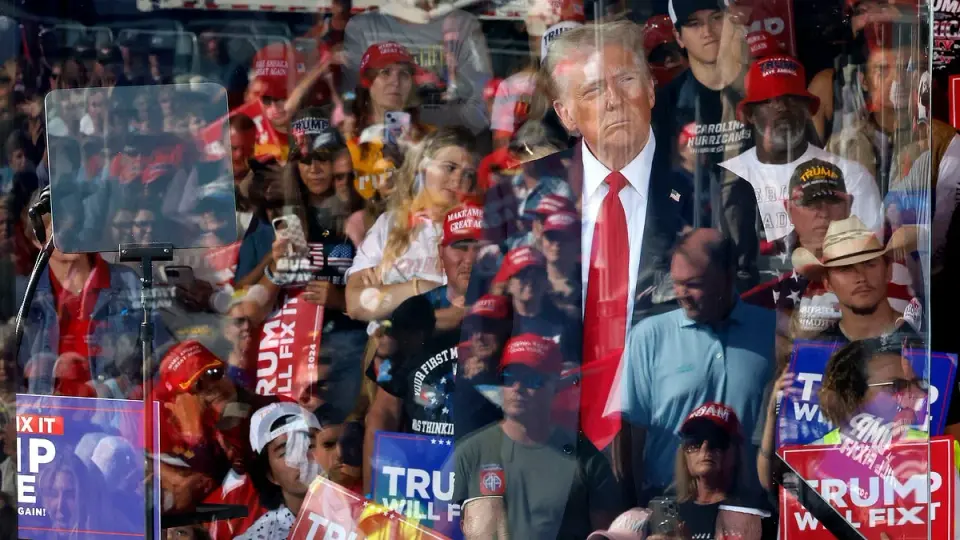
The Bulwark argues that American voters share significant blame for poor political outcomes alongside their representatives. The outlet contends that voter apathy, lack of engagement, and poor decision-making in elections directly enable ineffective governance. This perspective challenges the common narrative that places all responsibility on politicians, suggesting instead that the electorate's failure to hold leaders accountable is a primary driver of systemic dysfunction.
Key points
- The Bulwark asserts that voters are equally responsible for political failures as elected officials.
- The outlet highlights voter apathy and low engagement as key factors enabling poor governance.
- The article argues that voters often fail to hold politicians accountable through their voting choices.
- This perspective shifts focus from blaming politicians to examining the role of the electorate in political outcomes.
Background
This commentary follows a period of heightened scrutiny over election integrity and voter rolls in the US. Recent events include a DHS-led sweep of noncitizens on voter rolls ahead of midterms, the first arrest in a Trump-era voter-fraud crackdown involving a Honduran national in California, and a DOJ probe of Utah's elections chief over voter data demands. Additionally, California voters recently faced divided polls on measures like a billionaire wealth tax and voter ID requirements, reflecting ongoing debates about civic engagement and electoral safeguards.
Why it matters
Understanding the role of voters in political outcomes is crucial for addressing systemic issues in US democracy. If voter apathy and poor decision-making are significant factors, then solutions must focus on increasing civic engagement and holding both politicians and voters accountable. This perspective challenges the common narrative that places all blame on politicians, suggesting instead that a more engaged and informed electorate could lead to better governance.
What to watch
The Bulwark's argument may influence public discourse on voter engagement and political accountability. It could lead to increased focus on civic education and efforts to encourage voter participation. Additionally, it may prompt discussions on how to hold both politicians and voters accountable for political outcomes, potentially influencing future policy and electoral reforms.
Want the full story? Read the original reporting
Read on The Bulwark