
Fedorov’s Wartime Election Call Backfires, Deepening Zelenskyy’s Crisis
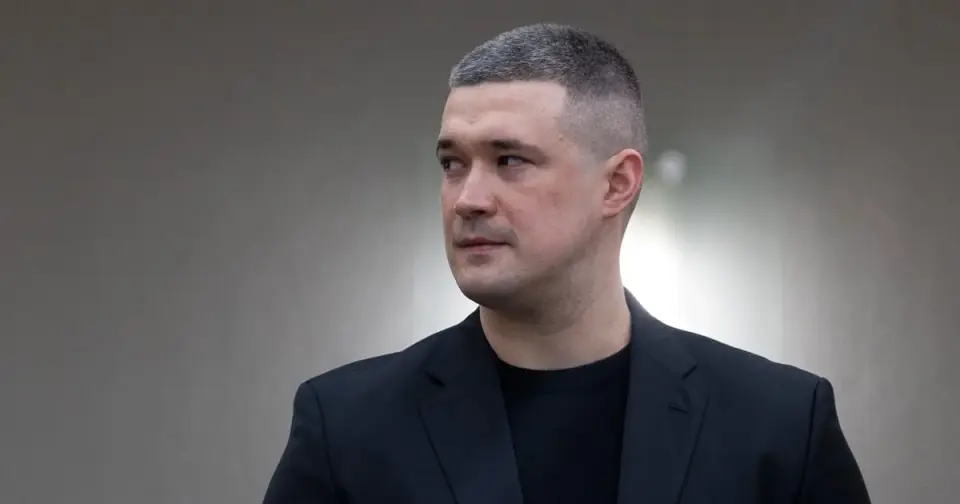
Former Defense Minister Mykhailo Fedorov’s call for wartime elections has triggered a political backlash, with critics arguing it is legally impossible and strategically dangerous. While Fedorov remains popular, the move has intensified scrutiny of President Zelenskyy’s leadership amid ongoing corruption probes and a new defense minister’s confirmation.
Key points
- Fedorov’s video address criticized opaque decision-making and corruption, but his demand for elections was widely rejected as impractical under martial law.
- Zelenskyy’s new defense minister, Yevhenii Khmara, was confirmed by parliament with 312 votes, solidifying the president’s cabinet despite Fedorov’s challenge.
- Polls show Fedorov is highly trusted (63%), but Zelenskyy retains a 56% approval rating, though support for his unilateral powers has dropped significantly since 2022.
- A new anti-corruption probe into a former deputy chief of staff adds to the pressure on Zelenskyy’s administration, which faces allegations of a 'systemic crisis of governance.'
Background
Fedorov was dismissed in July 2026 after pushing for procurement reforms that clashed with entrenched interests. His removal sparked protests, and he has since emerged as a vocal critic of Zelenskyy’s centralized leadership style, which many Ukrainians view as increasingly opaque.
How outlets are covering it
Outlets diverge on the impact of Fedorov’s move. Politico and NBC News frame the election call as a 'blowback' and a 'political error' that weakens Fedorov’s future candidacy by highlighting the impossibility of voting during active war. CNN emphasizes the strategic risk, noting that a botched election would gift Moscow a narrative of illegitimacy and potentially cripple Kyiv’s legislative process. Time Magazine focuses on the logistical impossibility, citing the lack of a ceasefire and the inability to count votes in occupied territories. While all sources agree the election is unlikely, they differ on whether it strengthens or weakens Fedorov’s position as a potential rival.
Why it matters
The controversy highlights a deepening legitimacy crisis for Zelenskyy. As corruption probes intensify and public trust in his unilateral decision-making erodes, the debate over wartime elections underscores the tension between democratic ideals and the practical realities of a prolonged conflict. It also signals a potential shift in Ukraine’s political landscape, where a new generation of reformers may challenge the current power structure.
What to watch
Zelenskyy is expected to face continued pressure to restore parliamentary control and address corruption allegations. The confirmation of Khmara as defense minister suggests the administration will maintain its current course, but the political fallout may force concessions on transparency and governance in the coming months.
- Zelenskyy’s rival Fedorov overplays his hand with election push politico.eu
- Analysis: Call for wartime elections in Ukraine piles pressure on Zelensky when he least needs it CNN
- Zelenskyy Faces Pressure to Hold Elections. What Stands in the Way? Time Magazine
- A rival’s bombshell and a new corruption probe heap untimely pressure on Ukraine’s Zelenskyy NBC News
- Ukraine's ousted defence minister calls for wartime elections Reuters
Want the full story? Read the original reporting
Read on politico.eu