
US Ambassador Guilfoyle’s Balkan Energy Push Sparks Controversy Over Private Lobbyist Ties
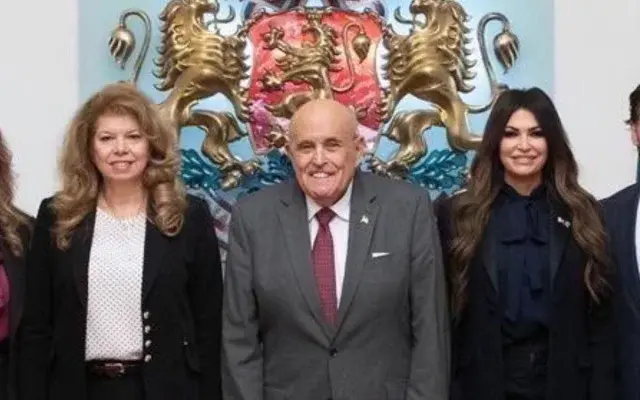
US Ambassador to Greece Kimberly Guilfoyle has faced scrutiny for promoting a specific Greek company, Aktor, in her efforts to sell American liquefied natural gas (LNG) across Southeast Europe. Investigations reveal that a private lobbyist, Christos Marafatsos, frequently accompanied her to high-level diplomatic meetings without disclosing his commercial ties. While the administration frames this as advancing US energy independence from Russia, critics argue it blurs the line between state diplomacy and private corporate interests.
Key points
- Guilfoyle directed Bulgarian officials to partner with Aktor, a Greek construction firm expanding into energy, during a visit to Sofia.
- Christos Marafatsos, a registered lobbyist for Aktor, attended meetings with foreign leaders alongside Guilfoyle, often without revealing his affiliation.
- Aktor and Greece’s state-owned DEPA formed a joint venture, Atlantic-SEE, to supply US LNG to countries including Albania, Bulgaria, and Romania.
- A $6 billion agreement in Albania was signed, though Ukraine has since suspended talks with the joint venture.
- Marafatsos earned over $440,000 in lobbying fees from Greek companies, including Aktor, to build connections with US government agencies.
Background
The US administration has prioritized the 'Vertical Gas Corridor' to reduce European reliance on Russian energy by routing US LNG through Greece. This initiative follows broader diplomatic efforts to strengthen ties with Eastern European allies, a strategy highlighted in recent NATO security discussions regarding regional threats and energy independence.
How outlets are covering it
The Wall Street Journal and Mediaite emphasize the irregularity of a private lobbyist accompanying a US ambassador, noting that Marafatsos lacked diplomatic experience and failed to disclose his ties to Aktor. They highlight concerns that Guilfoyle’s actions served private interests over national ones. Conversely, Guilfoyle’s attorney and the White House defend her actions as effective advocacy for US energy goals, asserting that her meetings were arranged through official channels. Aktor’s lawyers argue their involvement in the gas corridor began before any contact with the ambassador, positioning the company as a neutral alternative to Russian-linked competitors. Romanian media outlets focused on the intersection of corporate and diplomatic interests, questioning where US policy ends and private profit begins.
Why it matters
The controversy raises significant questions about the integrity of US foreign policy and the potential for conflicts of interest in energy diplomacy. If confirmed, the preferential treatment of a single corporate partner could undermine trust among European allies and set a precedent for private interests influencing state-level negotiations. It also highlights the growing influence of non-traditional diplomatic figures in shaping US energy strategy in the Balkans.
What to watch
The US State Department may face increased scrutiny over its oversight of ambassadorial activities. European governments, particularly in the Balkans, may reassess their energy partnerships to ensure transparency. Further investigations could reveal whether other US officials have engaged in similar practices, potentially leading to policy reforms regarding lobbyist involvement in diplomatic missions.
- US Ambassador Pressed Bulgaria to Buy LNG Through Greek Company Novinite.com
- The Mystery Man Shadowing Kimberly Guilfoyle as She Pushes Deals Across Europe WSJ
- Who is Christos Marafatsos, the Greek-American businessman accompanying Kimberly Guilfoyle to key meetings? The Times of India
- Kimberly Guilfoyle’s Close Ties to ‘Mystery Man’ Lobbyist Reportedly Baffle Euro Officials Mediaite
- WSJ raises questions over Kimberly Guilfoyle’s role in Greek LNG deals and adviser’s ties to Aktor Greek City Times
Want the full story? Read the original reporting
Read on Novinite.com