
Kenya's Universal Basic Income Experiment: Key Findings and Implications
TL;DR
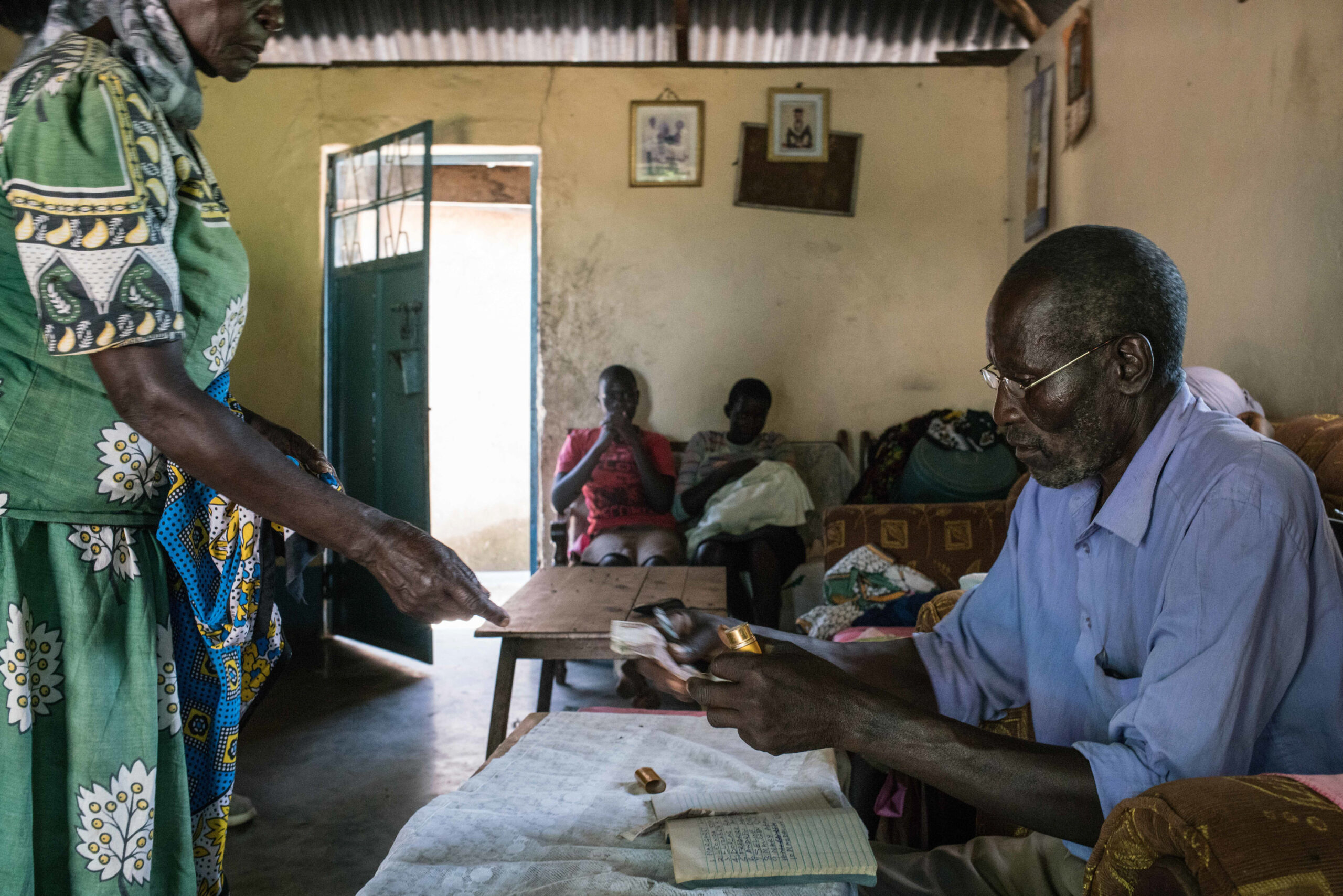
The first findings from a universal basic income experiment in Kenya, conducted by charity GiveDirectly, have been released. The study provided cash grants of $50 per month for 12 years to thousands of villagers, comparing their outcomes to control groups. The results showed that giving cash aid in a lump sum had major advantages, with recipients starting more businesses and earning higher revenues compared to those receiving monthly installments. The study also found that the universal nature of the aid increased its impact, and the grants did not fuel inflation. The long-term effects of lump-sum payments are still being studied.
Topics:worldsocial-impact#cash-grants#kenya#lump-sum-payments#poverty-alleviation#social-impact#universal-basic-income
- Key findings released in Kenya universal basic income experiment Alaska Public Media News
- Monthly cash payments might not be the best option for universal basic income: study Business Insider
- Giving the poor a wodge of cash is better than dripping it out The Economist
- It’s one of the biggest experiments in fighting global poverty. Now the results are in Oregon Public Broadcasting
Want the full story? Read the original reporting
Read on Alaska Public Media News