
AI-Generated 'Pity Scams' Target Veterans with Fake Injury Stories
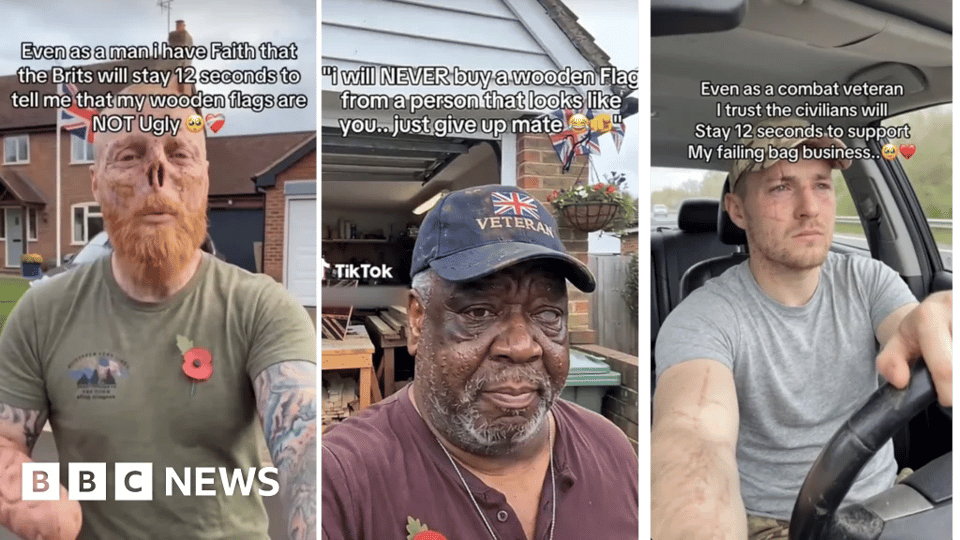
A wave of AI-generated 'pity scams' is exploiting social media to sell cheap goods by fabricating stories of injured veterans. British Army veteran Raymond Gilbert lost £154.99 to a TikTok account posing as a disabled ex-soldier, receiving a Chinese-made flag instead of a handmade item. Experts warn these sophisticated videos are increasingly difficult to distinguish from reality, while platforms like TikTok, Meta, and YouTube have removed flagged accounts. Charities fear the scams erode public trust in legitimate veteran support organizations.
Key points
- Raymond Gilbert, a 63-year-old British Army veteran, was defrauded by a TikTok account claiming to belong to an injured ex-serviceman, resulting in the purchase of a £154.99 flag that was actually manufactured in China.
- The BBC identified 45 similar TikTok accounts, along with listings on Facebook, Instagram, and YouTube, selling military-themed items like bags and chopping boards using AI-generated videos of fake veterans.
- Technology expert Will Guyatt noted that these 'pity scams' are now nearly indistinguishable from reality, with creators using chatbots to enhance emotional appeal and bot accounts flooding comments to drive sales.
- TikTok, Meta, and YouTube confirmed they removed the flagged content and accounts, citing policies against deceptive practices and harmfully misleading AI-generated content.
- Veteran charities, including Help for Heroes and Alabaré, warned that these scams damage the reputation of legitimate support services and may reduce public willingness to donate to genuine causes.
Background
This incident follows a broader trend of AI misuse in 2026, including warnings from experts like Terence Tao about AI's potential to erode trust and transparency, as well as U.S. concerns over Chinese firms distilling American AI models. While previous AI debates focused on scientific integrity and geopolitical competition, this case highlights the immediate consumer harm caused by deepfake technology in social commerce.
Why it matters
The rise of hyper-realistic AI scams poses a direct threat to vulnerable populations and charitable ecosystems. As detection becomes harder, the integrity of online transactions and public trust in veteran support networks are at risk, necessitating stronger platform enforcement and consumer vigilance.
What to watch
Platforms will likely continue removing flagged accounts, but scammers may create new ones. Consumers are advised to verify product origins and check for AI artifacts, while charities may need to intensify efforts to distinguish themselves from fraudulent operations.
Want the full story? Read the original reporting
Read on bbc.com