
Ukraine kills Russian general days after he received Hero of Russia medal for disputed city claim
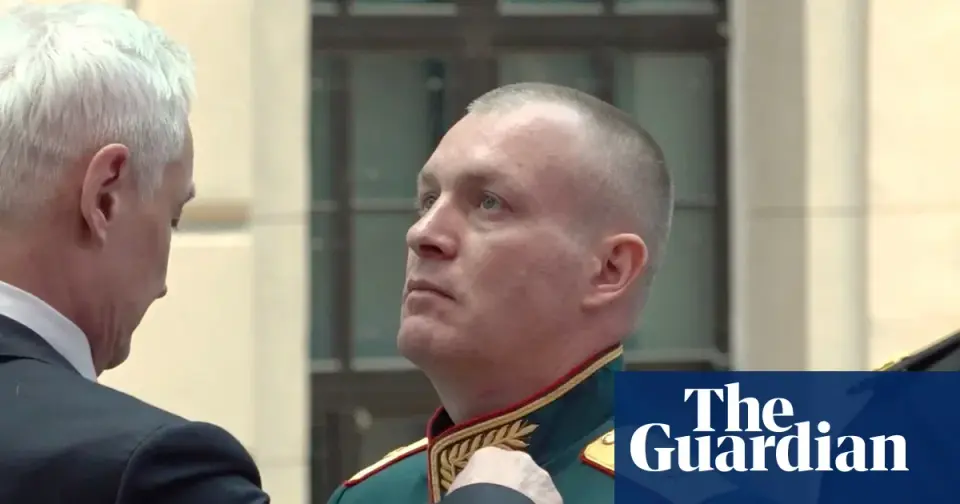
Ukrainian drone forces killed Major General Anton Grunis on September 12, just weeks after he received Russia’s highest military honor for claiming the capture of Kostiantynivka, a city Ukraine and Western analysts say remains contested. The death highlights the gap between Russian propaganda and battlefield reality, as Grunis had personally briefed Vladimir Putin on the supposed victory. Meanwhile, Russian strikes killed five in a bus attack and injured others across Ukraine, while a Russian drone recovered in the Baltic Sea near Poland has sparked a legal investigation. Britain also named a 40-year-old intelligence officer, Maj Paul Wilks, who died in a road crash in Ukraine.
Key points
- Ukrainian drone commander Robert Brovdi confirmed the killing of Maj Gen Anton Grunis on September 12, calling him the seventh Russian commander eliminated by his units.
- Grunis received the Gold Star Hero of Russia medal in late August after claiming his troops captured Kostiantynivka in Donetsk, a claim disputed by Ukraine and the Institute for the Study of War.
- Russian airstrikes injured three in Odesa and damaged buildings in Kyiv, while a drone strike on a bus near Nikopol killed five people.
- Polish authorities recovered a Russian Gerbera-2 drone from the Baltic Sea and are investigating whether legal proceedings can be launched against Russia.
- Britain’s defence ministry named Maj Paul Wilks, a 40-year-old intelligence officer, who died in a road crash in Ukraine on September 12.
Background
This incident follows a pattern of Russian military leaders being killed or targeted, including a former Ukrainian submarine commander who defected to Russia and was killed in Sevastopol in August 2026. It also follows earlier Russian claims of capturing Sviatohirsk using AI-generated footage, which were exposed as false. The broader context includes ongoing disputes over Russian territorial claims in eastern Ukraine and the impact of Ukrainian drone strikes on Russian oil refineries, which have led to export bans on diesel.
How outlets are covering it
The Guardian and The Moscow Times report the killing of Grunis and the disputed status of Kostiantynivka, noting that the Institute for the Study of War says Russian forces have not fully seized the city. TVP World adds that pro-Kremlin bloggers suspect informers gave away Grunis’s location. The Daily Beast frames the killing as part of a broader pattern of assassinations and battlefield deaths that have made Putin more paranoid about the safety of his military brass. All sources agree on the basic facts of Grunis’s death and the award, but differ in emphasis: The Guardian and The Moscow Times focus on the disputed territorial claim, while The Daily Beast focuses on the political implications for Putin.
Why it matters
The killing of a high-ranking Russian general who had just been decorated for a disputed victory underscores the gap between Russian propaganda and battlefield reality. It also highlights the effectiveness of Ukrainian drone forces in targeting senior Russian commanders. The incident may affect Russian morale and propaganda efforts, as well as the broader narrative of the war. The recovery of a Russian drone in the Baltic Sea and the legal investigation in Poland also raise questions about the spillover effects of the war into European security.
What to watch
Ukraine is likely to continue targeting Russian commanders and infrastructure, while Russia may intensify its information campaigns to counter the loss of a high-profile general. The legal investigation in Poland could lead to further diplomatic tensions between Russia and the EU. The fate of the Kostiantynivka front remains uncertain, as fighting continues in the area.
- Ukraine war briefing: Drone kills Russian commander just decorated after fake victory claim The Guardian
- Ukrainian drone commander says his forces killed decorated Russian general reuters.com
- Russian general decorated by Putin killed by Ukraine drones TVP World
- Russian General Who Oversaw Capture of Ukraine’s Kostiantynivka Dies The Moscow Times
- Vladimir Putin’s Nightmare Deepens as High-Profile General Is Wiped Out thedailybeast.com
Want the full story? Read the original reporting
Read on The Guardian