
Rostov Region Faces Second Consecutive Night of Drone Strikes, with 50+ Intercepted
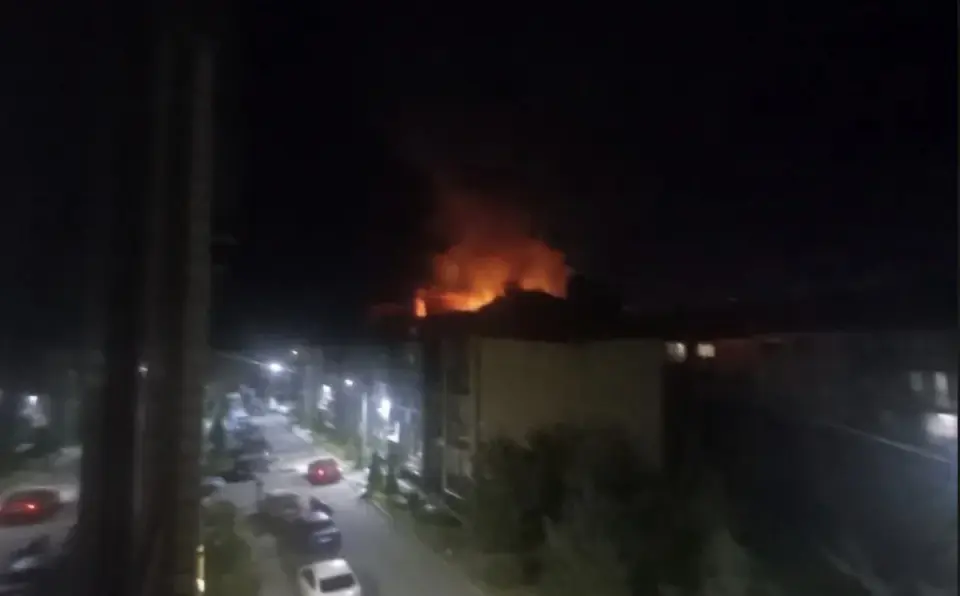
Ukraine launched a large-scale drone attack on Russia’s Rostov Oblast overnight on Sept. 18, with more than 50 drones intercepted across multiple districts. Governor Yuri Slyusar reported no injuries but confirmed damage to homes, vehicles, gas pipelines, and power lines. The strike followed a Sept. 17 attack on the Rostov-Central military airfield, which Ukraine’s Security Service claimed damaged three aircraft and three helicopters. While Ukrainian monitoring channels alleged the airbase was targeted again, independent verification remains lacking. This marks the second consecutive night of significant strikes in the region, continuing a pattern of Ukrainian deep-strike operations against Russian military and energy infrastructure.
Key points
- More than 50 drones were intercepted over Rostov-on-Don, Taganrog, Bataysk, and five other districts in Rostov Oblast on Sept. 18, according to Governor Yuri Slyusar.
- The attack caused damage to five private houses, four vehicles, gas pipelines, and power lines in the city of Azov, with no reported injuries.
- Ukraine’s Security Service (SBU) claimed a Sept. 17 strike on the Rostov-Central military airfield damaged an An-12 transport plane, two An-26 aircraft, and three helicopters, causing fires and explosions.
- Ukrainian monitoring channels, including Supernova and Crimean Wind, reported footage of air-defense fire and fires near the airfield on Sept. 18, but these claims could not be independently verified.
- Russia’s Defense Ministry has not provided details about the Sept. 18 attack, relying only on regional authorities’ statements, while Ukraine has not officially confirmed responsibility for the overnight strikes.
Background
This incident follows a Sept. 17 Ukrainian strike on the same Rostov-Central airfield, which Ukraine claimed damaged multiple military aircraft. The region has also faced repeated drone attacks on oil refineries, including the Afipsky and Novoshakhtinsk facilities, as part of a broader Ukrainian campaign targeting Russian energy and military infrastructure. These strikes occur amid escalating tensions, including Russian threats against Poland and increased hybrid warfare concerns in Europe.
Why it matters
The repeated targeting of Rostov’s military airfield and infrastructure highlights Ukraine’s sustained capability to conduct deep-strike operations against Russian strategic assets. The consecutive nights of attacks underscore the intensity of the conflict and the potential impact on Russian military logistics and energy supply. The lack of independent verification for some claims, however, complicates the assessment of actual damage and effectiveness.
What to watch
Russia may increase air-defense measures in the Rostov region in response to the repeated strikes. Ukraine could continue targeting military and energy infrastructure in Russia, potentially escalating the conflict. Independent verification of the damage to the airfield and other facilities will be crucial for assessing the impact of these operations. The situation may also influence broader diplomatic and military discussions, including potential sanctions or support for Ukraine.
Want the full story? Read the original reporting
Read on Kyiv Post