
"Japan's Earthquake Resilience Tested: Architecture, Landslides, and the Search for Survivors"
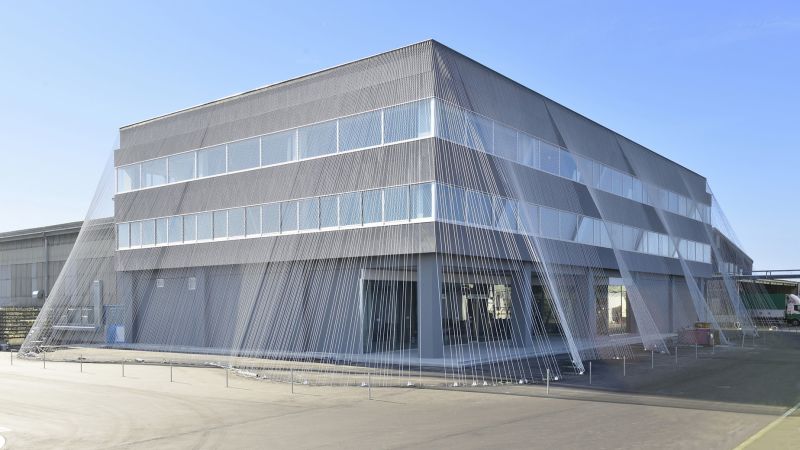
Japan has a long history of earthquake-proofing its architecture, a practice that has evolved significantly since the Great Kanto earthquake over a century ago. Modern Japanese buildings incorporate advanced technologies like dampers and base isolation systems to withstand seismic activity. Traditional techniques, such as the use of central pillars called "shinbashira" in pagodas, also contribute to the resilience of structures. Japan's strict building codes, particularly the "shin-taishin" standards introduced in 1981, have significantly improved the safety of new buildings. Architects and engineers in Japan continue to innovate, with recent developments in carbon fiber rods and cross-laminated timber, while the country's architecture schools emphasize the integration of design and structural engineering. Despite these advancements, the true test of these disaster-proof designs will only be confirmed by future earthquakes.
- How Japan spent more than a century earthquake-proofing its architecture CNN
- Japan searching for earthquake survivors as death toll rises NBC News
- Japan earthquake: Video shows buildings swept away by landslide in Wajima BBC.com
- Over 240 still missing after earthquake in Japan | DW News DW News
- Photos: Japan coastline shifts 820 feet after quake Business Insider
Want the full story? Read the original reporting
Read on CNN