
Archbishop of Canterbury revokes 9/11 interfaith award after cleric's praise of bin Laden resurfaces
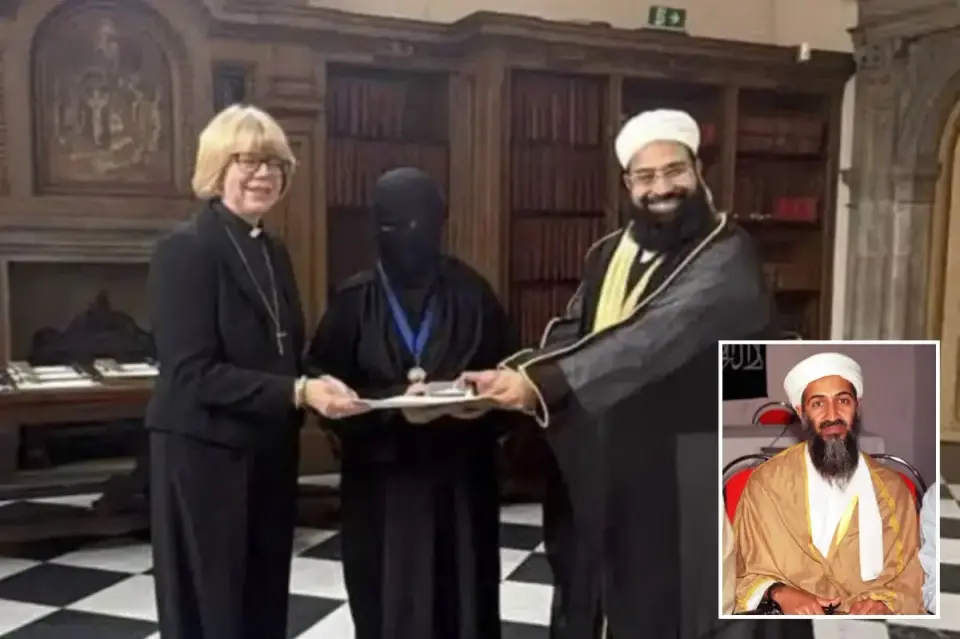
Dame Sarah Mullally, the first female Archbishop of Canterbury, withdrew the Hubert Walter Award for Reconciliation and Interfaith Cooperation from Pakistani cleric Hafiz Muhammad Tahir Mehmood Ashrafi. The award was originally presented on September 11, 2026, the 25th anniversary of the 9/11 attacks, but rescinded days later after 2007 comments in which Ashrafi praised bin Laden as a 'sword of God' resurfaced. Lambeth Palace cited the comments as incompatible with interfaith principles, while Ashrafi claimed the remarks were taken out of context. Critics question the lack of due diligence, and some warn the reversal could provoke backlash against Christians in Pakistan.
Key points
- Dame Sarah Mullally awarded the Hubert Walter Award to Hafiz Muhammad Tahir Mehmood Ashrafi on September 11, 2026, at Lambeth Palace in London, recognizing his work for religious tolerance in Pakistan.
- Lambeth Palace withdrew the award on September 17, 2026, after 2007 comments by Ashrafi praising Osama bin Laden and supporting Pakistan's blasphemy laws resurfaced.
- Ashrafi described bin Laden as a 'mujahid' fighting for Islam against Western powers and called him 'Saifullah' (Sword of God) in 2007, following the British knighthood of author Salman Rushdie.
- Ashrafi denied the comments were out of context, calling the backlash an 'unfair campaign' aimed at smearing him, and stated his remarks were a response to Muslim hurt over Rushdie's knighthood.
- Former Anglican bishop Michael Nazir-Ali warned that the award's revocation could be perceived as a dishonor to Islam and Pakistan, potentially triggering a backlash against Christians in Pakistan.
- Nazir-Ali criticized the lack of due diligence in the award process but acknowledged that Ashrafi had previously helped the Christian community in Pakistan, including in the case of Rimsha Masih.
Background
The controversy emerged on the 25th anniversary of the 9/11 attacks, a period marked by the U.S. government's release of 71 declassified CIA presidential daily briefs from 1998 to 2001. These briefs detailed intelligence warnings about bin Laden and al-Qaeda's intent to strike the United States, including potential hijackings, though they did not reveal a specific plot timeline. The timing of the award and its subsequent revocation coincided with heightened public scrutiny of pre-9/11 intelligence failures and the legacy of bin Laden's network.
How outlets are covering it
The New York Post emphasized the embarrassment of the award's revocation and Ashrafi's defense that his comments were taken out of context. Crux highlighted concerns from former Anglican bishop Michael Nazir-Ali that the reversal could provoke a backlash against Christians in Pakistan, noting that Ashrafi had previously aided the Christian community. Lambeth Palace's official statement focused on the principle of interfaith dialogue while confirming the withdrawal due to Ashrafi's past comments. The Telegraph was inaccessible due to a security block, so no perspective could be extracted.
Why it matters
The incident raises questions about the vetting processes for interfaith awards and the potential real-world consequences of such decisions for vulnerable religious minorities in Pakistan. It also underscores the ongoing sensitivity surrounding bin Laden's legacy and the 9/11 attacks, particularly as the U.S. government released declassified intelligence briefs on the 25th anniversary. The controversy may impact interfaith relations in Pakistan and highlight the risks of insufficient due diligence in high-profile religious awards.
What to watch
Lambeth Palace has contacted Ashrafi to inform him of the award's withdrawal, but neither party has responded to requests for comment. The situation may lead to further scrutiny of the Church of England's vetting processes for interfaith awards. In Pakistan, the reaction to the award's revocation could influence the safety and status of the Christian community, as warned by Nazir-Ali. The U.S. government's release of 71 CIA briefs on bin Laden may continue to shape public discourse on 9/11 and counterterrorism efforts.
- First female Archbishop of Canterbury revokes award she gave on 9/11 to Muslim cleric who praised bin Laden New York Post
- Anglican interreligious gaffe could create backlash against Pakistani Christians, says former Anglican bishop Crux | Taking the Catholic Pulse
- The image that exposes Sarah Mullally’s terrifying naivety The Telegraph
- Statement from Lambeth Palace Archbishopofcanterbury.org
- Archbishop of Canterbury revokes award from Pakistani cleric who praised Osama bin Laden The Jerusalem Post
Want the full story? Read the original reporting
Read on New York Post