
Indonesia Detains Three Police Generals Over Alleged Wiretapping of President Prabowo
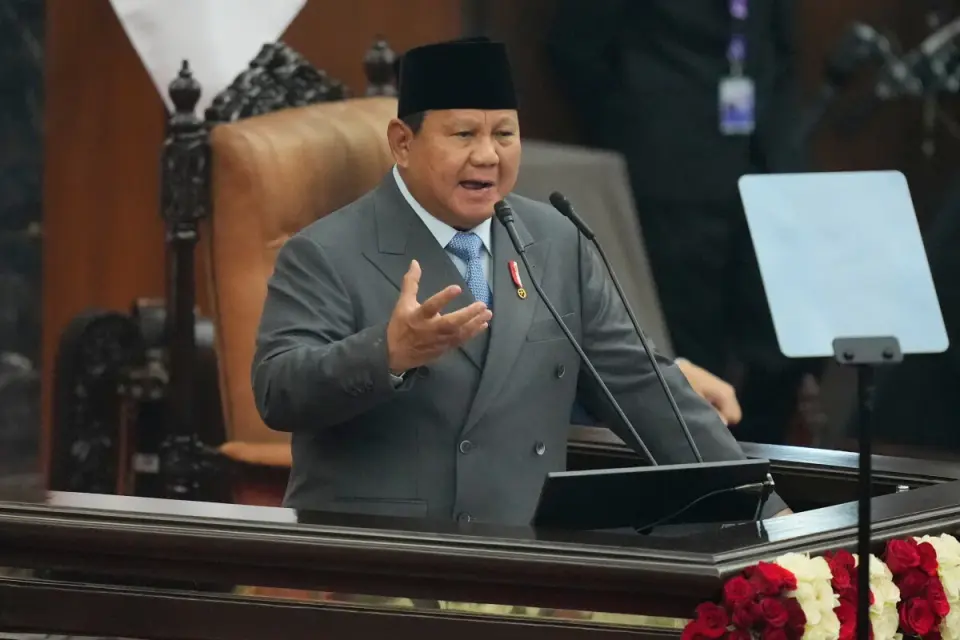
Indonesian authorities have detained three senior police generals, including former national police chief Listyo Sigit Prabowo, over allegations of illegal wiretapping targeting President Prabowo Subianto and other high-profile figures. The scandal has triggered a massive military deployment of nearly 21,000 troops to Jakarta and prompted officials to frame the surveillance as a potential act of treason. While the military describes the troop movement as standard security procedure, analysts suggest the crisis reflects deepening political tensions within the ruling coalition and concerns over the president’s declining approval ratings.
Key points
- Three senior police generals—Listyo Sigit Prabowo, Ahrie Sonta Nasution, and Eko Hadi Santoso—were detained on Sunday and charged with illegal interception of communications, unlawful access to electronic systems, and deletion of electronic data.
- Police allege the unauthorized wiretapping occurred between 2025 and 2026, targeting the president, cabinet officials, politicians, journalists, and business executives, with files allegedly deleted in late October to conceal evidence.
- President Prabowo Subianto dismissed Listyo Sigit Prabowo from his role as presidential chief of staff on Wednesday, following the announcement of the suspects’ detention.
- The Indonesian military deployed 20,980 troops and personnel to Jakarta, with an additional 13,140 on standby, though officials stated the deployment was standard procedure and not necessarily linked to the wiretapping probe.
- Government officials, including state secretary Prasetyo Hadi and coordinating minister Yusril Ihza Mahendra, stated that the alleged surveillance could be considered conduct leading toward treason, potentially endangering state interests and national leadership.
- Investigators are examining whether the operation aimed to paralyze the government, with potential charges under Article 191 of Indonesia’s Criminal Code, which carries penalties up to the death sentence.
Background
This scandal unfolds amid broader political and economic challenges in Indonesia, including a significant stock market decline and concerns over fiscal discipline. The detention of Listyo Sigit Prabowo, a close ally of former President Joko Widodo, highlights growing tensions within the ruling coalition, as Prabowo consolidates power and removes figures associated with his predecessor. The crisis also follows recent legal issues involving Vice-President Gibran Rakabuming Raka, whose eligibility to hold office was questioned after the Supreme Court annulled his high school equivalency certificate.
How outlets are covering it
AP News emphasizes the national security implications of the alleged wiretapping, highlighting officials’ claims that the surveillance could constitute treason and the massive military deployment to Jakarta. Financial Times focuses on the political dimensions of the scandal, noting how the arrests and troop movements reflect fraying ties within the ruling coalition and the president’s declining approval ratings. While AP News attributes the troop deployment to standard security procedures, Financial Times suggests the crisis may be driven by political motives, with analysts pointing to the consolidation of power by Prabowo and the removal of Joko Widodo allies. Both outlets agree that the suspects have not publicly responded to the allegations, but Financial Times provides additional context on the economic and political pressures facing the president, including stock market losses and downgrade warnings.
Why it matters
The alleged wiretapping of Indonesia’s president and other high-profile figures raises serious concerns about national security, political stability, and the rule of law. The detention of senior police generals and the framing of the incident as potential treason could have significant implications for the country’s governance and international reputation. Additionally, the crisis highlights the fragility of the ruling coalition and the potential for political instability as the president faces economic challenges and declining public support. The massive military deployment, while described as standard procedure, underscores the sensitivity of the situation and the government’s efforts to maintain control amid the scandal.
What to watch
Investigators will continue to examine the motive and ultimate objective of the alleged wiretapping operation, potentially pursuing additional charges under Article 191 of Indonesia’s Criminal Code. The suspects may face further legal proceedings, and the outcome of the investigation could influence political dynamics within the ruling coalition. The government may also take steps to address public concerns about security and political stability, while the military deployment in Jakarta is expected to continue as a precautionary measure. The scandal may also impact Indonesia’s international relations and investor confidence, given the president’s declining approval ratings and economic challenges.
- Indonesia deploys thousands of troops after generals arrested over wiretapping allegations AP News
- Troops deployed in Indonesia as president sacks aide accused of wiretapping Reuters
- Indonesia deploys 20,000 soldiers as wiretapping scandal erupts Financial Times
- Indonesia government says ex-police chief may have committed 'treason' by wiretapping president CNA
- Indonesia deploys thousands of troops to Jakarta after alleged wire-tapping operation targeting president DW.com
Want the full story? Read the original reporting
Read on AP News