
Iran Rejects US Response, Demands Full Address of Seven Conditions to Reopen Hormuz
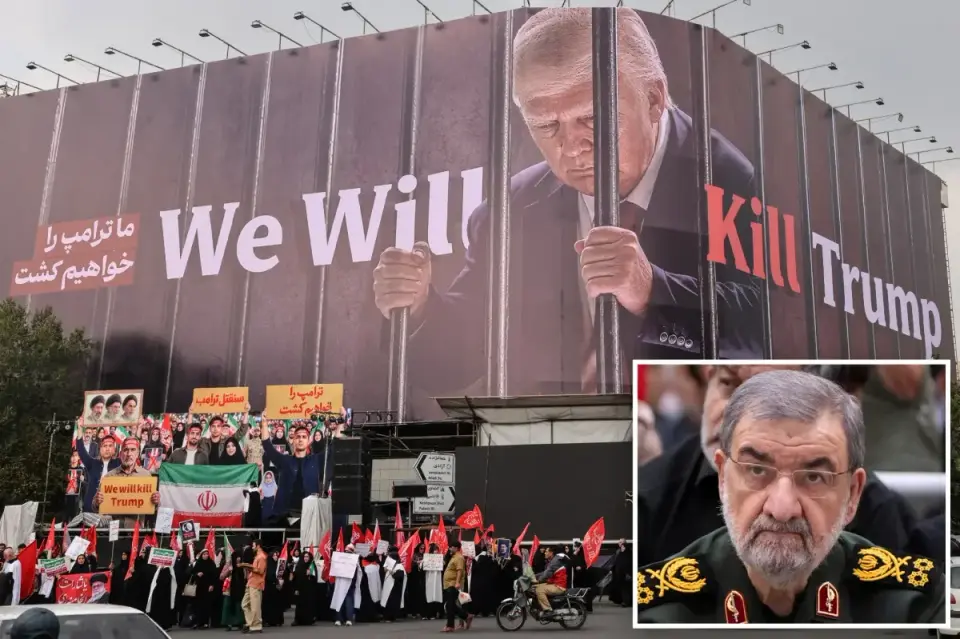
Iran has rejected the latest US response to its peace proposal, demanding that Washington 'fully and explicitly' address its seven conditions, including lifting the naval blockade and releasing frozen assets. Iranian officials state the Strait of Hormuz could reopen within two days of an agreement, but hardliners are preparing the public for renewed war. While Qatar continues mediating indirect talks, US President Trump has signaled he may resume strikes after the midterm elections if no deal is reached.
Key points
- Iranian Security Chief Mohsen Rezaei criticized the US response as unconvincing, insisting Tehran’s seven-point plan is the only viable path to peace.
- The seven demands include US payment for war damages, an end to economic pressure, release of frozen assets, and a permanent end to hostilities across all fronts, including Lebanon and Gaza.
- Foreign Minister Abbas Araghchi suggested the Strait of Hormuz could reopen within two days of a deal, with nuclear issues deferred to a later phase.
- Trump stated he would end the conflict 'one way or the other' soon, hinting at potential strikes after the November 4 midterm elections.
- Qatari mediators are in active contact with both sides, but a senior Iranian official told Reuters that the two nations remain far from an agreement.
Background
This standoff follows a brief June ceasefire that collapsed when Iran began targeting ships in the Strait of Hormuz. The current conflict, which began in February, has included Iranian attacks on Gulf states like the UAE in retaliation for US strikes. Previous negotiations in September failed as Iran rejected concessions from mediators, leading to the current high-stakes diplomatic push.
How outlets are covering it
The New York Post and Iran International highlight the internal division in Tehran, with hardline media preparing the public for war while reformists advocate for diplomacy. CBS News emphasizes the 'ball is in the US court' narrative from Iranian spokespersons, contrasting it with Trump’s veiled threats of military action. The New York Times focuses on the specific timeline for reopening the Strait of Hormuz, noting that while progress is being cited, the gap between US and Iranian positions remains wide. All sources agree that Qatar is the primary mediator, but they differ on the likelihood of a deal before the US midterm elections.
Why it matters
The outcome of these negotiations determines whether the Middle East returns to active warfare or achieves a fragile peace. A failure to reach a deal could trigger a new round of US strikes and Iranian retaliation, potentially expanding the conflict to European US bases and disrupting global energy supplies through the Strait of Hormuz.
What to watch
Watch for the US midterm election results on November 4, which Trump has linked to his decision on military action. Monitor for any announcements from Qatari mediators regarding the next round of talks in Doha or Tehran, and observe if Iran begins to reopen the Strait of Hormuz as promised.
- Iran slams US response to negotiations, demands America 'fully and explicitly' address its 7 outlandish conditions New York Post
- Iran plays down hope for deal to end war after new U.S. strikes on eve of midterm elections CBS News
- Iran says US reply to Hormuz plan ‘unconvincing’; Trump confirms strikes Al Jazeera
- Tehran’s factions weigh Doha talks as hardliners prepare the public for war Iran International
- Iran Says It Would Reopen Strait of Hormuz in 2 Days as Part of U.S. Deal The New York Times
Want the full story? Read the original reporting
Read on New York Post