
Kyiv Accepts Combined Energy and Black Sea Truce Amid Four-Nation Proposals
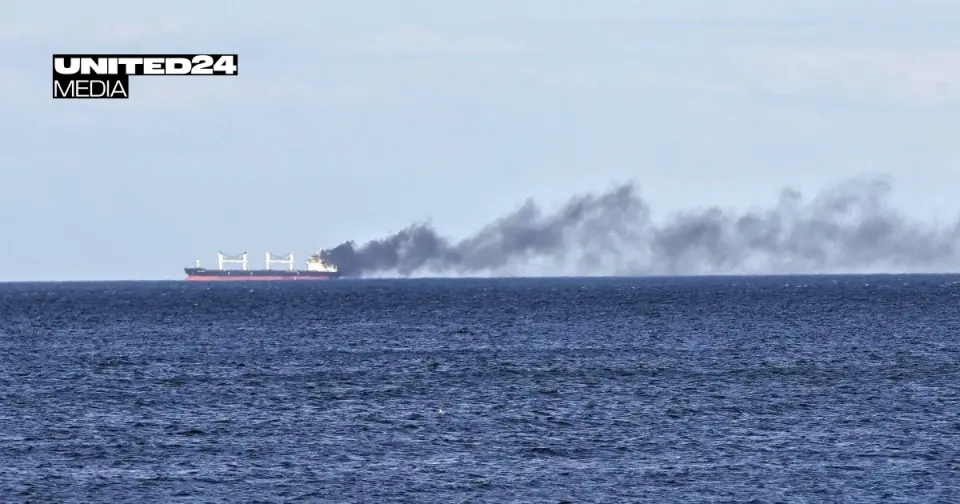
Ukraine has agreed to a joint ceasefire covering both energy infrastructure and Black Sea shipping routes, following proposals from the US, India, Türkiye, and Egypt. While Kyiv views this as a potential outcome of a Zelenskyy-Putin meeting, Moscow rejects piecemeal truces, demanding a comprehensive peace deal instead.
Key points
- Ukrainian Foreign Minister Andrii Sybiha confirmed Kyiv’s readiness for a combined energy and maritime truce, rejecting separate agreements.
- India offered the broadest proposal, while Türkiye and Egypt focused on grain exports and food security in the Black Sea.
- The US proposed an energy-focused pause following discussions between Presidents Zelenskyy and Trump.
- Kremlin spokesman Dmitry Peskov dismissed the initiative, stating Moscow seeks a 'lasting peace' rather than a temporary ceasefire.
- Türkiye and the UN are mediating new Black Sea talks, expected in early October, involving envoys from the Centre for Humanitarian Dialogue.
Background
This development follows a series of escalating strikes in the Black Sea, including Ukrainian drone attacks on Russian naval assets and Russian retaliatory strikes on Ukrainian infrastructure. In September 2026, Ukraine warned of symmetric responses to winter power-grid attacks, linking energy protection to unblocking the Black Sea food corridor. The current diplomatic push builds on the 2022 Black Sea Grain Initiative, which Russia withdrew from in 2023, amid rising global wheat prices due to disrupted shipping.
How outlets are covering it
Outlets highlight differing diplomatic stances. UNITED24 Media emphasizes Ukraine’s openness to a combined truce, noting that India’s proposal was the most comprehensive. Türkiye Today reports that the Kremlin is 'cool' on the initiative, with Peskov arguing that 'piecemeal arrangements' will not lead to peace and that Russia is responding to Ukrainian attacks on its vessels. The Indian Express source was inaccessible, but previous coverage indicates India is shifting away from Russian oil due to US sanctions, which may influence its diplomatic posture. The US is focused on an energy truce, while Türkiye and Egypt prioritize food security, reflecting divergent national interests in the Black Sea corridor.
Why it matters
A successful truce could stabilize global food and energy markets, as Russia and Ukraine account for over a quarter of global wheat shipments. However, Moscow’s rejection of partial agreements and its emphasis on a 'comprehensive' peace may hinder progress. The outcome of potential Zelenskyy-Putin talks will determine whether a temporary pause or a lasting resolution is achieved, impacting regional security and global supply chains.
What to watch
Türkiye and the UN are expected to hold Black Sea ceasefire talks in early October, mediated by the Centre for Humanitarian Dialogue. The US is working on an energy-focused track, while Kyiv has shared its terms with Washington. The next steps depend on whether Moscow engages in comprehensive negotiations or continues to reject piecemeal truces, potentially leading to further escalations in the Black Sea if talks fail.
- Ukraine Ready for Joint Energy and Black Sea Truce as 4 Countries Send Proposals UNITED24 Media
- Turkey and UN Broker Talks on Russia-Ukraine Black Sea Truce Bloomberg.com
- Africa’s strongest military nation, alongside India and Turkey, listed as a country with a solution to Russia’s aggression on a very important trade route Business Insider Africa
- Kremlin cool on Türkiye-UN Black Sea ceasefire initiative, wants 'lasting peace' Türkiye Today
- India proposal to end war most comprehensive, says Ukraine The Indian Express
Want the full story? Read the original reporting
Read on UNITED24 Media