
Libya’s Grand Mufti bans Nike over Greek origins and alleged Israel support
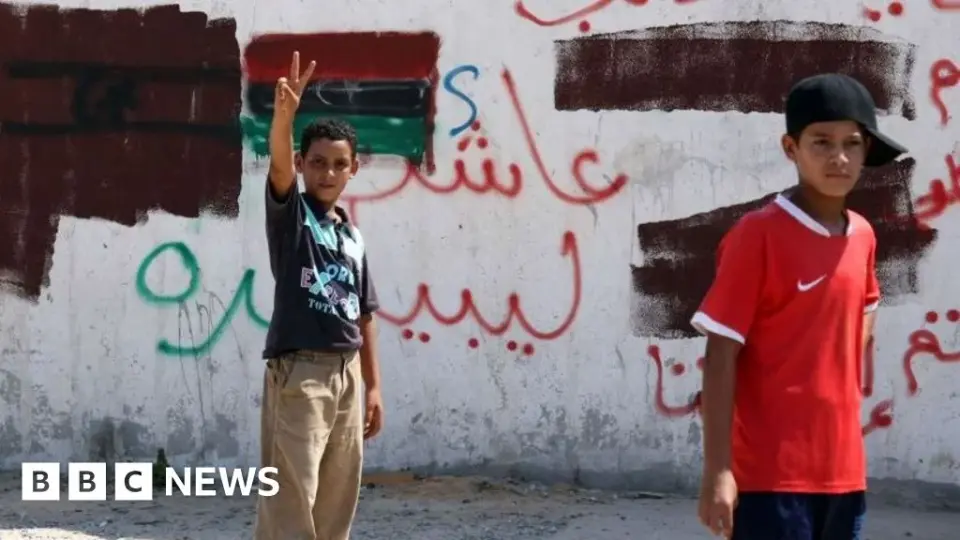
Libya’s Dar al-Ifta issued a non-binding fatwa prohibiting Muslims from buying or wearing Nike, citing the brand’s Greek goddess namesake as promoting polytheism and its alleged support for Israel.
Key points
- The Tripoli-based Dar al-Ifta, approved by Grand Mufti Sadiq al-Gharyani, banned the purchase, sale, and wearing of Nike products.
- The ruling argues the Nike swoosh logo, inspired by the wings of the Greek goddess of victory, promotes polytheism, which contradicts Islamic monotheism.
- The fatwa also cites a 2023 call to boycott Western companies perceived as supporting Israel during the Gaza conflict.
- The decree is a religious opinion, not a legally enforceable government order, though it carries significant social influence in the region.
- Nike does not operate official stores in Libya, but its products are sold through local retailers, often alongside counterfeit items.
Background
This ruling follows a similar 2025 fatwa by the same body against Van Cleef & Arpels, which cited Christian symbolism in its clover design. It also aligns with broader restrictions on music and theatre in Libya in 2025, reflecting a rise in religious conservatism. The ban occurs amid ongoing political fragmentation in Libya, where rival authorities operate in the east and west since 2011.
How outlets are covering it
BBC and New York Post report the core facts of the fatwa, emphasizing the theological argument regarding the Greek goddess Nike and the geopolitical stance against Israel. Firstpost highlights the social media debate, noting that while some supporters praise the defense of religious values, critics view the ruling as a distraction from Libya’s deeper political and economic issues. The Telegraph source was inaccessible due to a security block, so its perspective could not be synthesized. All accessible sources agree that the fatwa is non-binding but socially influential, and none report a formal government ban or penalties for non-compliance.
Why it matters
The ruling illustrates the growing intersection of religious authority and consumer behavior in North Africa, potentially impacting brand perception and sales in a region where counterfeit goods are prevalent. It also reflects broader tensions between religious conservatism and modern commercial practices, as well as the influence of geopolitical conflicts on local religious edicts.
What to watch
Nike has not yet responded to the ruling. The impact on local sales and consumer behavior remains to be seen, as the fatwa lacks legal enforcement. Observers will watch whether similar rulings emerge against other brands with non-Islamic symbolism or geopolitical controversies.
- Nike faces religious ban in Libya because it was named after Greek goddess BBC
- Fatwa issued against Nike for ‘promoting polytheism’ The Telegraph
- Nike slapped with Islamic fatwa for ‘promoting polytheism’ via Greek goddess symbol New York Post
- 'Muslims Should Boycott Nike': Libya's Top Religious Authority Issues a Fatwa | Firstpost Africa Firstpost
- Why has a fatwa banned Libyans from wearing Nike? | Similar fatwa was issued against Van Cleef | Inshorts Inshorts
Want the full story? Read the original reporting
Read on BBC