
Second wave of European bomb threats forces diversions, no explosives found
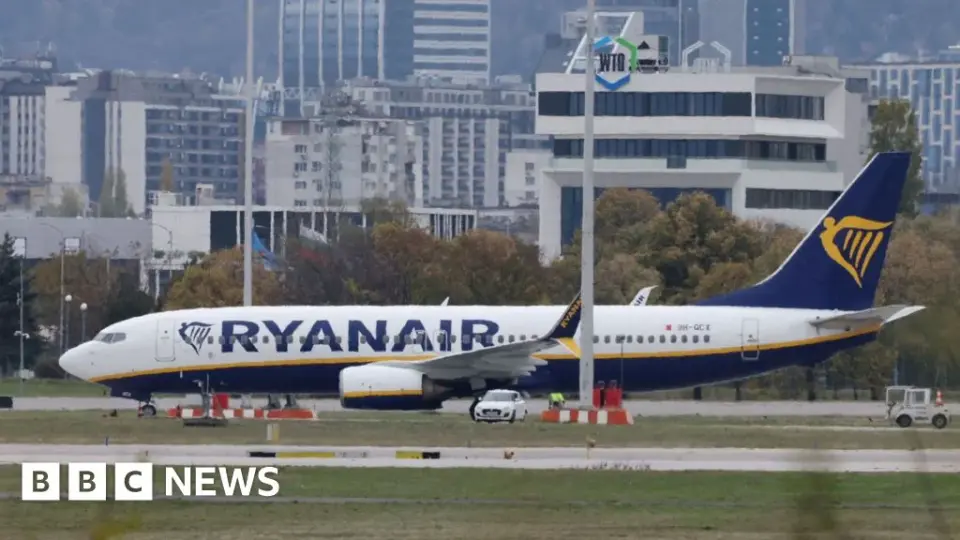
A second wave of suspected bomb threats disrupted multiple European flights on Thursday, forcing diversions to France, Italy, and Bulgaria. No explosives were found, and authorities are investigating the incidents as part of a broader pattern of hybrid threats.
Key points
- Aer Lingus flight EI402 from Dublin to Rome diverted to Evreux air base in Normandy, France, with 151 passengers and six crew safely evacuated.
- Finnair flights from Helsinki to Rome and Vienna landed as scheduled after receiving threats; the Rome flight was escorted by Italian Air Force fighter jets.
- Four flights landed in Prague after threats of improvised explosive devices, with Czech police confirming no explosives were found.
- Three Ryanair flights bound for Sofia, Bulgaria, made emergency landings, with one diverted to Plovdiv.
- Wizz Air and LOT flights were also affected, with inspections finding no suspicious items in Vienna, Bucharest, and Brussels.
Background
This incident follows a similar wave of bomb threats on Tuesday, November 3, 2026, which affected seven flights across Europe, including those operated by Ryanair, LOT, SAS, and Wizz Air. All previous threats were confirmed as false alarms. Earlier in October, an Austrian Airlines flight was diverted to Sofia after a bomb threat, highlighting ongoing security concerns in European aviation.
How outlets are covering it
BBC and CNN emphasize the scale of the disruption, noting that this is the second time this week flights have been targeted. CNN highlights that the Prague threats were sent via anonymous email, while BBC notes aviation expert Marco Chan’s view that the threats may be a 'pattern of cheap, deniable disruption.' AP and NBC News focus on the lack of explosives found and the absence of any claim of responsibility, framing the incidents as part of a broader context of hybrid threats, including recent cyber-attacks on supermarket refrigeration systems. All sources agree that no explosives were found and that the incidents are likely hoaxes, but they differ in emphasis: BBC and CNN focus on the operational response, while AP and NBC News highlight the broader security context.
Why it matters
The repeated nature of these threats, even if hoaxes, highlights vulnerabilities in European aviation security and the potential for hybrid threats to disrupt critical infrastructure. The incidents underscore the need for coordinated security responses across borders and raise concerns about the economic and public confidence impacts of such disruptions.
What to watch
Authorities in Czech, Italian, and French countries are continuing investigations into the threats. Airlines are working to re-accommodate passengers to their final destinations. No claim of responsibility has been made, and it is unclear if the incidents are coordinated or isolated hoaxes.
- Dublin to Rome flight diverted after bomb threat BBC
- Several flights in Europe diverted due to bomb threats, reports say — live CNN
- Multiple flights in Europe diverted because of bomb threats after earlier hoaxes Click2Houston
- Series of bomb threats cause flight disruptions across Europe NBC News
- Bomb threat forces Aer Lingus Dublin-Rome flight to divert to a French military air base AP News
Want the full story? Read the original reporting
Read on BBC