
Sperm Whale Pod Sinks Yacht Tai Tam in South Pacific; Crew Rescued After 18-Hour Ordeal
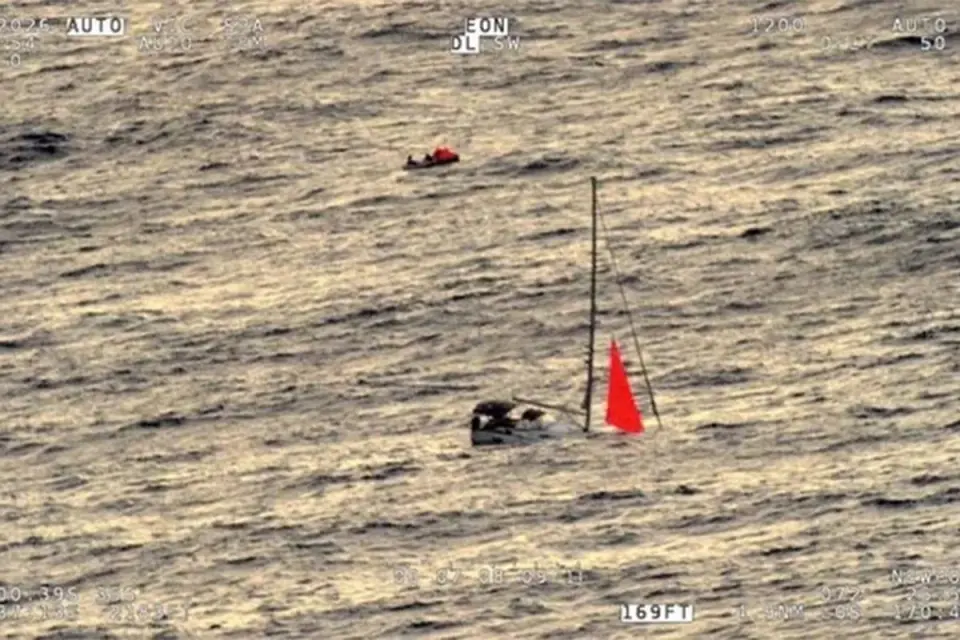
A pod of sperm whales struck and sank the 52-foot yacht Tai Tam in the South Pacific, leaving four crew members in a life raft for 18 hours before rescue. The incident highlights the destructive power of whale impacts and the critical importance of emergency preparedness at sea.
Key points
- The 52-foot yacht Tai Tam was struck by a pod of six to eight sperm whales approximately 250 nautical miles north of Norfolk Island, causing severe hull damage and steering failure.
- Crew members, including Australians Jemma and Jeremy Cooper and New Zealanders Terry Hetherington and Martin Jaffre, activated an emergency beacon within 30 minutes of the impact.
- The crew abandoned the sinking vessel late at night, transferring to a life raft, and were rescued by the container ship MV Sofrana Surville at 6 a.m. the following day, roughly 18 hours after the collision.
- New Zealand Defence Force officials praised the crew’s preparedness, noting that the early activation of their Emergency Position-Indicating Radio Beacon (EPIRB) was key to the successful rescue.
- This incident marks the second time in less than two months that a whale has sunk a vessel, following a July incident involving a New Jersey fire department boat.
Background
Recent scientific research has confirmed that the spermaceti organ in sperm whales’ heads functions as a battering ram, capable of delivering impacts strong enough to sink ships. This finding, supported by drone footage of head-on collisions, validates long-standing theories about the species’ physical capabilities. The Tai Tam incident underscores the real-world implications of these biological traits for maritime safety.
How outlets are covering it
The Independent and CBS News both emphasize the terrifying nature of the encounter, with crew members describing a 'loud thud' and immediate structural failure. CBS News provides detailed quotes from crew members regarding the damage to steering gear and hull integrity, while The Independent focuses on the broader context of whale interactions. LiveNOW from FOX highlights the dramatic video footage of the sinking and the rescue, citing the New York Post and New Zealand Defence Force releases. All sources agree on the timeline and outcome but differ in emphasis: CBS News details the crew’s survival efforts, while LiveNOW focuses on the visual evidence and rescue coordination.
Why it matters
This incident serves as a stark reminder of the risks posed by large marine mammals to small vessels and the critical importance of emergency preparedness, such as EPIRB activation, in remote oceanic regions. It also highlights the need for better understanding of whale behavior and the potential for ship strikes, which are a growing threat to vulnerable whale populations.
What to watch
Maritime authorities may review safety protocols for small vessels in whale-rich areas, and further research into sperm whale behavior and collision risks may be prompted by this incident. The crew’s safe rescue and the vessel’s loss will likely be part of ongoing discussions about maritime safety and wildlife interactions.
- Gang of eight sperm whales sink yacht after ramming boat in South Pacific The Independent
- Whale sinks yacht in South Pacific, sailors rescued alive 18 hours later CBS News
- Whale sinks yacht in South Pacific causing military rescue mission FOX 8 News
- Yacht sinks after hitting pod of whales in Pacific Ocean LiveNOW from FOX
- Terrifying Whale Attack Sinks Yacht and Leaves Sailors Stranded The Daily Beast
Want the full story? Read the original reporting
Read on The Independent