
Stalemate Deepens as U.S. and Iran Clash Over Deal Scope and Trust
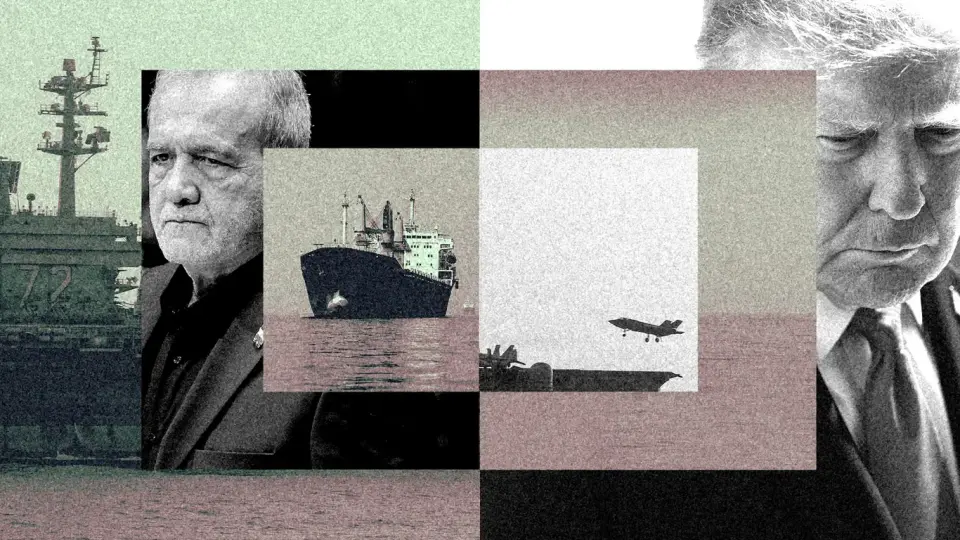
U.S.-Iran negotiations remain deadlocked due to fundamental mismatches in timing, scope, and trust. While Washington seeks a comprehensive, high-profile deal, Tehran prefers narrow, indirect truces. Mutual accusations of bad faith, domestic political pressures, and fears of renewed military escalation have stalled progress, with both sides preparing for potential conflict despite ongoing diplomatic efforts.
Key points
- Negotiations are hindered by divergent approaches: the U.S. seeks rapid, large-scale agreements, while Iran prioritizes slow, incremental truces.
- Deep-seated mistrust persists, with Iran accusing the U.S. of attacking during previous talks and the U.S. citing Iran's violation of the June 2026 memorandum of understanding.
- Domestic pressures in both countries harden negotiating stances, with U.S. political divisions and Iranian regime factions complicating compromise.
- Military constraints, including depleted U.S. munitions and vulnerable Gulf allies, limit Washington's ability to escalate, while Iran maintains disruptive capabilities in the Strait of Hormuz.
- Both sides are preparing for potential renewed conflict, with Trump considering post-midterm military action and Iran signaling readiness for prolonged warfare.
Background
The current impasse follows two failed negotiation rounds in 18 months, including a collapsed June 2026 memorandum of understanding that led to renewed escalation. Prior conflicts, including the February 2026 U.S.-Israel strikes on Iran, have reshaped regional security and deepened mistrust. The U.S. has faced domestic backlash over the war, with bipartisan calls to end the conflict and scrutiny over military sustainability, while Iran has navigated internal factionalism and external pressures from Gulf states and regional proxies.
How outlets are covering it
Axios emphasizes structural and cultural mismatches, describing the U.S. as impatient and Iran as fixated on resistance, with both sides viewing deals through incompatible lenses. The New Yorker highlights a strategic stalemate, noting that Iran’s regime prioritizes survival over economic pain and that U.S. efforts to open the Strait of Hormuz have not eliminated Iran’s disruptive leverage. MS NOW focuses on military and political constraints, arguing that depleted U.S. stockpiles and vulnerable Gulf allies limit escalation options, while domestic political divisions in the U.S. and Iran’s internal factionalism hinder compromise. All sources agree that trust is the core barrier, but differ on whether the impasse is driven by ideological rigidity (Axios), strategic miscalculation (The New Yorker), or resource limitations (MS NOW).
Why it matters
The failure to reach a deal risks renewed military conflict, with both sides preparing for escalation. A breakdown could trigger further instability in the Middle East, disrupt global energy markets, and strain U.S. alliances in the Gulf. The impasse also reflects broader challenges in U.S. foreign policy, including domestic political divisions and the limits of military power in achieving strategic objectives. For Iran, the stalemate tests the regime’s resilience and its ability to balance internal pressures with external threats. Globally, the conflict underscores the fragility of diplomatic solutions in high-stakes, high-trust environments.
What to watch
Watch for post-midterm U.S. decisions on military escalation, as Trump has signaled potential action after November 3. Monitor Iranian responses to U.S. proposals, particularly regarding the Strait of Hormuz and nuclear negotiations. Assess the impact of domestic political pressures in both countries, including U.S. congressional debates and Iranian regime factionalism. Track regional dynamics, including Gulf state mediation efforts and Houthi activities in the Red Sea, which could influence the broader conflict trajectory.
Want the full story? Read the original reporting
Read on Axios