
Zaporizhia aid hub strike death toll rises to 40 as rescue efforts continue
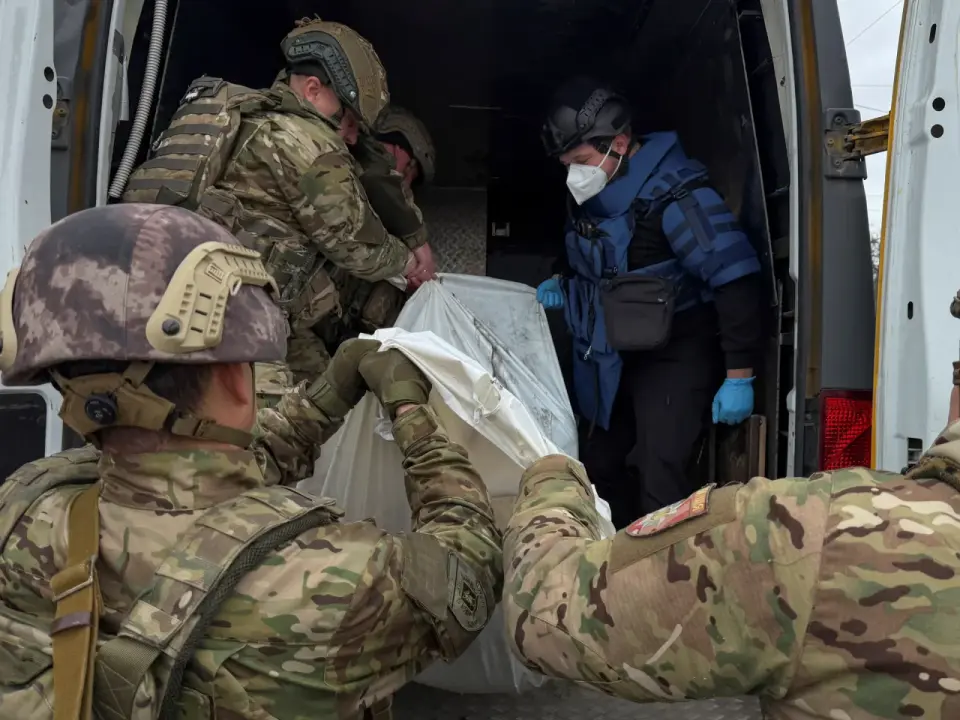
Ukrainian President Volodymyr Zelenskyy confirmed that 40 people died in a Russian strike on a humanitarian aid center in Komyshuvakha, Zaporizhia, on November 2. Officials state that over 30 people remain trapped under rubble, with rescue operations continuing despite Russian drone interference. The attack, described as a 'double-tap' bombing, occurred just days after a localized ceasefire in Oleshky and ahead of US-brokered peace talks in Abu Dhabi scheduled for November 10-11. Zelenskyy condemned the strike as a 'vile terrorist act' that undermines de-escalation efforts, while the UN human rights mission said the bombing likely violated international law.
Key points
- Death toll from the November 2 strike on a school-turned-aid-hub in Komyshuvakha, Zaporizhia, rose to 40, with over 30 still missing.
- Bodycam footage from a killed police officer shows residents entering an underground shelter minutes before a second strike destroyed it.
- Rescue operations are ongoing but hampered by Russian drone activity in the area.
- The attack occurred shortly after a ceasefire in Oleshky and before US-brokered peace talks in Abu Dhabi on November 10-11.
- Zelenskyy criticized the lack of international response, calling the strike a 'war crime' that signals Russia’s refusal to de-escalate.
Background
The Komyshuvakha strike is the latest in a series of Russian attacks on civilian infrastructure in 2026. Earlier in November, Russia launched massive drone and missile barrages on Ukrainian energy infrastructure, causing widespread power outages. A brief ceasefire in Oleshky, brokered by US First Lady Melania Trump, allowed for humanitarian evacuations but ended on November 2, coinciding with the Komyshuvakha strike. Tensions have been heightened by disputes between the US and Ukraine over sanctions and intelligence sharing, with Trump publicly criticizing Zelenskyy’s stance on peace efforts.
How outlets are covering it
Al Jazeera and The Guardian emphasize the human toll and Zelenskyy’s condemnation of the strike as a deliberate act to sabotage peace talks. BBC highlights the bodycam footage as evidence of a 'double-tap' attack, where a second strike targeted a shelter after the first. AP News focuses on the broader context of cyberattacks on emergency alert systems in both Ukraine and Russia, which occurred around the same time as the ceasefire ended. All sources agree on the death toll and the timing relative to the Abu Dhabi talks, but differ in emphasis: Al Jazeera and The Guardian frame the strike as a political signal, while BBC focuses on the forensic evidence of the attack sequence.
Why it matters
The Komyshuvakha strike underscores the fragility of ceasefire agreements and the risk of civilian casualties in the Russia-Ukraine war. It complicates upcoming peace talks in Abu Dhabi, as Zelenskyy argues the attack demonstrates Russia’s unwillingness to de-escalate. The incident also highlights the vulnerability of humanitarian aid operations in conflict zones and the potential for cyberattacks to disrupt emergency response systems.
What to watch
Rescue operations in Komyshuvakha will continue, with officials expecting to recover more bodies. The US-brokered peace talks in Abu Dhabi are scheduled for November 10-11, where delegations from Ukraine and Russia will discuss post-war security and de-escalation. The international community is expected to respond to the strike, with Zelenskyy calling for a 'strong response' to the alleged war crime.
- Ukraine raises death toll from Russian strike on Zaporizhia to 40 people Al Jazeera
- Ukraine says bodycam video shows deadly Russian double-tap bombing BBC
- Dozens dead and missing after Russian strike on Ukrainian aid centre, officials say Reuters
- Zelenskyy says 40 now confirmed dead after ‘insane’ Russian attack on school – as it happened The Guardian
- Russia bombs aid center and shelter in southern Ukraine, killing 26, officials say AP News
Want the full story? Read the original reporting
Read on Al Jazeera