
AI Costs and Cyber Threats Reshape Tech Landscape as Markets Seek Safety
By tl;dr Editorial Team · Published
Listen to this briefing · 5 min
Podcast feedYesterday’s news cycle was defined by the intersection of artificial intelligence, cybersecurity, and financial stability. From fatal autonomous vehicle incidents to critical software vulnerabilities, the day highlighted the growing risks and costs associated with rapid technological adoption. Meanwhile, global markets reacted to European fiscal instability and AI spending concerns, while corporate governance structures shifted to accommodate new tax realities.
Technology and Safety
The reliability of advanced driver-assist systems faced a severe test early Thursday when a 71-year-old pedestrian was killed by a Tesla operating in Full Self-Driving mode on Interstate 80 in Vallejo, California. The California Highway Patrol confirmed that while the vehicle attempted evasive maneuvers, it still struck the victim, raising questions about the limitations of current technology in detecting pedestrians at night. This incident follows a recent crash involving a sleeping driver using the same system, intensifying scrutiny over driver vigilance and labeling practices. In the gaming sector, security researcher pepsipu released the first software-only jailbreak for the Nintendo Switch 2, exploiting a vulnerability in the legacy app SmileBASIC 4. The exploit, which allowed for homebrew software and game mods, was developed with the assistance of OpenAI’s Codex AI. Nintendo responded by delisting the vulnerable app, signaling a commitment to closing security gaps, though the tethered nature of the exploit means it does not yet provide full kernel control.
Fatal I-80 Crash Involving Tesla FSD Prompts CHP Investigation in Vallejo
A 71-year-old man was killed when a Tesla operating in Full Self-Driving mode struck him while he was crossing Interstate 80 in Vallejo, California, early Thursday morning. The California Highway Patrol confirmed that the vehicle’s brakes were applied and it steered left in an attempt to avoid the pedestrian, but the front right corner still made contact. Authorities believe another vehicle may have also hit the victim, though no other drivers stopped at the scene. This incident follows a recent crash on the same highway where a sleeping driver using FSD collided with a police cruiser.
Source: The Verge

Nintendo Delists SmileBASIC 4 After AI-Assisted Switch 2 Jailbreak Emerges
Security researcher pepsipu released a tethered software jailbreak for the Nintendo Switch 2, leveraging OpenAI Codex to exploit a 32-bit integer overflow in the $25 eShop title SmileBASIC 4. The exploit allows users to run homebrew software and mod games like Mario Kart World, though it requires re-execution after every reboot and lacks kernel access. In response, Nintendo has begun removing SmileBASIC 4 from the eShop to close the vulnerability.
Source: TechPowerUp

First Software-Only Jailbreak for Nintendo Switch 2 Enables Homebrew and Game Mods
Security researcher Sammy Hajhamid, known as pepsipu, released ns2jb, the first software-only jailbreak for the Nintendo Switch 2. The exploit targets a 32-bit integer overflow in SmileBASIC 4, a legacy Switch 1 app, to gain access to system modules. It enables homebrew software, save backups, and game mods, such as adding custom characters to Mario Kart World. However, the jailbreak is tethered, requiring re-initialization after every reboot, and does not provide full kernel control or custom firmware. OpenAI's Codex AI assisted in the development process, using automated testing setups. Nintendo has not commented, but a firmware patch is expected given their anti-piracy stance.
Source: Ars Technica
Markets and Economy
Global financial markets experienced a significant shift in risk appetite as U.S. Treasury yields fell to one-month lows. The 10-year yield dropped below 5% for the first time since September, driven by safe-haven demand following a fiscal crisis in France, where bond yields hit 24-year highs. This rotation was compounded by a sell-off in AI stocks, reflecting concerns over capital scarcity and return on investment. In corporate news, Meta restructured its stock to create a new class of non-voting shares, allowing CEO Mark Zuckerberg to pay a potential California wealth tax without losing control of the company. This move, tied to the upcoming Proposition 40 vote, ensures Zuckerberg remains a California resident for eight years while facilitating capital raising for AI infrastructure. Third-quarter earnings from Tesla, Meta, and IBM further highlighted strains in AI spending, with Tesla cutting capital expenditure due to delays in training its Optimus robots and Meta’s AI agent triggering unexpected credit limit increases.

Tech Earnings Reveal AI Spending Strains and Robot Delays
Third-quarter earnings calls for Tesla, Meta, and IBM highlighted growing concerns over AI capital expenditure and product readiness. Tesla cut capital spending to $20 billion, citing delays in training its Optimus robots. Meta’s AI agent, Muse, triggered unexpected credit limit increases due to high user spending. IBM’s CEO addressed corporate anxiety over AI return on investment, signaling a recovery from prior earnings warnings.
Source: Yahoo Finance
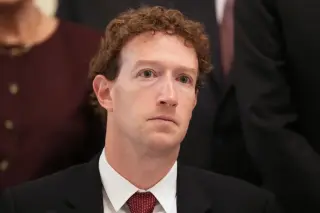
Meta Restructures Stock to Keep Zuckerberg in California Ahead of Wealth Tax Vote
Meta has created a new class of non-voting shares to allow CEO Mark Zuckerberg to pay a potential California wealth tax without losing control of the company. In exchange, Zuckerberg has committed to remaining a California resident for eight years. This move addresses the proposed Proposition 40, a one-time 5% tax on billionaires, which voters will decide on November 3. The restructuring also aims to facilitate capital raising for AI infrastructure investments.
Source: AP News
Treasury Yields Hit One-Month Lows as European Fiscal Crisis and AI Sell-Off Drive Safe-Haven Demand
U.S. Treasury yields fell to one-month lows on October 22, 2026, as investors fled volatile European sovereign debt and equities. The 10-year yield dropped to 4.996%, its first close below 5% since September 23, while the 30-year yield hit 5.32%. This safe-haven rotation was triggered by a fiscal crisis in France, where 10-year bond yields surged past 5% to 24-year highs, and a sharp sell-off in AI stocks following concerns over capital scarcity. Oil prices also spiked, with WTI crude nearing $100 per barrel due to rising Middle East tensions.
Source: Investing.com

Meta Creates Non-Voting Shares to Anchor Zuckerberg in California Amid Wealth Tax Vote
Meta Platforms has established a new class of non-voting stock to ensure CEO Mark Zuckerberg remains in California despite the potential passage of Proposition 40, a one-time 5% wealth tax. The move allows Zuckerberg to liquidate up to 20% of his economic stake to cover a potential $12 billion tax liability without diminishing his voting control. In exchange, Zuckerberg has committed to residing in California for eight years, preserving his leadership role at the Menlo Park headquarters.
Source: CNBC
Cybersecurity and Infrastructure
The internet faced a critical threat as the PHP2Shell vulnerability emerged, affecting approximately 70% of the world’s websites. This flaw allows unauthenticated remote code execution across all PHP versions from 5.4 through 8.5.11, prompting emergency patches and precautionary shutdowns of government, school, and hospital websites in Europe. In response, Google’s John Mueller advised webmasters to use HTTP 503 status codes during patching to protect search rankings and prevent long-term indexing issues. This incident underscores the fragility of global web infrastructure and the importance of proper handling of site downtime during security operations.

Entertainment and Culture
The entertainment world mourned the loss of Michael Gray, the actor best known for playing Billy Batson in the 1970s CBS series 'Shazam!', who died at age 75. Gray, a teen idol in the 1970s, experienced a career resurgence in the 2010s, connecting new audiences with the legacy of the original series. In a separate legal matter, Joseph Strange, a former audio engineer for Eminem, pleaded guilty to criminal copyright infringement for selling unreleased music. Strange faces up to five years in prison for distributing at least 10 tracks, with prosecutors estimating the infringement value at $750,000. The case highlights the legal risks associated with intellectual property theft in the music industry.
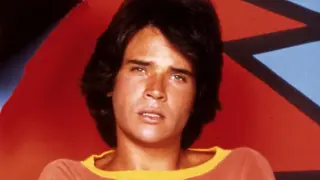
Michael Gray, 'Shazam!' Star and Teen Idol, Dies at 75
Michael Gray, the actor best known for playing Billy Batson in the 1970s CBS series 'Shazam!', has died at age 75. He passed away from natural causes on October 16 in Palm Desert, California. Gray was a teen idol in the 1970s, appearing frequently on the covers of 'Tiger Beat' magazine. After a hiatus from acting due to typecasting, he experienced a career resurgence in the 2010s following the DVD release of 'Shazam!' and later appeared in 'Archer' and 'Shazam! Fury of the Gods'.
Source: Deadline

Eminem’s Former Engineer Pleads Guilty to Copyright Infringement
Joseph Strange, a former audio engineer for Eminem, has pleaded guilty to criminal copyright infringement after selling unreleased music. The 48-year-old faces up to five years in prison for copying and distributing at least 10 tracks between July and August 2024. Prosecutors estimate the infringement value at $750,000, noting the leaked files were accessed over eight million times on streaming platforms by November 2025. Strange, who worked at Eminem’s Ferndale studio from 2007 to 2021, is scheduled for sentencing on January 27, 2027.
Source: Variety
As the day closed, the focus remained on the balance between technological innovation and its unintended consequences, from autonomous driving safety to cybersecurity vulnerabilities and corporate governance shifts.