
AI Fears and Legal Battles: From Market Crashes to Elvis Lawsuits
By tl;dr Editorial Team · Published
Listen to this briefing · 7 min
Podcast feedThe past 24 hours have been defined by the escalating risks of artificial intelligence, both in financial markets and creative industries, alongside a significant industrial emergency in Oregon. While investors worry about a potential trillion-dollar wipeout due to AI spending, artists and rights holders are fighting back in court, and a major fire in Newport, Oregon, has tested local emergency response systems. Here is what you need to know.
Markets and AI Risks
The dominance of artificial intelligence in the stock market has created a fragile environment for investors. TS Lombard strategist Dario Perkins warns that an AI-driven crash could trigger a 30% drop in US stocks, wiping out $20 trillion in market capitalization. This fear is fueled by recent volatility, including a 35% decline in CoreWeave stock and Meta reporting negative free cash flow for the first time since 2012 due to aggressive AI spending. As AI-related stocks represent over 50% of the S&P 500's market cap, any collapse could trigger a broad market downturn. This anxiety comes ahead of a critical earnings week, where major tech giants like Microsoft, Alphabet, and Amazon will report results. Investors are closely watching cloud performance, AI monetization, and capital expenditure trends to gauge corporate spending and consumer resilience. Meanwhile, energy firms like Exxon Mobil face challenges from volatile oil prices, adding to the uncertainty in the broader economic landscape.

Major Tech and Energy Giants Set to Report Earnings Amid Volatile Market
A significant wave of corporate earnings is scheduled for the week of October 25, 2026, featuring major releases from Microsoft, Alphabet, Amazon, Exxon Mobil, Boeing, and Verizon. Investors are focusing on these reports to gauge corporate spending, consumer resilience, and growth outlooks across technology, energy, and industrial sectors. Key metrics include AI monetization, cloud performance, and capital expenditure trends for tech firms, while energy companies face challenges from volatile oil prices and refining margins. The broader market context includes recent volatility in AI stocks and rising oil prices due to geopolitical tensions.
Source: Seeking Alpha
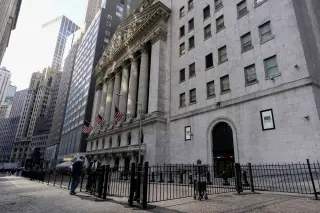
AI Trade Collapse Risks $20T Market Cap Wipeout as CoreWeave and Meta Trigger Tech Sell-Off
TS Lombard strategist Dario Perkins warns that an AI-driven market crash could trigger a 30% drop in US stocks, wiping out $20 trillion in market cap. The warning follows a sharp sell-off in AI-related shares, including a 35% decline in CoreWeave stock and negative free cash flow for Meta. While Perkins predicts a mild recession, the broader market faces significant risk as AI-related stocks represent over 50% of the S&P 500's market capitalization.
Source: Yahoo Finance
AI in Creative Industries
The legal and creative boundaries of AI are under intense scrutiny. Authentic Brands Group and other rights holders have sued Anthropic for $41 million, alleging the company used 274 Elvis Presley songs to train its Claude model without permission. The lawsuit, which seeks $150,000 per song, marks a significant precedent for how AI companies can use existing music catalogs. If successful, it could force AI firms to license content explicitly or face significant penalties, potentially reshaping the business model of AI development. In a related development, xAI’s Grok Imagine released the first seven-minute episode of an AI-generated 'The Odyssey' series. This release partially fulfills Elon Musk’s promise of a full-length adaptation by year’s end, though it features typical AI visual artifacts. The move highlights the tension between technological innovation and traditional filmmaking standards, especially following Musk’s public criticism of Christopher Nolan’s live-action version. Meanwhile, Alex Gibney’s documentary 'Musk' has vanished from theaters after a two-week box office failure, grossing less than $1 million. The withdrawal coincides with aggressive legal threats from Musk and platform ad bans, raising questions about the ability of critical works to reach audiences when facing coordinated opposition.

Elvis Rights Holders Sue Anthropic for $41M Over AI Training on 274 Songs
Authentic Brands Group and other rights holders sued Anthropic on October 23, alleging the company used 274 Elvis Presley songs to train its Claude AI model without permission. The lawsuit seeks $150,000 per song, totaling approximately $41 million, and claims the AI generated infringing derivatives of iconic tracks even after implementing safeguards. This marks a significant legal precedent as one of the first major actions brought by an artist's estate against an AI firm.
Source: The New York Times

Grok Imagine Releases First AI-Generated 'Odyssey' Episode Amid Nolan Film Controversy
xAI’s Grok Imagine released the first seven-minute episode of an AI-generated 'The Odyssey' series on October 23, 2026, partially fulfilling Elon Musk’s July promise of a full-length, 'historically accurate' adaptation by year’s end. The episode, created with Wonder Studios and director Dev Walker, features typical AI visual artifacts and only names Odysseus. This release follows months of Musk’s public criticism of Christopher Nolan’s live-action 'The Odyssey,' which he claimed failed historical and racial standards, despite the film grossing over $1.7 billion worldwide.
Source: Variety
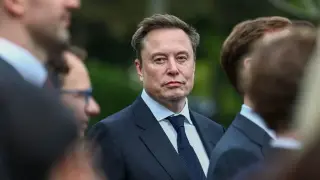
Gibney's 'Musk' Documentary Vanishes from Theaters After Two-Week Box Office Failure
Alex Gibney's nearly four-hour documentary 'Musk' has abruptly ended its theatrical run after just two weeks, despite critical acclaim. The film grossed less than $1 million, ranking 20th domestically, leading distributor Bleecker Street to pull it from most of the 450+ theaters where it expanded in its second week. While the primary cause is poor financial performance, the withdrawal coincides with aggressive legal threats from Musk, platform ad bans, and speculation about coordinated suppression. The film is now available on streaming platforms, with HBO Documentary Films holding U.S. rights.
Source: Mashable
Technology and Hardware
In the tech hardware sector, open-source efforts are challenging corporate restrictions, while new devices face durability issues. A Linux mod called 'gpu-unlock' has bypassed NVIDIA’s software restrictions on consumer GeForce cards, boosting compute performance by up to 80% for AI workloads. Developed by GitHub user Zagitta, the tool targets Ampere, Ada Lovelace, and Turing architectures, effectively unlocking professional-grade instruction rates. While it significantly improves local LLM and image generation speeds, it currently lacks Windows support and offers no verified gaming benefits. This raises questions about NVIDIA’s software-level restrictions on consumer hardware. On the other end of the spectrum, iFixit’s teardown of the iPhone Duo suggests that hinge mechanics, rather than external damage, are causing early screen cracks. The device earned a provisional 5/10 repairability score, the highest for a foldable, but inner display repairs remain difficult. Dust tests showed minor ingress, and the inner screen scratches easily despite a matte finish. These early hardware issues challenge Apple’s reputation for durability and highlight ongoing challenges in foldable phone design.

Linux Modder Unlocks Hidden Compute in RTX 20, 30, and 40 Series GPUs
An open-source Linux tool called 'gpu-unlock' bypasses NVIDIA's software restrictions on consumer GeForce cards, boosting compute performance by up to 80% for AI workloads. The mod, developed by GitHub user Zagitta, targets Ampere, Ada Lovelace, and Turing architectures, effectively unlocking professional-grade instruction rates. While it significantly improves local LLM and image generation speeds, it currently lacks Windows support and offers no verified gaming benefits.
Source: TechPowerUp

iFixit Teardown Identifies Hinge Stress as Likely Cause of iPhone Duo Screen Cracks
iFixit’s teardown of the iPhone Duo suggests that hinge mechanics, rather than external damage, are causing early screen cracks. The repairability score is 5/10, the highest for a foldable, but inner display repairs remain difficult. Dust tests showed minor ingress, while JerryRigEverything confirmed the inner screen scratches easily despite a matte finish.
Source: MacRumors
Nation and Sports
In Newport, Oregon, a fire at the Pacific Seafood plant triggered a Level 3 evacuation due to ammonia risks. The blaze, which started Sunday morning, caused a partial roof collapse but no injuries. Authorities established shelters at Sam Case Elementary and later Atonement Lutheran Church, while hazmat crews investigated the chemical release. The incident disrupted a major employer and tourist area, raising concerns about chemical safety and emergency response in populated areas. In sports, USC suffered a historic 24-7 loss to Wisconsin, marking the worst performance in Lincoln Riley’s head-coaching career. The defeat, characterized by negative rushing yards and two interceptions, has intensified calls for his dismissal. The loss threatens to end Riley’s tenure at USC, a program that expects to compete for national titles, and suggests the Trojans may miss the College Football Playoff for the second consecutive year.
Newport seafood plant fire triggers evacuation, ammonia fears
A fire at a Pacific Seafood plant in Newport, Oregon, forced a temporary evacuation due to ammonia risks. The blaze, which started Sunday morning, caused a partial roof collapse but no injuries. Authorities reduced the evacuation zone after stabilizing the tanks, and the cause remains under investigation.
Source: AP News

Newport orders Level 3 evacuation after Pacific Seafood fire raises ammonia fears
A fire at the Pacific Seafood facility in Newport, Oregon, triggered a Level 3 evacuation within a one-mile radius on Sunday morning due to potential ammonia contamination. Authorities established shelters at Sam Case Elementary and later Atonement Lutheran Church, while hazmat crews investigated the chemical release. No civilian injuries were reported, and all employees were accounted for, though the cause of the fire remains under investigation.
Source: KVAL
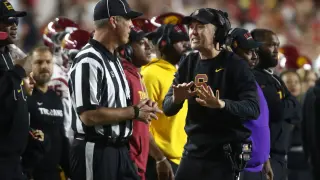
USC's 24-7 Loss to Wisconsin Intensifies Lincoln Riley Firing Debate
USC suffered a historic 24-7 defeat to Wisconsin, marking the worst performance in Lincoln Riley’s head-coaching career. The loss, characterized by negative rushing yards and two interceptions, has intensified calls for his dismissal, with analysts noting the program’s inability to compete against ranked opponents despite a $70 million buyout clause.
Source: USA Today
As the week progresses, the focus will remain on whether AI spending can sustain market growth, how courts will rule on AI training data, and whether local emergency systems can handle industrial risks. For now, the intersection of technology, law, and public safety remains a central theme in the news.