tldrdailynews.com logo
WorldU.S.BusinessTechnologyEntertainmentSports
  1. Home
  2. Science Astronomy
TrendingAllWorldU.S.BusinessTechnologyEntertainmentSportsScienceHealth

Science Astronomy News

The latest science astronomy stories, summarized by AI

Featured Science Astronomy Stories

Brighter Skies, Shorter Distances: The Night Sky of the First Life
science-astronomy18.08 min read

Brighter Skies, Shorter Distances: The Night Sky of the First Life

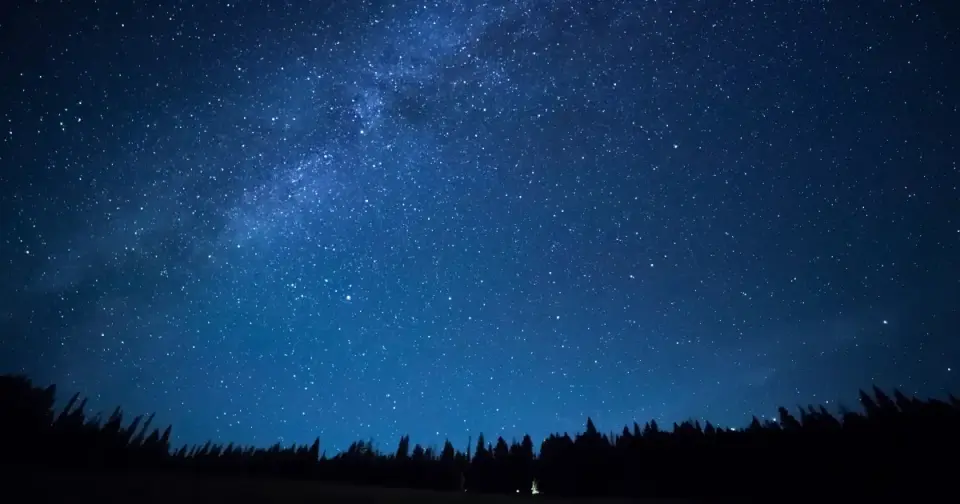
Imagine life arising 1–2 billion years after the Big Bang: the night sky would be busier and bluer, with denser star formation and brighter, closer nebulae in smaller, gas-rich galaxies. An observer 1 Gyr after the Big Bang would see about 5,000–8,000 stars at once and 10,000–15,000 over a full night; at 2 Gyr, roughly 15,000–30,000 at once and 30,000–60,000 over a night—like using binoculars instead of the naked eye. The cosmic microwave background would be hotter (11–18 K), and the universe would be smaller and denser, shortening distances to galaxies and making extragalactic observations easier but more foreground-laden. Dark matter would dominate and dark energy would be minor; whether intelligent life would arise remains uncertain, and no alien civilizations are detected today.

2 hours ago•Source: Big Think
View original source

More Science Astronomy Stories

No articles found.

Science Astronomy Stats

Articles1
Sources1
Time Saved17.465 min

Explore More

WorldU.S.BusinessTechnologyEntertainmentSports
All Categories

Save Articles

Sign in to save articles and create your personalized reading list.

Get Started
tl;drdaily news

AI-powered news summaries. Stay informed in seconds, not hours.

Categories

  • World
  • U.S.
  • Business
  • Technology
  • Entertainment
  • Sports

Legal

  • Privacy Policy
  • Terms of Service
  • Content Takedown

© 2026 tl;dr daily news. AI-generated summaries may not be perfect. Original articles are linked for full context.