
US New Car Prices Cross $50K as EV Costs Dip to Smallest Gap Yet
The average price for a new vehicle in the US surpassed $50,000 in August 2026, reaching $50,089, while the average electric vehicle (EV) price fell to $54,813. This marks the first time the industry average has exceeded the $50K threshold this year, yet the price gap between EVs and conventional vehicles has narrowed to its smallest level in over a year. Although overall car prices are rising due to fewer incentives and a shift toward larger vehicles, EV costs are declining relative to the broader market, with the premium over non-EV cars dropping to 9.4% from 16% a year ago.
Key points
- The average transaction price (ATP) for a new vehicle in the US reached $50,089 in August 2026, up 1.9% year-over-year and 0.5% from July.
- The average ATP for a new EV was $54,813 in August, down 1.2% from July and 2.7% year-over-year, marking a continued decline in EV costs.
- The price premium for EVs over the average new vehicle dropped to 9.4% in August, down from 16% a year earlier, with the dollar gap shrinking to approximately $4,700.
- Automaker incentives averaged 6.5% of the transaction price in August, down from 7.2% a year ago, while EV incentives averaged 12%, still nearly double the industry average.
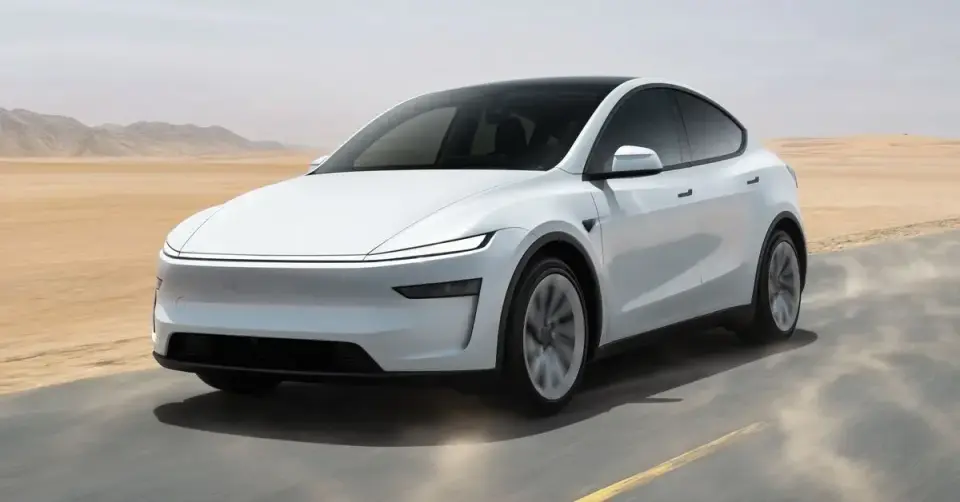
- Tesla’s average transaction price fell to $52,616 in August, down 2.4% from July, influencing the overall EV market average due to its large sales share.
Background
This development follows a trend of rising new-vehicle prices throughout 2026, with July’s average transaction price reaching $49,855. Earlier in the year, analysts noted that while inflation is a factor, the shift in consumer preference toward larger, more technologically advanced SUVs and trucks is a primary driver of higher average prices. Additionally, the cost of owning a car has been rising, with a recent study indicating that Americans spend an average of $5,851 annually on car ownership, with costs varying significantly by state. The current pricing environment also reflects a strategic shift by automakers to reduce incentives, holding back discounts until the end of the year to clear 2026 model inventory.
How outlets are covering it
Kelley Blue Book and Cox Automotive emphasize that the rise in average new-vehicle prices is driven by a mix of factors, including the arrival of 2027 models with higher sticker prices and a reduction in incentives. They note that while prices are rising, the growth rate is below long-term averages, and consumer migration toward lower-priced segments like subcompact SUVs is helping to moderate overall inflation. In contrast, Detroit Free Press and CarEdge analyst Ray Shefska argue that the price increase is a result of automakers deliberately cutting incentives and reducing inventory, suggesting that prices for 2027 models will likely be higher. Shefska advises consumers to wait until December for potential year-end deals. Motor1.com highlights that the rising average is partly due to consumers choosing larger, more expensive vehicles, noting that affordable options still exist but are less visible in the overall average. Electrek focuses on the narrowing gap between EV and conventional vehicle prices, attributing the decline in EV costs to Tesla’s pricing strategy and reduced incentives, despite the broader market trend of rising prices.
Why it matters
The crossing of the $50,000 threshold for the average new car signals a significant shift in the US automotive market, impacting consumer affordability and purchasing decisions. The narrowing gap between EV and conventional vehicle prices suggests that EVs are becoming more competitive in the market, potentially influencing future sales trends and consumer adoption. Additionally, the reduction in incentives and the strategic timing of price increases by automakers indicate a shift in market dynamics, with manufacturers prioritizing profit margins over volume. This trend may lead to higher prices for 2027 models and increased demand for used and certified pre-owned vehicles, as consumers seek more affordable options.
What to watch
Analysts expect that automakers will hold back incentives until November and December, aiming to clear 2026 model inventory before the end of the year. This strategy may result in a surge in discounts during the fourth quarter, potentially offering consumers better deals on 2026 models. Additionally, the arrival of 2027 models with higher sticker prices and more advanced features is expected to continue pushing average new-vehicle prices upward. Consumers are advised to consider waiting for year-end sales or exploring certified pre-owned vehicles to mitigate the impact of rising new-car prices. The trend of consumers gravitating toward lower-priced segments, such as subcompact SUVs, may continue to moderate overall price inflation, but the long-term impact on the market remains uncertain.
- EV prices are falling while the average new car tops $50K Electrek
- New car prices soared to the highest level yet this year Detroit Free Press
- Question of the Day: Does the Average Price Matter Anymore? thetruthaboutcars.com
- Why Cars Are Really Getting More Expensive Every Year Motor1.com
- Kelley Blue Book Report: New-Vehicle Prices Trend Higher in July as Incentives Decline and Sales Pace Slows Cox Automotive Inc.
Want the full story? Read the original reporting
Read on Electrek