
GM Confirms 2028 Launch of Low-Cost LMR Batteries at Tennessee Plant
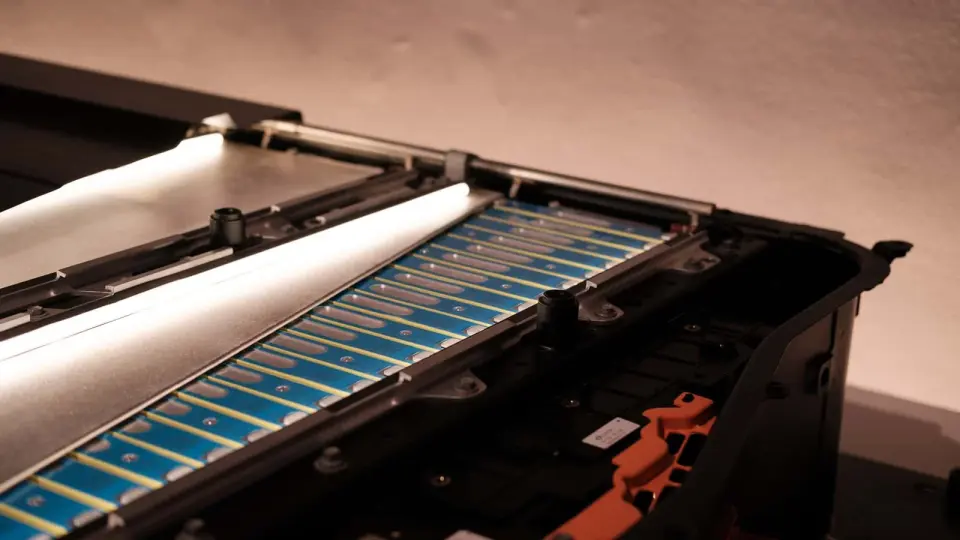
General Motors has confirmed that its next-generation lithium-manganese-rich (LMR) batteries will be mass-produced at the Ultium Cells joint venture facility in Spring Hill, Tennessee. Factory upgrades are scheduled to begin late this year and conclude by 2028, marking the first global mass production of prismatic LMR cells. These batteries, which offer 33% more range than lithium-iron-phosphate (LFP) alternatives at similar costs, are designed for full-size electric trucks and SUVs. GM expects to deploy these cells in vehicles by 2028, aiming to balance affordability with performance while reducing reliance on expensive cobalt and nickel.
Key points
- GM will mass-produce LMR batteries at the Ultium Cells plant in Spring Hill, Tennessee, starting in 2028.
- Factory upgrades for LMR production will begin in late 2026 and be completed by 2028.
- LMR batteries offer 33% more range than LFP batteries at a comparable cost.
- The new cells will primarily equip GM’s full-size electric trucks and SUVs.
- GM plans to invest a combined $2 billion in LFP and LMR technologies by 2030.
Background
GM previously announced LMR development in May 2025, positioning it as a cost-effective alternative to high-nickel batteries. The company has also integrated recycled battery materials into current models like the Cadillac Lyriq and Chevrolet Silverado EV, aiming to reduce reliance on virgin mineral extraction. This move follows a period where GM scaled back some EV plans after the elimination of federal tax credits, but it continues to invest in battery innovation to maintain competitiveness.
How outlets are covering it
InsideEVs highlights the technical specifics, noting that LMR batteries use less cobalt and nickel than traditional NMC cells, making them cheaper to mine and process. They emphasize that LMR will sit between high-range NMC and low-cost LFP options in GM’s lineup. CleanTechnica frames the announcement as a strategic counter to Chinese dominance in low-cost LFP batteries, suggesting GM is betting on a future recovery in the US EV market despite current federal policy shifts. CleanTechnica also notes that GM is competing with Ford, which is also investing in LMR research, and questions whether Tesla will adopt similar technologies. Both outlets agree that the Spring Hill facility will be the first in the world to mass-produce prismatic LMR cells.
Why it matters
The shift to LMR batteries could significantly lower the cost of large electric vehicles, potentially making them more competitive with internal combustion engines. By reducing dependence on expensive and ethically problematic materials like cobalt, GM aims to secure a more stable supply chain. This move also signals that major US automakers are continuing to innovate in battery technology despite a challenging regulatory environment, aiming to maintain global competitiveness against Chinese manufacturers.
What to watch
GM is expected to begin pre-production at an LG Energy Solution facility by late 2027, with commercial production starting in 2028. The company will likely introduce LMR-equipped vehicles in its full-size truck and SUV lineup during this period. Investors and industry observers will watch to see if these batteries can successfully bridge the gap between affordability and range, and whether other automakers like Tesla or Ford will follow suit with similar chemistries.
- General Motors Just Took A Big Step Towards Its Next-Gen EV Battery InsideEVs
- GM, LG to make lower-cost EV battery cells in Tennessee Reuters
- Spring Hill GM plant to receive $1B expansion WKRN News 2
- GM Really Wasn’t Kidding About Those New LMR EV Batteries CleanTechnica
- Ultium Cells' Spring Hill plant gets $1B boost to produce new type of battery The Business Journals
Want the full story? Read the original reporting
Read on InsideEVs