
Polestar unveils Formula 2030 concept to preview future design despite US sales ban
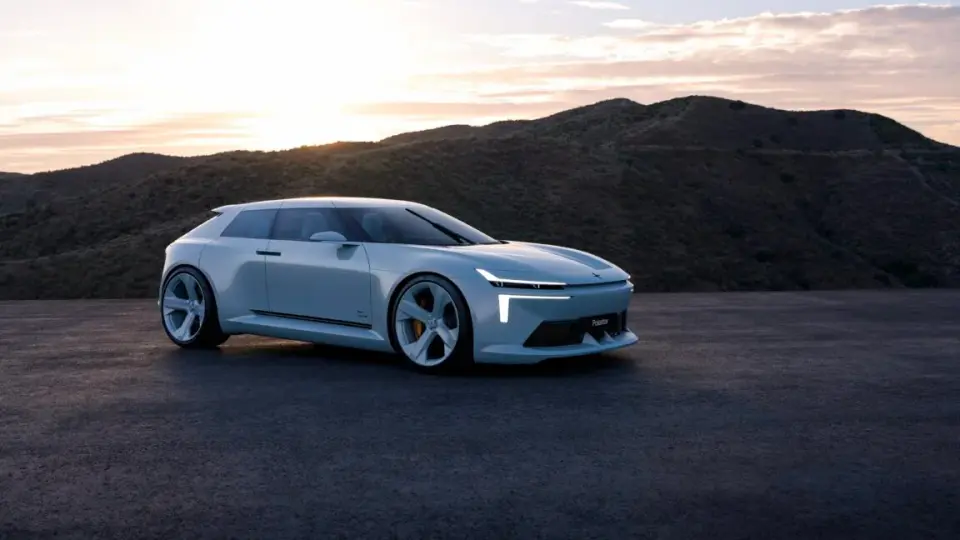
Polestar has revealed the Formula 2030 concept, a low-slung electric vehicle designed to preview the styling of its upcoming Polestar 2 and Polestar 7 models. The car features minimalist interiors with physical controls, inflatable seats, and sustainable materials. Although the concept is not intended for production, its design elements will appear on future vehicles. However, Americans cannot purchase these upcoming models due to a US ban on Chinese-owned automakers, which takes effect in 2027.
Key points
- The Formula 2030 is a four-door concept measuring 184 inches in length, positioned between the current Polestar 2 and the future Polestar 7.
- Design elements such as Dual Blade headlights and Single Blade rear lights will transfer to production models, with the next Polestar 2 arriving in 2027 and the Polestar 7 in 2028.
- The interior includes a 20-inch curved driver display, a 12.2-inch center screen, and customizable physical controls like rocker switches and dials.
- Sustainability features include bComp flax-based carbon fiber seat backs, low-emission steel, and fully recyclable door interiors.
- Polestar is banned from selling new vehicles in the US starting in 2027 under the Connected Vehicle Rule, as it is majority-owned by Chinese company Geely.
Background
Polestar, a Swedish electric vehicle brand spun out of Volvo and now majority-owned by Chinese conglomerate Geely, has faced significant regulatory hurdles in the United States. The brand was previously known for its minimalist design and performance-oriented electric vehicles. The recent US ban stems from the Connected Vehicle Rule, which restricts the sale of vehicles with software or hardware from China or Russia unless specific authorization is granted. Polestar has not received this authorization, unlike its parent company Volvo, which has been granted an exception. This ban has effectively removed Polestar from the US market, leaving American consumers unable to purchase its upcoming models despite the brand's continued global expansion and innovation.
How outlets are covering it
Ars Technica emphasizes the visual lineage of the Formula 2030, comparing its shape to the Saab Aero-X concept and noting that the nose previews the next Polestar 2. The outlet highlights the brand's minimalist aesthetic and the inclusion of physical controls as a departure from pure digital interfaces. Car and Driver focuses on the tactile driving experience, detailing the inflatable seat bolsters and the customizable center console controls. It also notes the 'UFO-esque' rear design and the use of a single windshield wiper. Engadget underscores the irony of the concept's appeal to US consumers who cannot purchase it due to the Geely ownership ban, while highlighting the pop-up LiDAR sensor and the use of Google Gemini for voice control. Road & Track frames the concept as a blueprint for Scandinavian design, quoting head of design Philipp Römers on the brand's philosophy of removing unnecessary elements. It notes the car's dimensions and the use of a steering yoke, emphasizing the performance-oriented stance and the new 'Nitrogen' exterior color.
Why it matters
The Formula 2030 concept signals Polestar's future design direction and technological priorities, including a return to physical controls and a focus on sustainability. However, its relevance to US consumers is limited by the ongoing ban on Chinese-owned automakers. The concept serves as a marketing tool to maintain brand interest in the US market, even as the company navigates regulatory restrictions that prevent it from selling new vehicles there. The ban highlights the geopolitical tensions surrounding Chinese-owned companies in the US automotive sector and the impact of the Connected Vehicle Rule on global automakers.
What to watch
Polestar plans to introduce the next-generation Polestar 2 in early 2027 and the Polestar 7 in 2028, both of which will incorporate design elements from the Formula 2030 concept. The company will continue to develop autonomous driving technology, as evidenced by the pop-up LiDAR sensor in the concept. In the US, the ban on Polestar sales will take effect in 2027, unless the company secures authorization from the Bureau of Industry and Security. The brand will likely focus on markets outside the US where it can sell its upcoming models without regulatory restrictions.
- Polestar has a new look with its Formula 2030 concept Ars Technica
- Polestar’s Formula 2030 Concept Car Blends Tactile Controls with Futuristic Tech Car and Driver
- Polestar Is Banned In The US, But We Still Want Its Latest Concept Car Engadget
- Polestar previews new design for key EV launches as it seeks sales boost Automotive News
- The Polestar Formula 2030 Is a Futuristic Blueprint for Scandinavian Design, As Well As a Sexy Wagon Road & Track
Want the full story? Read the original reporting
Read on Ars Technica